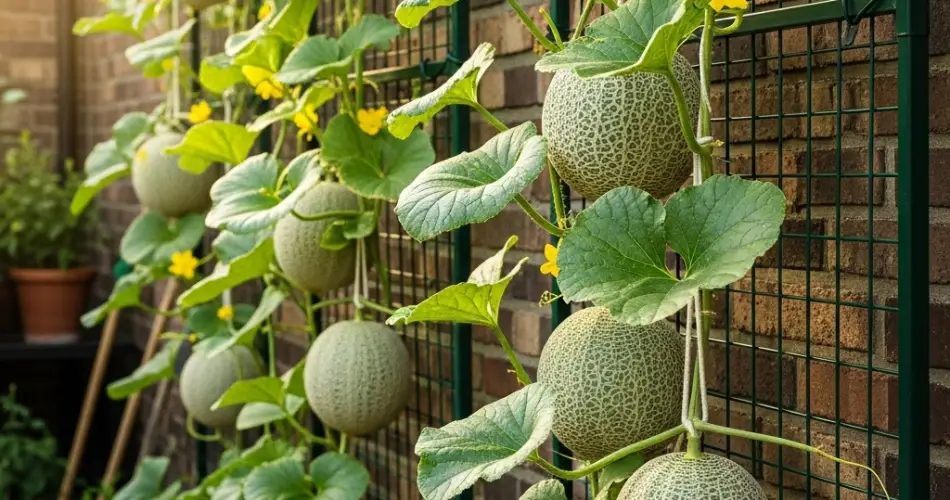
Melons are among the most rewarding crops to grow, offering juicy sweetness and refreshing flavor during warm seasons. However, their sprawling vines often pose a challenge for gardeners, especially those working with limited space. Traditional melon plants can spread across large garden beds, competing with other crops and making fruit more vulnerable to pests and rot. A creative solution to this challenge is vertical wall gardening with trellises. Training melon vines up sturdy wall-mounted structures not only saves ground space but also improves fruit quality and simplifies maintenance.
Why Grow Melons Vertically?
Melons are natural sprawlers, and when left on the ground, their fruits often rest on damp soil. This increases the risk of rot, pest damage, and uneven ripening. Growing melons vertically on trellises attached to walls or fences helps overcome these issues. Vertical growth improves airflow, which reduces fungal problems such as powdery mildew. It also allows sunlight to reach all parts of the plant, supporting healthier vines and sweeter fruit.
For urban gardeners with balconies, patios, or small yards, wall trellises make it possible to grow melons even in tight spaces. Instead of taking over valuable soil areas, the vines climb upward, turning bare walls into productive, green, and visually appealing features.
The Benefits of Wall-Mounted Melon Trellises
Wall trellises offer unique advantages for growing melons compared to free-standing supports:
-
Space efficiency: Vertical systems free up ground space for other crops or flowers.
-
Cleaner fruit: By suspending melons off the soil, fruits stay blemish-free and less prone to rot.
-
Stronger plants: Vines climbing a trellis receive more sunlight and airflow, which improves growth and reduces disease.
-
Ease of harvest: Hanging fruits are more visible and accessible for picking.
-
Aesthetic value: A wall covered with climbing melon vines adds lush greenery and natural beauty to the garden.
Choosing the Right Trellis for Walls
When planning vertical wall gardening with melons, it’s important to choose trellises strong enough to support vigorous vines and developing fruits. Suitable options include:
-
Wooden lattice panels: Attractive and rustic, ideal for attaching to fences or wooden walls.
-
Metal mesh or wire grids: Strong and long-lasting, perfect for heavy melon varieties.
-
Sturdy string systems: Practical for lighter melons but may require reinforcement for larger fruits.
-
Expandable trellises: Adjustable wooden or plastic designs that can fit different wall sizes.
For heavy-fruited varieties such as cantaloupe or small watermelons, metal or wooden trellises are the most reliable choice.
Installing Wall Trellises
To set up a wall trellis for melons, follow these steps:
-
Select a sunny wall: Melons need at least 6–8 hours of direct sunlight per day.
-
Attach securely: Fix trellises to the wall with strong screws, hooks, or brackets. Ensure the structure can handle the weight of the vines and fruits.
-
Leave soil space at the base: Allow room at the wall’s base for planting seeds or seedlings, ensuring good soil drainage.
-
Plan for support slings: As fruits develop, be prepared to use fabric or netting slings tied to the trellis to hold heavier melons.
Planting and Training Melons
Plant melon seeds or seedlings directly at the base of the wall trellis, spacing them about 2–3 feet apart. Enrich the soil with compost or well-rotted manure before planting, as melons are heavy feeders. Once vines start growing, gently guide them toward the trellis and secure them with soft ties until their tendrils take over.
As the plants climb, train the vines evenly across the wall, spreading them out to maximize light exposure. This fan-like arrangement keeps growth neat and encourages even fruit development.
Caring for Vertical Melon Plants
Wall-grown melons require regular care to thrive:
-
Watering: Provide deep, consistent watering at the soil base to support vigorous growth. Avoid wetting the foliage to reduce fungal problems.
-
Mulching: Apply straw or compost mulch around the base to conserve moisture and regulate soil temperature.
-
Fertilizing: Use organic fertilizers like compost tea or seaweed extract every few weeks to fuel fruit development.
-
Pruning: Remove excess leaves or side shoots to direct energy toward fruiting vines and to prevent overcrowding on the trellis.
-
Supporting fruits: As melons enlarge, use fabric slings, old T-shirts, or mesh bags to cradle the fruit and prevent them from pulling off the vines.
Harvesting from a Wall Trellis
Harvesting melons from a wall trellis is simpler and more efficient than gathering them from sprawling ground vines. Fruits hang at eye level, making it easy to check ripeness and pick them at the perfect time. For cantaloupes, look for a fragrant aroma and the fruit slipping easily from the stem. Watermelons are ready when their undersides turn creamy yellow and the tendril nearest the stem dries out.
Final Thoughts
Vertical wall gardening with melon trellises is a smart way to make the most of limited garden space while improving fruit quality and garden aesthetics. By training melons upward, you reduce disease, protect fruits from rot, and simplify harvesting. Whether you build a wooden lattice, install metal mesh, or design a pergola-style feature, a wall trellis turns unused vertical space into a thriving melon patch.
With careful planning, regular care, and a little creativity, you can enjoy bountiful harvests of sweet, healthy melons while transforming plain garden walls into productive and beautiful living structures.