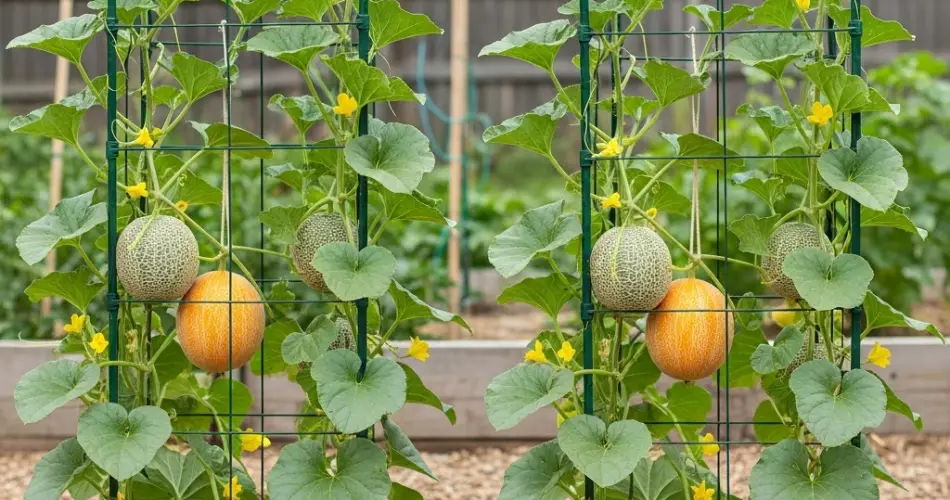
Melons are a prized addition to home gardens, celebrated for their sweet, juicy fruit and refreshing flavor. However, growing large melon varieties presents unique challenges. The fruits can become quite heavy as they mature, putting significant stress on the vines and potentially causing breakage if not properly supported. Heavy-duty metal supports are an ideal solution for cultivating large melons, providing stability, promoting healthy growth, and maximizing yield in both garden beds and container setups.
Why Use Metal Supports for Melons?
Melons are trailing plants that naturally sprawl across the ground. While this traditional growth habit works well in large garden plots, it exposes fruits to pests, soil-borne diseases, and rot. Ground contact can lead to uneven ripening and bruising of fruits, reducing quality and flavor. Metal supports allow melons to grow vertically, elevating fruits off the soil and reducing the risk of damage. This not only keeps the fruit cleaner and healthier but also improves air circulation and sunlight exposure, supporting stronger vine growth and more productive plants.
Choosing the Right Metal Supports
When growing large melons, the strength and durability of your support structure are critical. Heavy-duty metal supports such as steel trellises, cages, arches, or A-frame structures are ideal, as they can bear the weight of fully mature fruits without bending or collapsing. Galvanized steel or powder-coated metal is recommended because it resists rust and corrosion, ensuring long-term use. The support should be tall and sturdy enough to accommodate vertical growth while allowing sufficient room for the large fruits to hang freely. For even better results, integrate netting or slings to cradle individual melons, preventing them from pulling down the vine.
Installing Metal Supports
Proper installation is essential for ensuring stability and safety. For garden beds, anchor the metal supports securely into the soil using stakes or brackets. In container gardening, place supports in large, deep planters and stabilize them using soil or additional anchoring techniques. Make sure the supports are positioned in a sunny location, as melons require at least six to eight hours of sunlight daily for optimal growth. Correct installation prevents tipping or bending as the melon vines and fruits grow heavier.
Planting Melons for Vertical Growth
Melons thrive in nutrient-rich, well-draining soil. Add compost or organic fertilizer to provide essential nutrients for vigorous growth and fruit development. Plant melon seeds or seedlings near the base of the metal support, spacing them according to the variety’s growth habit. As the plants grow, guide vines gently toward the support, helping them climb and secure themselves naturally. Use soft ties, fabric strips, or twine to attach vines loosely to the metal frame, ensuring they are supported without being damaged.
Watering and Fertilization
Consistent watering is crucial for melon growth, particularly during flowering and fruiting stages. Keep the soil evenly moist but avoid overwatering, which can lead to root rot. Mulching helps retain soil moisture, suppress weeds, and maintain stable soil temperature. Fertilize regularly with a balanced liquid fertilizer or organic alternatives such as compost tea or fish emulsion to encourage strong vine growth and large, healthy fruits. Vertical growth on metal supports allows leaves and fruit to receive optimal sunlight, enhancing photosynthesis and overall plant health.
Pruning and Maintenance
Pruning is beneficial for melon plants grown vertically. Remove yellowing or damaged leaves, and trim excess lateral shoots that crowd the support. Regularly check vines for proper attachment and adjust ties as necessary to prevent damage or vine breakage. Metal supports also reduce soil contact, lowering the risk of fungal diseases and keeping fruits clean. For very large melons, use individual slings or netting to cradle the fruit, preventing it from pulling down the vine and ensuring even ripening.
Pest and Disease Management
Melons can be affected by pests such as aphids, cucumber beetles, and squash bugs. Regular inspection and prompt treatment with organic solutions like neem oil or insecticidal soap help manage infestations. Elevated growth reduces soil-borne fungal infections, and improved air circulation prevents powdery mildew and other common melon diseases. Proper maintenance, spacing, and support ensure healthy, productive plants.
Harvesting Melons from Metal Supports
Harvesting vertically grown melons is straightforward and efficient. Fruits are visible, accessible, and free from soil damage. Pick melons when they are fully ripe, based on color, aroma, and softness at the blossom end. Regular harvesting encourages continued vine productivity and reduces the risk of fruit splitting or over-ripening. Heavy-duty metal supports ensure even large fruits remain securely suspended until harvest, preventing damage to both fruit and plant.
Aesthetic and Functional Benefits
Metal supports are not only functional but also add a structural, organized look to your garden. Vertical melon plants create a lush, green feature that maximizes garden space and provides a visually appealing growing area. Durable metal frames can be reused for multiple seasons, making them a sustainable and long-term investment for serious gardeners.
Conclusion
Heavy-duty metal supports are essential for growing large melon varieties successfully. They provide stability for heavy fruits, improve air circulation, reduce disease risk, and simplify harvesting, all while allowing vines to grow vertically and efficiently. By selecting sturdy, durable supports, installing them securely, guiding vines carefully, and providing proper care, gardeners can enjoy abundant, high-quality melon harvests. Vertical growth with metal frames transforms melon cultivation into a productive, organized, and visually appealing process, making it ideal for home gardens of all sizes.


