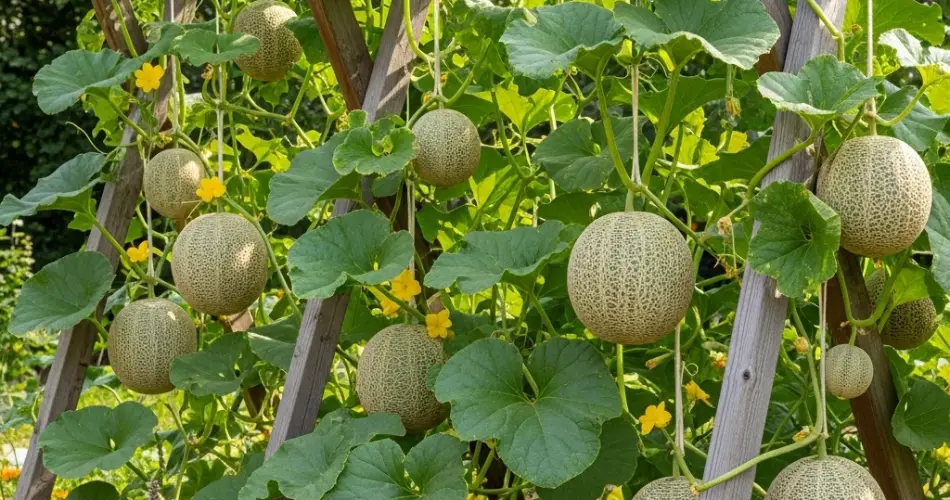
Melons are a summertime favorite, prized for their sweetness, refreshing flavor, and juicy flesh. Whether it’s cantaloupe, honeydew, or even smaller watermelon varieties, growing melons in the home garden is deeply rewarding. However, these sprawling vines can quickly dominate garden beds, spreading several feet in all directions. Without proper management, they often take up more space than many gardeners can spare. The good news is that wooden frames offer a practical, attractive, and efficient solution. By training melons upward on sturdy wooden structures, you can boost production, improve fruit quality, and save valuable ground space.
Why Melons Benefit from Frames
Melons naturally trail across the ground, which exposes their fruit to pests, soil moisture, and uneven ripening. As the vines spread, they can smother neighboring crops and make harvesting more difficult. Growing melons on wooden frames addresses these challenges. Vertical growth allows more sunlight and air to reach the vines, reducing disease risks like powdery mildew. Fruits stay cleaner and healthier because they’re lifted off the soil. Plus, vertical systems make it easier for gardeners to monitor plant health and harvest ripe melons promptly.
The Advantages of Wooden Frames
Wooden frames are one of the best options for melon support because they combine functionality with natural beauty. Here are several reasons why they work so well:
-
Sturdiness: Wood can be cut and built into solid structures capable of supporting vigorous vines and medium-sized fruits.
-
Eco-friendly material: Untreated, sustainably sourced wood aligns well with organic gardening practices and decomposes naturally at the end of its lifespan.
-
Customizable: Wooden frames can be built to any size, making them ideal for raised beds, small plots, or larger gardens.
-
Affordable and accessible: Most gardeners can source wood from local hardware stores, repurpose pallets, or recycle old lumber.
-
Aesthetic appeal: A wooden frame adds rustic charm to a garden, blending seamlessly with natural surroundings.
Types of Wooden Frames for Melons
There are several effective wooden frame designs that help maximize melon production:
-
A-frame trellises: Two wooden panels joined at the top to form a triangle. Melons climb each side, and fruits can hang between the frames for easier support.
-
Vertical panel frames: A simple upright frame with a wooden grid or lattice, perfect for small gardens or narrow spaces.
-
Raised bed attachments: Frames attached directly to raised garden boxes, allowing vines to climb vertically from limited soil areas.
-
Pergola-style structures: Larger wooden frames that create shaded walkways while supporting climbing melon vines overhead.
Each design can be tailored to fit your garden space and the variety of melons you want to grow.
Building a Wooden Frame
Constructing a wooden frame for melons is a manageable DIY project. Here’s a simple method for creating a sturdy A-frame trellis:
-
Select your wood: Use untreated cedar, pine, or redwood, as they resist rot better than other types.
-
Cut your boards: Cut four long boards (6–8 feet) for the sides and additional shorter boards for cross supports.
-
Assemble the frame: Create two rectangular panels, each with crossbars or lattice strips for vines to grab onto.
-
Join at the top: Connect the two panels with hinges or screws at the top to form a triangle.
-
Anchor in the soil: Drive stakes into the ground at the base of each panel or attach the frame securely to raised beds.
Once built, the frame can be reused for several growing seasons.
Training Melons on Frames
Plant melon seeds or seedlings at the base of the wooden frame, leaving about 2–3 feet between plants. As vines grow, gently weave them into the lattice or tie them loosely with garden twine. Melons naturally send out tendrils that grip the structure, but occasional guidance keeps growth tidy and upward.
For heavier fruits, provide extra support using slings made from fabric, mesh, or old T-shirts. These cradles tie onto the frame and hold the developing melons, preventing them from straining or snapping off the vines.
Caring for Trellised Melons
Vertical melon gardening requires consistent but simple care. Water deeply at the base of the plants to promote strong root systems, and mulch the soil to retain moisture. Since melons are heavy feeders, apply compost or organic fertilizer throughout the growing season. Prune away excess foliage to direct energy toward fruit production and to keep the vines manageable on the frame.
Keep an eye out for common pests such as aphids, cucumber beetles, or squash bugs. Companion planting with flowers like marigolds or herbs like basil can help deter pests naturally while enhancing pollination.
Harvesting from Wooden Frames
Harvesting melons grown on frames is much easier than searching through sprawling vines. Fruits are suspended at eye level, making them easy to spot. Pick melons when they emit a sweet aroma, have a slight softness at the blossom end, or slip easily from the vine with a gentle tug. Since they’re not resting on damp soil, fruits often have fewer blemishes and better flavor.
Final Thoughts
Wooden frames are a simple yet powerful tool for boosting melon production. By lifting vines off the ground, they save space, reduce disease risks, and improve fruit quality. At the same time, they enhance garden design with their rustic appeal. Whether you build an A-frame, lattice panel, or pergola-style structure, wooden frames bring efficiency and beauty to melon gardening.
With thoughtful construction, proper care, and a little creativity, your melon patch can transform into a vertical oasis that delivers sweeter, healthier harvests all season long.


