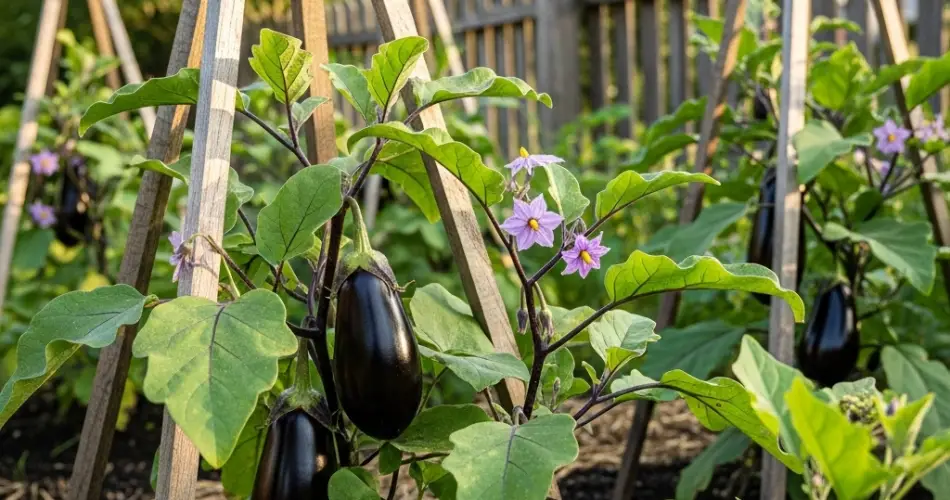
Eggplants, with their glossy fruits and sprawling foliage, are a rewarding addition to any garden. However, these plants can become heavy and top-heavy as fruits mature, making them prone to bending, breaking, or even falling over. Supporting eggplants is essential for maintaining healthy growth, reducing disease risk, and ensuring a plentiful harvest. One of the most effective and visually appealing methods is the use of wooden A-frames.
Understanding the Need for Support
Eggplants are naturally bushy plants that can reach two to four feet in height. Their stems, while sturdy at the base, often struggle to hold the weight of multiple fruits. Without support, branches may droop, leaves can become damaged, and fruits might rest on the soil, increasing the likelihood of rot or pest infestation. Using a support system not only protects the plant but also improves air circulation, sunlight exposure, and overall garden aesthetics.
Why Choose Wooden A-Frames?
Wooden A-frames are a popular choice for several reasons. First, they are sturdy and can bear the weight of fully grown eggplants. Unlike thin stakes or cages, the triangular structure distributes weight evenly, reducing stress on individual branches. Second, wood is durable and can withstand varying weather conditions while remaining gentle on the plants, preventing cuts or abrasions. Finally, wooden A-frames are easy to customize for different garden sizes and plant arrangements, making them ideal for both small backyard gardens and larger vegetable plots.
Constructing a Wooden A-Frame
Creating a wooden A-frame is straightforward and requires minimal tools. Begin by selecting untreated, rot-resistant wood, such as cedar or pine. The frame generally consists of two slanted legs that meet at the top to form a peak, with crossbars to stabilize the structure.
-
Cutting the Wood: For a standard eggplant bush, legs of approximately four to five feet work well. Cut two sets of legs for each frame and two crossbars for added support.
-
Assembling the Frame: Position the legs in an A-shape and secure them at the top using screws or nails. Attach the crossbars horizontally, one near the top and another halfway down. These bars provide places to tie or rest the plant stems as they grow.
-
Positioning the Frame: Place the A-frame directly over the eggplant plant, ensuring the base legs are slightly spread to accommodate growth. The frame should stand firmly in the soil but not compress the roots.
Training Eggplant Branches
Once the A-frame is in place, training the eggplant branches is key to maximizing support. Gently tie the main stems and heavy fruit-bearing branches to the crossbars using soft garden twine or plant ties. Avoid tight knots that can constrict growth. As the plant grows, continue to tie new stems to the frame, adjusting ties as needed. This method guides the plant upward, preventing sprawling and reducing the risk of broken stems.
Benefits Beyond Support
In addition to keeping eggplants upright, wooden A-frames offer several other benefits. By elevating fruits off the ground, they reduce the risk of fungal infections and soil-borne diseases. Improved air circulation around the leaves can minimize pest infestations and encourage stronger, healthier growth. Moreover, the vertical orientation of the plant makes harvesting easier, as fruits are more visible and accessible.
Maintenance and Longevity
Wooden A-frames are low-maintenance structures, but some care ensures their longevity. Check the frame periodically for signs of wear or loosened screws, particularly after storms or heavy winds. Untreated wood may eventually weather, so applying a natural, plant-safe sealant can extend its life. At the end of the season, the frame can be disassembled and stored for reuse the following year.
Tips for Success
-
Spacing: Position A-frames at least two to three feet apart to give each plant enough room to grow.
-
Tie Loosely: Ensure plant ties allow for stem growth to prevent girdling.
-
Monitor Growth: Adjust ties regularly as the plant grows to maintain proper support.
-
Combine with Mulch: Mulching around the base helps retain moisture and reduces soil splashing onto leaves and fruits.
Conclusion
Wooden A-frames are a simple, effective, and sustainable way to support eggplant bushes. They prevent damage, improve plant health, and make harvesting more convenient. Whether you are an urban gardener with limited space or cultivating a larger vegetable plot, A-frames provide a practical solution for ensuring your eggplants grow strong, healthy, and productive. With minimal effort and a bit of DIY spirit, these structures can transform your garden into a more organized, efficient, and visually appealing space.


