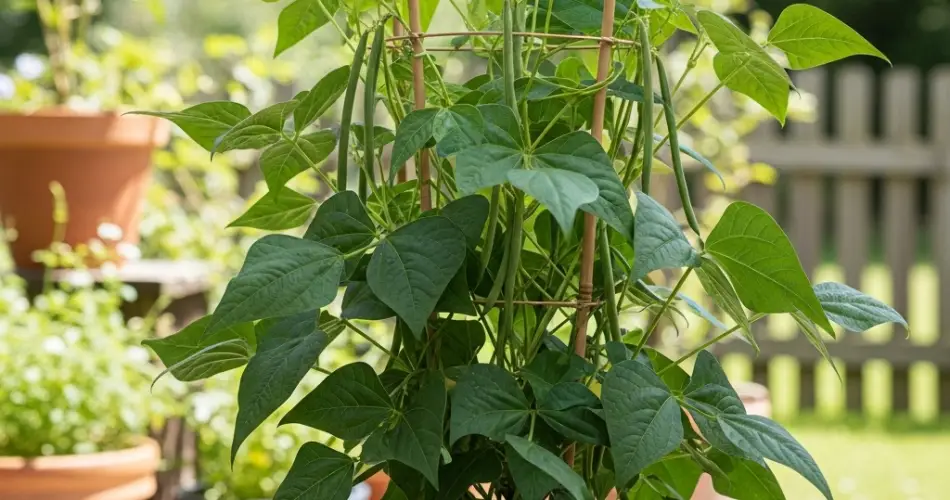
Container gardening has opened the door for many home growers who lack access to a traditional garden plot. Among the many vegetables suitable for container growing, green beans are a favorite choice because they are productive, quick to mature, and deliciously versatile in the kitchen. However, one important element often overlooked when growing beans in pots or buckets is vertical support.
Green beans—especially pole varieties—thrive when given proper climbing structures. Providing vertical support not only keeps plants healthy but also maximizes yields in small spaces. In this guide, we’ll explore why vertical support is essential, the types of structures you can use, and how to set them up effectively for thriving green bean plants in containers.
Why Do Green Beans Need Vertical Support?
Green beans come in two main types:
-
Bush beans – Compact plants that grow about 1–2 feet tall and typically don’t require support.
-
Pole beans – Vining plants that can reach 6–10 feet or more, making support structures essential.
For container gardening, bush beans are easier, but many gardeners prefer pole beans because they produce beans continuously over a longer period. Without a structure to climb, pole beans tangle into a messy heap, which restricts air circulation, encourages pests, and makes harvesting difficult.
Providing vertical support offers several benefits:
-
Better air circulation reduces the risk of fungal diseases.
-
Efficient use of space allows you to grow more in a smaller footprint.
-
Easier harvesting since pods are easier to spot and pick.
-
Healthier plants that receive more sunlight on their leaves.
Choosing the Right Container for Supported Beans
Before planning vertical supports, start with the right container. A 5-gallon bucket or larger pot works best for green beans. Ensure it has drainage holes to prevent waterlogging. Larger containers allow enough space for root development and give stability to support structures, especially tall trellises or poles.
If you’re planning to grow pole beans, you’ll need to secure supports firmly so they don’t topple over once vines and pods become heavy.
Types of Vertical Supports for Container-Grown Beans
When it comes to vertical gardening, you have multiple options depending on your space, budget, and style preference. Here are the most effective types:
1. Bamboo Teepees
One of the most popular and inexpensive support systems is the bamboo teepee. To make one:
-
Insert three or four bamboo poles into the soil around the edges of the bucket.
-
Gather and tie them together at the top with twine or garden wire.
-
Plant bean seeds around the base of each pole.
As the beans grow, they will naturally wind around the poles, creating a neat, productive tower of greenery.
2. Single Stakes
If you have limited space or are growing fewer plants, a single tall stake per plant works well. Use sturdy wooden stakes, bamboo sticks, or even repurposed metal rods. Push them deep into the soil to provide stability. As vines grow, gently guide them around the stake and secure with soft ties if needed.
3. Wire Cages
Tomato cages or custom-made wire cages also work for supporting beans. These cylindrical structures allow beans to climb in multiple directions while keeping the vines contained. For buckets, choose smaller cages that won’t overwhelm the container.
4. String Trellises
If your containers are placed near a wall, railing, or balcony, consider a string trellis system. Tie strings vertically from a top bar (like a railing or a piece of wood) down to the soil in the bucket. Beans will naturally climb the strings, creating a vertical “curtain” of vines and pods.
5. Ladders or A-Frames
For a creative and sturdy option, build a small A-frame trellis from wooden slats or use an old step ladder. Place the container at the base and guide the vines to climb the angled structure. This design works especially well for maximizing sunlight exposure.
How to Train Beans to Climb
Beans naturally twine around supports, but a little guidance ensures they start climbing correctly. Once vines reach a few inches tall, gently wrap them around stakes, poles, or strings. Avoid forcing them, as stems can be delicate.
Regularly check the growth and redirect any stray vines back onto the support system. With consistent guidance, the plants will soon cover the structure on their own.
Watering and Feeding Supported Beans
Because container-grown beans are more exposed, they require more frequent watering. Check soil daily and water when the top inch feels dry. Buckets can dry out quickly in hot weather, especially with vigorous plants climbing tall supports.
For feeding, beans don’t require heavy fertilization since they fix nitrogen naturally. However, a light application of balanced fertilizer or compost tea every few weeks can promote healthy pod production. Avoid over-fertilizing, which can cause excessive leafy growth at the expense of beans.
Harvesting from Vertical Supports
Vertical support makes harvesting easier and more enjoyable. Beans hang neatly from vines, making them easy to spot and pick. Harvest when pods are firm but tender, typically when they reach 4–6 inches long, depending on the variety.
Frequent picking encourages plants to produce more, so check your vines every couple of days during peak season.
Conclusion
Providing vertical support for green beans in containers is the key to healthier plants, better yields, and efficient space use. Whether you choose bamboo teepees, string trellises, or simple stakes, these supports keep vines organized and productive.
Container gardening may limit ground space, but with vertical growing, you can turn a single bucket into a tower of green beans. By pairing the right container, soil, and support structure, you’ll enjoy a steady harvest of crisp, homegrown beans—even in the smallest of urban spaces.


