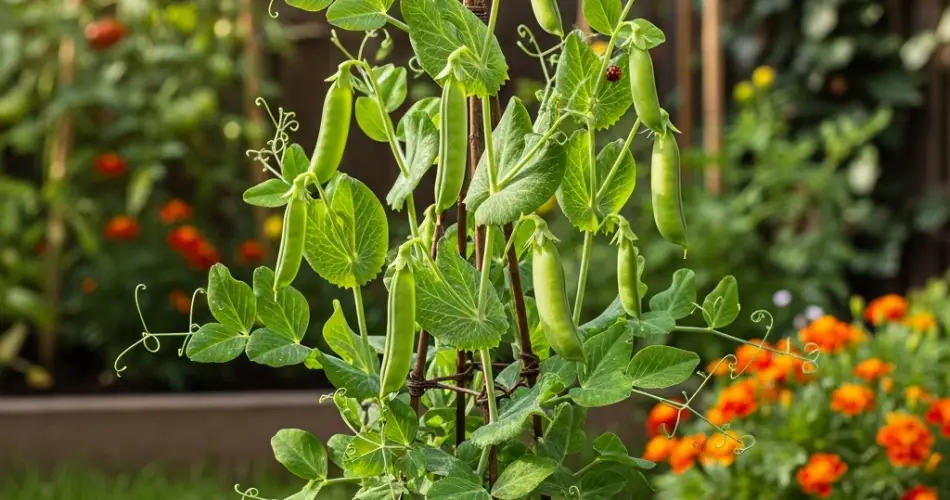
Fresh peas are a delight in any kitchen, offering a sweet taste and crisp texture that store-bought varieties often lack. The good news is that you don’t need a large backyard or expansive garden bed to enjoy them. Peas are surprisingly easy to grow in containers, making bucket gardening a practical solution for anyone with limited space. With just a few simple steps, you can enjoy a lush green display and harvest tender pods right from your balcony or patio.
Why Grow Peas in Buckets?
Growing peas in buckets comes with many advantages for urban or small-space gardeners:
-
Space-efficient: A single bucket can support several pea plants, making it perfect for compact balconies.
-
Portable: Buckets can be moved to follow sunlight or sheltered from heavy rains.
-
Early harvest: Peas thrive in cooler weather, allowing you to enjoy fresh vegetables earlier in the season.
-
Decorative and productive: Climbing pea vines add charm to a balcony while providing food.
Whether you want to snack on fresh peas or use them in soups, stir-fries, or salads, container growing ensures a steady supply within arm’s reach.
Choosing the Right Bucket and Variety
Bucket Selection
Peas need room for their roots to spread. A 5-gallon bucket is ideal because it provides both depth and width. Make sure to:
-
Drill 6–8 drainage holes at the bottom.
-
Place the bucket on a tray or saucer to catch excess water.
-
Choose light-colored buckets to prevent overheating in warmer climates.
Best Pea Varieties for Containers
While most peas adapt well to buckets, some varieties perform especially well:
-
Dwarf or bush peas: Compact and require little support.
-
Climbing peas: Need trellises or supports but provide higher yields.
-
Sugar snap peas: Crisp, edible pods that are perfect for balcony snacking.
-
Snow peas: Flat pods ideal for stir-frying.
Selecting a variety depends on your preference for flavor, space, and support structures.
Preparing the Soil
Peas prefer fertile, well-draining soil that retains some moisture. For best results, prepare a light mix:
-
40% potting soil for structure.
-
40% compost for nutrients.
-
20% perlite or coarse sand for aeration and drainage.
Avoid heavy garden soil, which can compact in buckets and restrict root growth.
Planting Peas in Buckets
-
Fill the bucket with your prepared soil mix, leaving about two inches from the rim.
-
Sow directly—peas dislike transplanting. Place seeds 1 inch deep.
-
Spacing: Sow 6–8 seeds evenly in a 5-gallon bucket for bush peas. For climbing peas, sow 4–5 seeds near the center where a trellis will be installed.
-
Water gently until the soil is evenly moist but not soggy.
Seeds usually germinate within 7–14 days, depending on temperature.
Supporting Pea Plants
Climbing peas require vertical support, which also helps maximize balcony space. Options include:
-
A bamboo teepee inside the bucket.
-
A mesh or netting attached to a wall or railing.
-
A simple stake-and-string setup.
Bush peas generally need minimal support, but a small stake or cage prevents them from toppling as pods mature.
Sunlight and Watering Needs
Peas thrive in cool weather with moderate sun exposure.
-
Sunlight: Place buckets where they receive 5–6 hours of sunlight daily. Morning sun is best, as intense afternoon heat can stress plants.
-
Watering: Keep the soil evenly moist but avoid overwatering. Buckets dry out faster than garden beds, so check daily. Water deeply when the top inch feels dry.
Adding mulch on top of the soil helps retain moisture and regulate temperature.
Fertilization Tips
Peas, like beans, fix their own nitrogen from the air through root nodules, so they don’t need heavy feeding. Instead, support them with:
-
Compost tea or diluted organic fertilizer every 3–4 weeks.
-
Phosphorus and potassium-rich supplements during flowering and pod formation.
Avoid excessive nitrogen, which encourages leafy growth at the expense of pods.
Harvesting Fresh Peas
Peas are best harvested young and tender. The more you pick, the more they produce.
-
Snow peas: Pick when pods are flat but fully developed.
-
Sugar snaps: Harvest when pods are plump but not overripe.
-
Shelling peas: Pick when pods are full and round, but before they harden.
Harvest gently by pinching pods off the vine to avoid damaging the plant.
Common Problems and Solutions
-
Yellowing leaves: Often due to overwatering—improve drainage and adjust watering.
-
Powdery mildew: Avoid overcrowding and ensure good airflow.
-
Aphids: Spray with a mild soap solution or use neem oil.
-
Heat stress: Move buckets to partial shade during very hot afternoons.
Peas are generally hardy but do better when preventive care is taken.
Extending the Harvest
To enjoy peas longer, stagger planting every 2–3 weeks during the season. Once one batch finishes producing, another will be ready to pick. Because peas prefer cooler weather, they are ideal for spring and fall plantings in most climates.
Final Thoughts
Bucket gardening makes it possible to grow peas even without a garden bed. With minimal space, a simple soil mix, and regular care, you can enjoy crunchy pods and sweet peas straight from your balcony. Not only do they provide fresh produce for your meals, but the climbing vines also add charm and greenery to your space.
Whether you’re a beginner or an experienced gardener, peas in buckets are a rewarding crop that proves fresh harvests are possible in even the smallest spaces.


