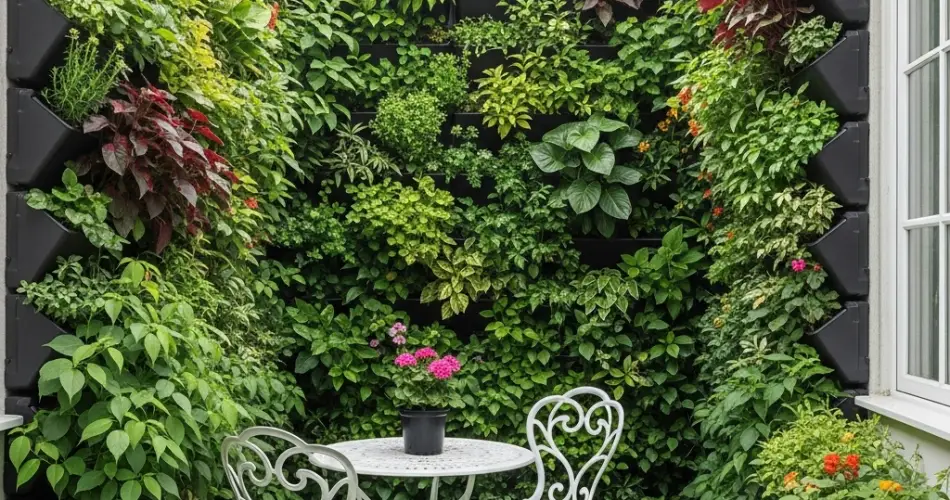
If you have limited space on your terrace or balcony but still dream of growing fresh herbs, flowers, or vegetables, vertical gardening is the solution you’ve been looking for. By taking advantage of vertical space—walls, railings, or even hanging systems—you can transform a compact terrace into a lush, productive garden.
Vertical gardening not only maximizes planting space, but it also adds beauty, improves air circulation, and can even provide shade or privacy. With the right ideas and materials, you can build a vertical garden that suits your space, style, and plant preferences.
Here are creative and practical vertical gardening ideas for small terrace spaces.
1. Wall-Mounted Planters
Wall-mounted planters are one of the simplest and most space-efficient ways to grow plants vertically. These can be made from wooden pallets, metal grids, or hanging pockets attached directly to the wall.
Best for:
-
Herbs like basil, parsley, mint
-
Leafy greens like lettuce or spinach
-
Ornamental plants like petunias or succulents
Tip: Choose a sunny wall and secure your planters firmly. Add a waterproof backing if the wall isn’t moisture-resistant.
2. Hanging Baskets and Pots
Hanging planters allow you to grow upwards without taking up floor space. Use sturdy hooks from the ceiling, balcony roof, or railings to hang baskets filled with cascading plants or compact veggies.
Good choices include:
-
Strawberries
-
Cherry tomatoes
-
Nasturtiums
-
Ferns or spider plants
Group baskets at different heights to create a layered effect and allow sunlight to reach all plants.
3. Ladder-Style Plant Stands
Repurposed ladders or tiered plant stands are stylish and functional options for vertical gardening. Each step of the ladder can hold one or more pots, creating multiple layers of planting space in a single footprint.
Advantages:
-
Easy to move and reposition
-
Adds a decorative touch
-
Works well for herbs, small vegetables, and flowering plants
Place the stand against a wall for support or in a corner to create a mini vertical garden nook.
4. Trellises and Climbing Frames
Install a trellis or vertical frame along your terrace wall or railing to support climbing or vining plants. These structures are perfect for edible plants and flowering vines that need something to cling to.
Top picks for climbing plants:
-
Pole beans
-
Peas
-
Cucumbers
-
Morning glories
-
Jasmine
Trellises can be wooden, metal, or DIY versions made from bamboo or recycled materials. They double as decorative screens or shade providers when fully grown.
5. Stackable or Tiered Planters
Stackable planters are designed to sit on top of one another, allowing you to grow multiple plants in a single vertical unit. They’re often modular and great for small spaces where every inch counts.
Benefits:
-
Saves horizontal space
-
Easy to water and maintain
-
Ideal for strawberries, lettuce, herbs, and even flowers
Choose a self-watering version for low-maintenance gardening or stack them in corners to maximize use of vertical height.
6. PVC or Gutter Gardens
Repurposed materials like PVC pipes or rain gutters can be turned into creative and budget-friendly vertical planters. Mount them horizontally along a wall or railing, drill drainage holes, and fill them with potting mix.
Great for:
-
Lettuce
-
Spinach
-
Radishes
-
Small herbs
Space-saving and visually striking, these DIY options are perfect for experimental gardeners who love upcycling.
7. Vertical Hydroponic Systems
For gardeners interested in soil-free growing, vertical hydroponic towers or wall systems are ideal. These use nutrient-rich water solutions to nourish plants and often have sleek, modern designs that fit neatly on terraces.
Advantages:
-
Clean and efficient
-
Requires less water than traditional soil gardens
-
Produces high yields in compact areas
Hydroponics can be a bit more technical, but they’re excellent for urban gardeners who want to grow greens year-round.
8. Shelving Units or Bookshelves
Old bookshelves or open racks can be transformed into plant displays. Each shelf can hold several pots, and with some waterproof lining, they can withstand outdoor conditions.
Tip: Use the top shelf for sun-loving plants and lower levels for those that prefer partial shade.
Add wheels to the base to easily move the shelf depending on the sun’s direction during the day.
9. Pocket Planters or Shoe Organizers
Fabric shoe organizers can be hung on walls or balcony railings and repurposed as pocket planters. Each pocket can hold a small plant, making this an affordable and compact vertical garden option.
Best for:
-
Herbs
-
Leafy greens
-
Edible flowers
-
Strawberries
Ensure drainage by poking small holes in the bottom of each pocket and lining them with breathable fabric if needed.
10. Use Balcony Railings Creatively
Don’t forget about railings—they’re perfect for hanging small pots or planter boxes using metal or wooden brackets. Choose plants that spill over attractively or grow upright without much support.
Examples:
-
Trailing petunias
-
Lavender
-
Parsley
-
Compact peppers
This adds greenery without using any floor space and provides easy access for watering and harvesting.
Final Thoughts
Vertical gardening opens up endless possibilities for growing lush greenery in small terrace spaces. Whether you want to grow fresh herbs for cooking, flowers for color, or vegetables for your table, these ideas make it possible—even in tight quarters.
With smart use of vertical structures, repurposed materials, and thoughtful plant choices, you can turn your terrace into a vibrant garden oasis that’s not only beautiful but also productive. Start with a simple setup and expand as your confidence grows—you’ll be amazed at how much you can grow by just going up.


