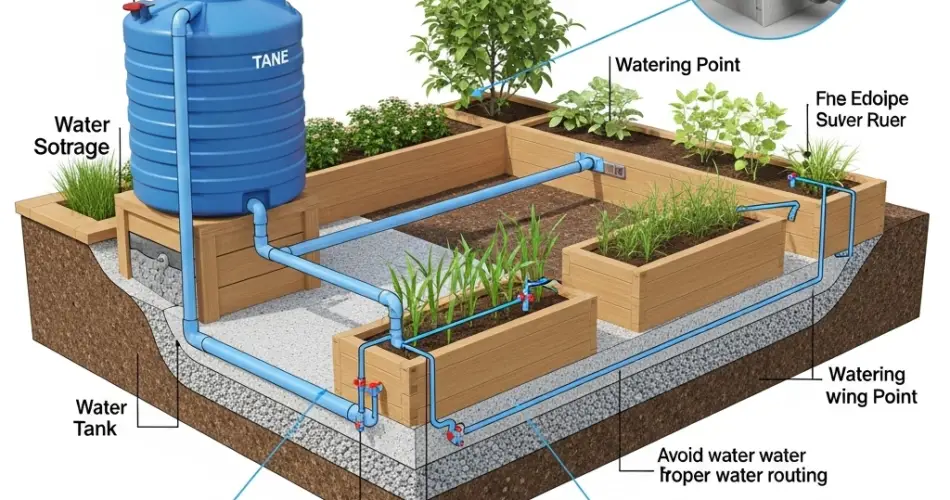
Terrace gardening has gained popularity as a smart way to grow plants in limited urban spaces. Whether you’re cultivating vegetables, herbs, flowers, or even fruit trees, a successful terrace garden depends on one critical factor: proper watering and drainage. Since containers and raised beds on rooftops or balconies don’t benefit from natural ground drainage, maintaining the right moisture balance becomes essential.
Overwatering can lead to root rot and fungus, while underwatering causes stress and stunted growth. Here’s how terrace gardeners can master watering and drainage for a thriving rooftop garden.
1. Choose the Right Containers with Drainage Holes
All containers used in terrace gardening must have adequate drainage holes at the bottom. Without them, water accumulates and drowns the roots, causing fungal diseases and rot.
-
Plastic, clay, or grow bags all work well if they have drainage.
-
If using decorative pots without holes, place a plant in a smaller pot with drainage inside them.
-
Elevate containers slightly with pot feet or bricks to allow excess water to flow out freely.
2. Use Well-Draining Soil Mix
Soil quality and composition play a huge role in both moisture retention and drainage. Terrace gardens should use a lightweight, nutrient-rich, and well-draining mix to avoid compaction.
Recommended potting mix:
-
1 part garden soil or compost
-
1 part coco peat or coir for water retention and aeration
-
1 part sand or perlite to improve drainage
Avoid using dense clay soil, which retains water and prevents air from reaching plant roots. Refresh or replace soil annually to keep it healthy and loose.
3. Water Deeply, But Less Frequently
Shallow watering only wets the top layer of soil, causing roots to grow upward instead of down. Instead, water thoroughly until you see it draining from the bottom. This ensures moisture reaches the deeper root zones.
Key tips:
-
Water when the top 1–2 inches of soil feel dry to the touch.
-
For containers, water until excess runs out the drainage holes, then stop.
-
Deep watering encourages stronger roots and better drought resistance.
4. Water Early in the Morning
The best time to water a terrace garden is early in the morning, when the temperatures are cooler and evaporation is minimal. Watering in the evening can also be effective, but wet leaves overnight may encourage fungal growth.
Avoid watering during midday heat, as much of the water will evaporate before reaching the roots, and plants may be more sensitive to temperature shocks.
5. Mulch to Reduce Moisture Loss
Adding mulch around your plants helps retain soil moisture, reduces watering frequency, and keeps the soil temperature stable.
Good mulching materials include:
-
Coconut husk or coir
-
Dried leaves
-
Straw
-
Wood chips
-
Compost
Apply a 2–3 inch layer of mulch on top of the soil, keeping it a little away from the plant stems to prevent rot.
6. Group Plants by Watering Needs
Terrace gardeners often have limited space, so organizing plants efficiently is key. Grouping plants with similar water requirements helps prevent overwatering or underwatering.
-
Keep drought-tolerant herbs like rosemary and thyme in one area.
-
Place thirstier plants like tomatoes and leafy greens together.
-
Use trays to catch excess water but empty them regularly to prevent mosquito breeding or root rot.
7. Consider Self-Watering Pots or Drip Irrigation
For busy gardeners or during peak summer, consider investing in self-watering pots or a drip irrigation system.
-
Self-watering pots have a reservoir at the bottom that supplies water to the roots as needed.
-
Drip irrigation delivers water directly to the base of each plant, reducing waste and promoting deep root growth.
You can also use recycled plastic bottles to create simple drip watering systems for individual pots.
8. Check for Drainage Problems
Signs of poor drainage include yellowing leaves, a constant soggy surface, stunted growth, and mold on the soil. Regularly check the undersides of pots and beds to make sure water is escaping freely.
If you notice pooling water or slow drainage:
-
Add more drainage holes to the containers.
-
Mix in more sand or perlite to loosen the soil.
-
Elevate pots higher off the terrace floor.
9. Avoid Overwatering in Rainy Weather
If your terrace garden is exposed to natural rainfall, be cautious about watering during the rainy season. Install a canopy or movable cover if necessary to protect delicate plants from excess rain and prevent waterlogging.
Always check the soil before watering—overwatering can be just as harmful as drought.
10. Use Water Wisely
Water is a valuable resource, especially in urban settings. Reuse greywater from rinsing vegetables (without soap), collect rainwater in barrels, and use a watering can instead of a hose to control usage.
Saving water helps your plants and supports a more sustainable, eco-friendly gardening practice.
Conclusion
Mastering watering and drainage is key to building a healthy, thriving terrace garden. With the right soil mix, properly designed containers, deep watering techniques, and good drainage systems, even the most space-limited urban gardener can enjoy flourishing plants year-round. By paying attention to your plants and making small, consistent improvements, your rooftop can become a productive and lush green space.


