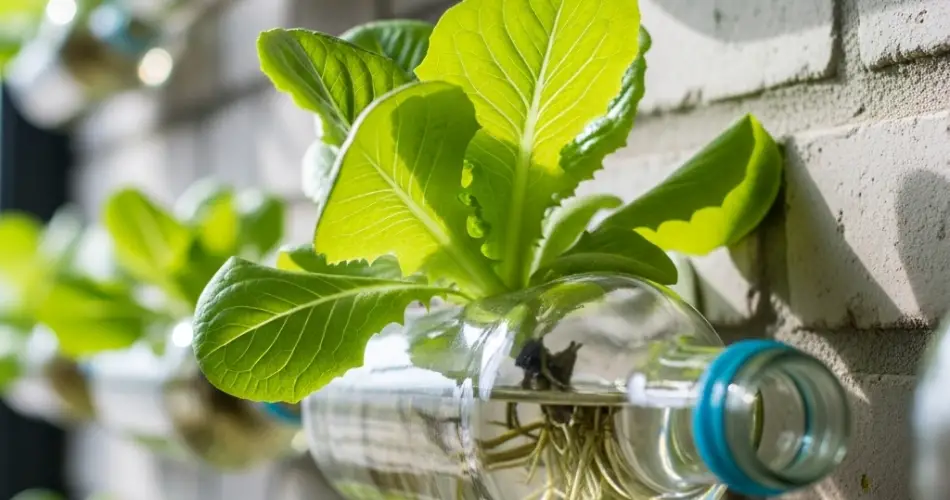
Growing lettuce in wall-mounted bottle gardens is a brilliant solution for urban gardeners who lack traditional garden space. With just a few recycled plastic bottles, some potting mix, and a sunny wall, you can create a vertical garden that yields fresh, crispy lettuce leaves in a surprisingly short time. This eco-friendly method not only reduces waste but also transforms bare walls into productive green spaces.
Why Grow Lettuce in Bottles?
Lettuce is one of the easiest leafy greens to grow and is well-suited for compact environments. Its shallow roots and fast growth make it ideal for bottle gardening. The method requires minimal soil, water, and space, making it perfect for balconies, patios, and even indoor walls with sufficient light. Plus, harvesting your own pesticide-free greens ensures freshness and quality that store-bought lettuce can’t match.
Materials You’ll Need
To start your bottle garden, gather the following:
-
Clean, empty plastic bottles (1.5 to 2-liter sizes work best)
-
Scissors or a utility knife
-
A nail or heated metal skewer for making drainage holes
-
Potting mix with compost or organic fertilizer
-
Lettuce seeds or seedlings
-
String, wire, or brackets for mounting bottles on the wall
Choose a sturdy wall that receives at least 4–6 hours of sunlight per day. A wire mesh or wooden pallet can help you organize and support the bottles more easily.
Preparing the Bottles
Cut a horizontal opening along the side of each bottle, leaving the top and bottom intact. This cutout will act as your planting window. Poke several small holes in the bottom for drainage.
For vertical setups, you can also use bottles placed upside-down, with the neck serving as a drainage outlet into the bottle below. This cascading system is useful for maximizing water use in stacked rows.
Secure the bottles to the wall using wire, hooks, or brackets, making sure they’re stable and spaced far enough apart to allow light and airflow.
Soil and Planting
Fill each bottle with a light, well-draining potting mix enriched with compost or worm castings. Avoid compacted or clay-heavy soil, which can suffocate roots and hinder water drainage. If you’re using seeds, sprinkle a few in each bottle and cover lightly with soil. For seedlings, dig a small hole, insert the plant, and firm the soil around it.
Water thoroughly after planting, allowing excess moisture to drain through the holes. Keep the soil moist but not soggy throughout the growing cycle.
Sunlight and Positioning
Lettuce prefers cooler temperatures and partial sunlight. Morning sun and afternoon shade work best, especially in hot climates. If your wall faces direct afternoon sunlight, consider adding shade cloth or placing your garden in a location that gets gentle filtered light.
Rotate the bottles occasionally if needed, especially in semi-shaded walls, to ensure each plant receives even exposure.
Watering and Maintenance
Wall-mounted bottle gardens tend to dry out faster than ground-based containers, so check the moisture level daily. Water early in the morning or late in the afternoon to reduce evaporation. If using a vertical bottle system, pour water into the top bottle and let gravity distribute it to the lower levels.
Remove any weeds or damaged leaves regularly. Lettuce grows quickly, so thin out overcrowded seedlings to promote air circulation and healthy development. Feeding the plants with a diluted organic fertilizer every two weeks will support leafy growth.
Pest and Disease Control
Lettuce is generally easy to grow, but aphids and slugs can occasionally be a problem. Check the undersides of leaves for pests and spray with a solution of water and mild soap if needed. Encourage airflow between bottles to prevent fungal issues like powdery mildew.
Because the garden is elevated, it’s naturally protected from ground pests, but always monitor for signs of trouble, especially during humid weather.
Harvesting Your Lettuce
Lettuce is ready to harvest in about 30–45 days, depending on the variety. You can either cut whole heads or harvest outer leaves as needed, allowing the inner leaves to continue growing. This “cut-and-come-again” approach is ideal for bottle gardening, as it extends the harvest period and keeps the wall green and productive.
Use scissors to snip the leaves just above the base. Avoid pulling the plant, which can disturb the roots and soil in nearby bottles.
Final Thoughts
Wall-mounted bottle gardens are a sustainable and efficient way to grow fresh produce, even in the tightest spaces. Lettuce thrives in these compact systems, offering fast results and continuous harvests with minimal input. With a few reused bottles and a sunny wall, you can turn a blank space into a lush, living salad station—bringing garden-to-plate freshness right to your home.


