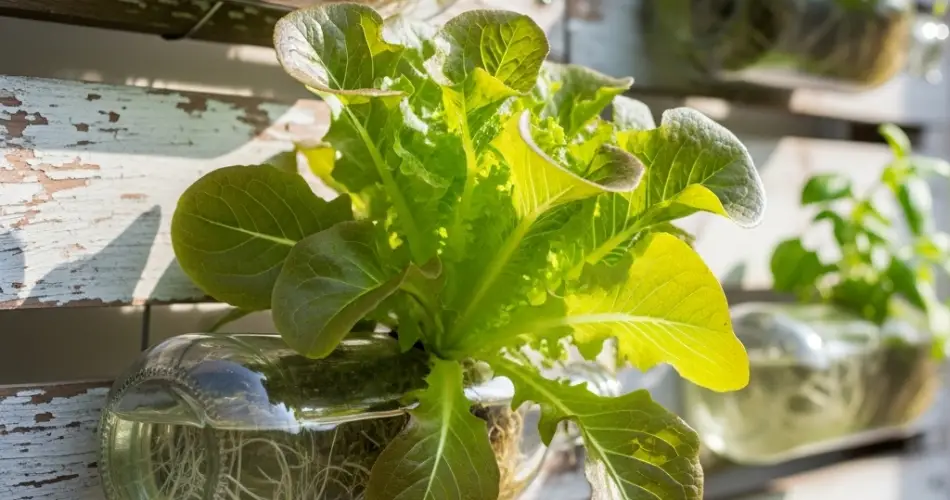
Fresh, crunchy lettuce is a kitchen essential—and now, you can grow it even if you don’t have a garden. Vertical bottle gardening offers a smart, space-saving solution for growing crisp lettuce in tight areas like balconies, patios, or small urban yards. Using recycled plastic bottles, you can create a compact, eco-friendly setup that keeps the greens coming without the need for soil beds.
Whether you’re looking to reduce waste, grow your own salad ingredients, or make use of vertical space, this technique makes it simple and sustainable.
Why Lettuce Thrives in Vertical Bottles
Lettuce is one of the easiest leafy greens to grow and is well-suited for container environments. It has a shallow root system, grows quickly, and prefers cooler temperatures—making it perfect for bottle gardening where you can easily control water and light exposure.
Vertical gardening with bottles maximizes limited space, allows good air circulation, and adds visual interest to walls or railings. It’s also a great project for beginners or anyone who wants to garden on a budget.
Materials You’ll Need
To start your vertical lettuce garden using bottles, you’ll need:
-
Empty 1.5L or 2L plastic bottles (preferably clear)
-
A sharp cutter or scissors
-
A nail or screwdriver for making holes
-
Cotton rope or strips of cloth (if using a wick system)
-
Lightweight potting mix or a soil-less growing medium (like coco coir mixed with compost)
-
Lettuce seeds or seedlings
-
String or wire for hanging
-
A support frame, trellis, or wall for mounting
Reusing plastic bottles not only cuts costs but also helps reduce plastic waste—giving everyday items a second life.
Preparing the Bottles
There are a couple of ways to design vertical bottle planters. One method is horizontal stacking, and the other is vertical hanging. For lettuce, vertical hanging with side openings is highly effective. Here’s how to do it:
-
Cut an opening on the side of each bottle wide enough to plant your lettuce. Leave enough of the bottle intact for structural support.
-
Puncture drainage holes in the bottom to allow excess water to escape.
-
For vertical stacking systems with a wick: poke a hole in the cap and insert a piece of cotton rope. This wick will draw water from the bottle below to keep the upper bottle hydrated.
-
Fill the bottom portion of each bottle with your potting mix or growing medium, making sure it’s moist but not soggy.
If you’re mounting bottles directly to a wall, cut side openings and attach them horizontally using wire or zip ties.
Choosing and Sowing Lettuce
Lettuce comes in many varieties—loose-leaf, romaine, butterhead, and crisphead. For vertical bottle gardening, loose-leaf types such as Green Salad Bowl, Oak Leaf, or Lollo Rosso are ideal because they grow quickly, take up less space, and allow for continuous harvests.
Plant seeds about ¼ inch deep in the soil and mist lightly to moisten. In cooler climates, you can place the setup in full sun. In warmer regions, provide partial shade to prevent heat stress or early bolting.
Seeds typically germinate within 7–10 days, and baby greens can be harvested in as little as 3–4 weeks.
Watering and Maintenance
In vertical systems, proper watering is key. Bottles dry out faster than ground beds, so check moisture levels frequently. Water gently from the top bottle, allowing excess water to trickle down through the system.
If you’re using a wick system, keep the lower reservoir filled so the wick can continually draw moisture upward. Make sure the soil remains moist but not waterlogged. Adding mulch, such as shredded leaves or straw, helps retain moisture.
Regularly trim any damaged or yellowing leaves to keep your lettuce fresh and healthy.
Feeding Your Lettuce
Lettuce doesn’t require heavy feeding, especially in nutrient-rich media. If needed, you can apply a diluted liquid fertilizer every two weeks, particularly if you notice pale leaves or stunted growth.
Avoid over-fertilizing, as this can lead to bitterness in the leaves. Opt for organic compost tea or a mild seaweed extract for the best results.
Harvesting Lettuce
You can begin harvesting baby leaves when they’re about 4 inches tall. Use scissors to snip the outer leaves, allowing the center to continue growing. This “cut-and-come-again” approach gives you multiple harvests from a single plant.
For full heads, wait until the plant reaches maturity—usually around 6 to 8 weeks, depending on the variety. Gently pull the plant from the opening, shake off excess soil, and rinse thoroughly before use.
Benefits of Vertical Bottle Lettuce Gardening
-
Saves space: Perfect for apartment dwellers or homes without yards.
-
Recycles waste: Gives used plastic bottles a second life.
-
Portable and modular: Easy to rearrange or expand based on needs.
-
Visually appealing: Adds a green, living wall to your space.
-
Low maintenance: Requires less weeding and minimal pests when elevated.
Final Tips
-
Rotate your bottle garden if sunlight is uneven to ensure balanced growth.
-
Keep a spray bottle handy to mist seedlings during early growth.
-
Label each row or bottle with planting dates for organized succession planting.
-
Clean and sanitize bottles between growing seasons to prevent disease.
Lettuce grown in a vertical bottle system is not only practical but also satisfying to harvest. With a few recycled materials and some planning, you can turn any sunny wall into a fresh, edible garden—no soil beds or backyards required.


