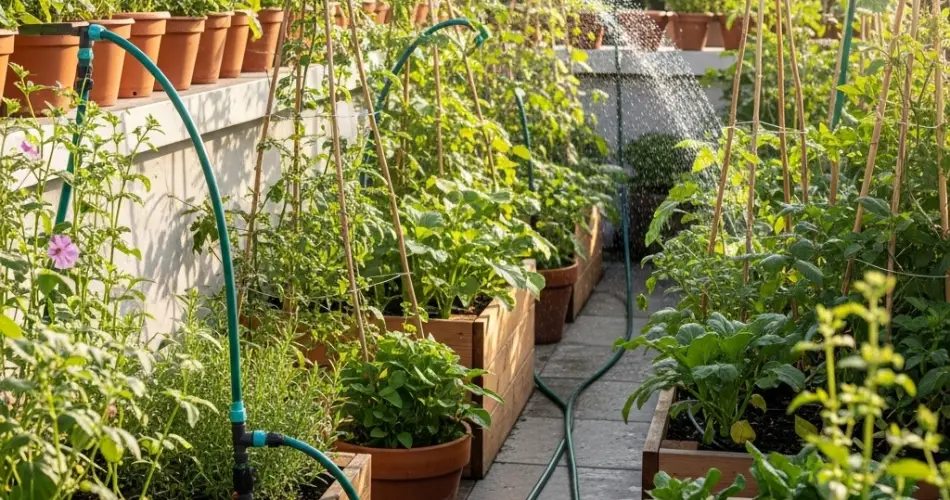
Organic terrace gardening is a sustainable and rewarding way to grow your own vegetables, herbs, and fruits right at home—no backyard required. Whether you live in a crowded city or simply want to make the most of your rooftop space, creating an organic garden on your terrace allows you to enjoy fresh, chemical-free produce while contributing to a greener environment.
Here’s a complete guide to help you get started with organic terrace gardening—from setup and soil preparation to plant care and pest management.
1. Why Choose Organic Terrace Gardening?
Going organic means growing plants without the use of synthetic fertilizers, pesticides, or genetically modified organisms. It emphasizes natural processes, soil health, and environmental balance. Terrace gardening adds the benefit of turning unused space into a productive green area, perfect for growing seasonal vegetables and herbs right where you live.
Benefits include:
-
Access to fresh, pesticide-free produce
-
Reduced grocery expenses
-
Improved air quality around your home
-
A relaxing, productive hobby
-
A reduced carbon footprint
2. Selecting the Right Location
Most terraces receive plenty of sunlight—one of the key requirements for a healthy garden. Choose a spot that receives at least 4–6 hours of direct sunlight daily.
Other factors to consider:
-
Wind protection: Use barriers like bamboo screens or trellises if your rooftop is very windy.
-
Accessibility: Make sure there’s a nearby water source for easy irrigation.
-
Weight load: Ensure your terrace structure can support the weight of soil, pots, water, and plants. Consult an engineer if necessary.
3. Choosing Containers and Beds
You can grow plants in a variety of containers, depending on the available space and your budget. Popular options include:
-
Grow bags: Lightweight, breathable, and great for root health.
-
Clay pots: Naturally breathable and eco-friendly, though heavy.
-
Plastic containers: Lightweight and cost-effective, but ensure they have proper drainage.
-
Raised beds: Ideal for large-scale planting. Construct them from wood, cement blocks, or recycled materials.
All containers must have drainage holes to prevent waterlogging. Place trays underneath to catch excess water and avoid damaging your terrace floor.
4. Creating Nutrient-Rich Organic Soil
Soil quality is the foundation of a thriving garden. For terrace gardening, a lightweight yet fertile potting mix is ideal. Here’s a basic organic mix:
-
1 part garden soil or loamy soil
-
1 part compost (homemade or organic store-bought)
-
1 part coco peat or coir (for moisture retention)
-
Optional: neem cake or crushed eggshells for added nutrients
Mix well before filling containers. Refresh the soil annually or rotate crops to maintain fertility.
5. What to Grow on Your Terrace
You can grow a wide variety of crops depending on your local climate and space. Start with easy-to-grow vegetables and herbs such as:
-
Leafy greens: Spinach, lettuce, amaranth, fenugreek
-
Fruiting plants: Tomatoes, chilies, eggplants, cucumbers
-
Root vegetables: Radish, beetroot, carrots
-
Herbs: Basil, mint, coriander, oregano
-
Climbers: Beans, gourds, peas (with support structures)
Use crop rotation and companion planting to prevent pest buildup and promote healthy growth.
6. Organic Fertilizers for Terrace Gardens
Skip synthetic fertilizers in favor of natural options. These feed the soil and plants while improving overall garden health:
-
Compost: Made from kitchen scraps and garden waste
-
Vermicompost: Earthworm-rich compost that improves soil structure
-
Banana peel water: Potassium-rich fertilizer for flowering plants
-
Neem cake powder: Acts as both a fertilizer and pest repellent
-
Seaweed extract: Provides micronutrients and promotes growth
Feed plants every 10–15 days depending on the crop and growth stage.
7. Organic Pest Management
Keeping your terrace garden pest-free without chemicals is entirely possible with natural remedies and preventive care.
Tips for organic pest control:
-
Use neem oil spray weekly to deter common pests
-
Garlic-chili spray works against aphids and whiteflies
-
Attract beneficial insects like ladybugs with flowering plants
-
Handpick pests like caterpillars or beetles early in the morning
-
Keep the area clean to avoid infestations
Diverse planting and healthy soil also help reduce disease and pest problems.
8. Efficient Watering and Drainage
Container plants dry out faster than garden beds. Water deeply and consistently, ideally in the morning. Use mulch (like straw or dried leaves) on soil surfaces to reduce evaporation.
For best results:
-
Check soil moisture regularly with your finger
-
Avoid overwatering—ensure all containers have proper drainage
-
Use a drip irrigation system for efficient water use if your garden is large
9. Composting at Home
Turn kitchen waste into valuable compost instead of throwing it away. You can compost:
-
Fruit and vegetable scraps
-
Coffee grounds and tea leaves
-
Crushed eggshells
-
Garden trimmings and dried leaves
Avoid meat, dairy, and oily food. Use a bin or container with air holes and turn it regularly to aid decomposition.
Conclusion
Organic terrace gardening offers a healthy, sustainable way to grow your own food while making the most of urban space. With a little planning, some soil and sunlight, and the right organic practices, you can transform your rooftop into a thriving green haven. Whether you’re aiming for a few herbs or a full vegetable patch, starting an organic terrace garden brings fresh produce and a sense of connection to nature right to your doorstep.


