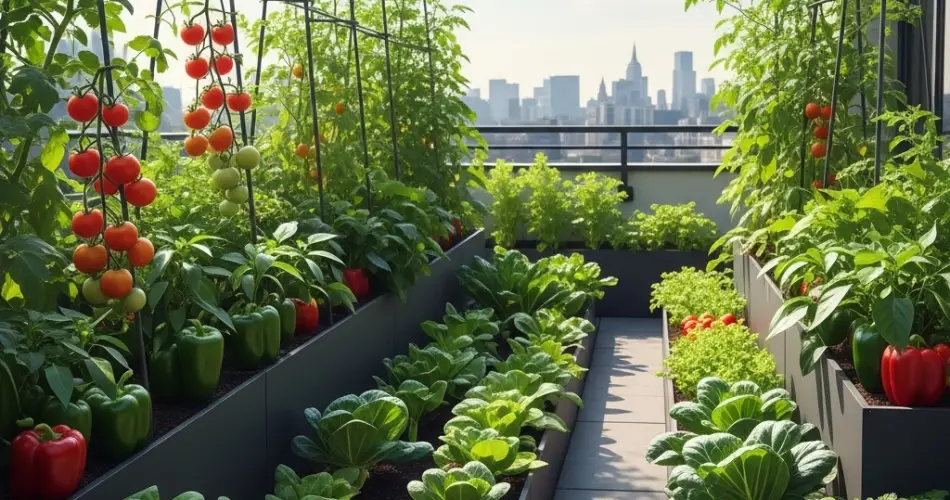
Urban living often means limited access to open ground for gardening, but that doesn’t have to stop you from growing your own vegetables, herbs, and flowers. A terrace garden offers the perfect opportunity to transform a small, unused outdoor area into a lush, productive green space. With smart planning and efficient use of vertical and horizontal surfaces, even a small terrace can yield a surprising amount of fresh produce and greenery.
Here’s how to create a productive terrace garden, even if space is limited.
1. Assess Your Space and Sunlight
Before you begin, take time to evaluate your terrace. Most vegetables and herbs need at least 4–6 hours of direct sunlight daily. Observe how the sun moves across your terrace to determine the best spots for sun-loving crops like tomatoes, peppers, and basil, and which areas are better suited to shade-tolerant plants like leafy greens, mint, or ferns.
Also, check the structural strength of your terrace floor. Containers filled with soil and water can get heavy, so it’s important to ensure your building can handle the load. Use lightweight containers and soil mixes to reduce overall weight where needed.
2. Use Vertical Gardening Techniques
When floor space is tight, the best way to expand your garden is to grow upward. Vertical gardening not only saves space but also adds visual interest to your terrace.
Ideas for vertical growing:
-
Install trellises or climbing frames for beans, cucumbers, and gourds.
-
Use hanging baskets or wall-mounted planters for herbs, flowers, or trailing plants.
-
Create a vertical shelf or pallet garden for leafy greens, strawberries, or succulents.
-
Repurpose items like shoe organizers or ladders as vertical planters.
Vertical systems help maximize light exposure and air circulation, both of which are essential for healthy plant growth.
3. Choose the Right Containers
Container gardening is the foundation of a productive terrace garden. Choose containers that fit the size of your plants and the space available.
Tips for choosing containers:
-
Use pots with drainage holes to prevent waterlogging.
-
Fabric grow bags are lightweight, breathable, and ideal for vegetables like potatoes or tomatoes.
-
Reuse plastic buckets, tubs, or crates to reduce costs—just make sure to drill drainage holes.
-
Use rectangular planters for growing multiple rows of greens or herbs in one container.
Group containers together based on their sunlight and watering needs to make care easier.
4. Select High-Yield and Space-Efficient Crops
With limited space, it’s important to grow crops that offer high yields or fast turnaround times. Focus on vegetables and herbs that give more harvest per square foot or can be grown in succession throughout the year.
Great choices for small terraces:
-
Leafy greens (lettuce, spinach, arugula)
-
Herbs (basil, coriander, mint, parsley)
-
Tomatoes (especially cherry varieties)
-
Radishes and carrots
-
Bush beans or pole beans
-
Peppers and chilies
Start with a few reliable varieties and gradually expand as you learn what grows well in your terrace conditions.
5. Prepare Nutrient-Rich Soil
Good soil is essential in containers, where nutrients can get depleted quickly. Use a mix of:
-
Garden soil or loam
-
Compost or vermicompost
-
Coco peat or perlite for drainage and moisture retention
A typical potting mix ratio is 40% garden soil, 30% compost, and 30% coco peat or sand. Regularly top up with compost or organic fertilizer every 3–4 weeks to keep your plants healthy and productive.
6. Water Smartly
Containers dry out faster than in-ground gardens, especially in sunny, windy terrace environments. Water your plants regularly—preferably early in the morning or late in the afternoon.
Watering tips:
-
Check soil moisture with your finger before watering.
-
Use self-watering containers or drip irrigation to conserve water.
-
Group thirsty plants together to simplify watering routines.
Adding mulch (dry leaves, straw, or coconut husk) on the soil surface can help retain moisture and reduce the frequency of watering.
7. Practice Companion Planting and Succession Sowing
To make your garden more productive, pair compatible plants together. Companion planting helps in pest control and promotes healthier growth.
Examples:
-
Grow basil near tomatoes to deter pests and improve flavor.
-
Plant radishes with carrots to loosen soil and save space.
-
Combine lettuce with herbs or onions for mutual benefit.
Also, try succession sowing by planting fast-growing crops like radishes or lettuce every 2–3 weeks. This ensures continuous harvests throughout the season.
8. Keep Your Garden Clean and Monitored
A clean, well-maintained terrace garden is more productive and less prone to pests or diseases. Remove dried leaves, prune overgrown stems, and check regularly for signs of insects or mildew. Use neem oil, garlic sprays, or soap water as organic pest control methods if needed.
Keep track of planting dates and crop performance in a notebook or gardening app. This will help you make better decisions each season.
Final Thoughts
A small terrace can be turned into a green sanctuary that provides food, beauty, and relaxation. By using vertical space, choosing the right plants, and caring for your containers with attention and consistency, you can build a thriving and highly productive garden—even with minimal square footage.
Start small, experiment with different setups, and enjoy the process of turning your terrace into a mini paradise of greenery and harvests.


