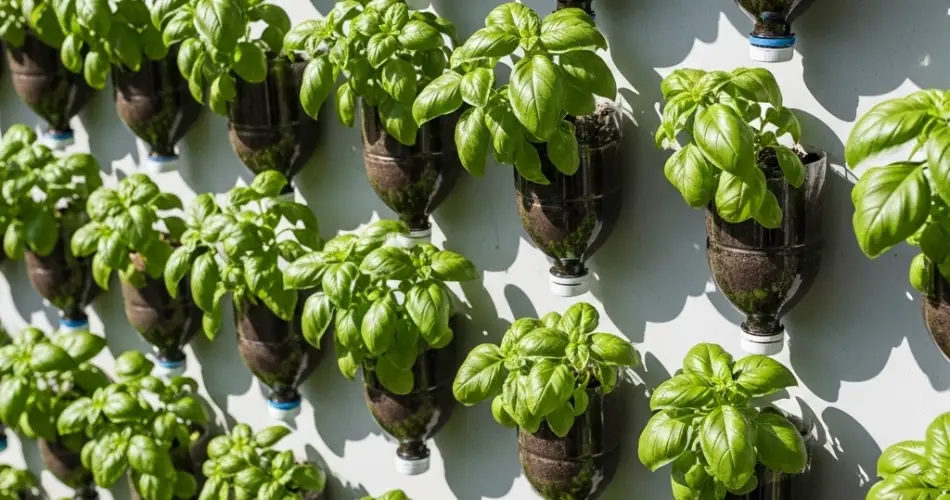
Growing fresh basil at home doesn’t require a large garden or even fancy pots. With a few recycled plastic bottles, you can create a vertical herb garden that not only saves space but also contributes to reducing plastic waste. Basil thrives in this setup, making it a perfect herb to grow in compact areas like balconies, patios, or even sunny kitchen walls.
This method combines sustainability and convenience—ideal for urban gardeners, beginners, or anyone wanting to have fresh, flavorful basil on hand for cooking. Here’s how to grow healthy, aromatic basil in a vertical bottle garden.
Why Use Recycled Bottles?
Plastic bottles are abundant, durable, and easy to modify into plant containers. Instead of throwing them away, repurposing them for vertical gardening helps reduce waste and makes gardening accessible to everyone, regardless of space or budget.
When used vertically, these bottles take up very little horizontal space and can be mounted on walls, fences, or balcony railings. This approach is particularly useful for growing herbs like basil, which need sunlight but don’t require deep soil.
What You’ll Need
To start your vertical bottle garden, gather the following materials:
-
2-liter plastic bottles (as many as you’d like to grow)
-
A sharp cutter or scissors
-
Twine, wire, or zip ties for hanging
-
A nail or drill for making holes
-
Potting mix suitable for herbs
-
Basil seeds or young basil plants
-
Optional: charcoal pieces or small pebbles for drainage
Each bottle will become an individual container in your vertical garden. Be sure to clean the bottles thoroughly before use.
Preparing the Bottles
-
Cut a window: Lay the bottle horizontally and cut out a rectangular section on the side. This opening is where your basil will grow.
-
Create drainage holes: Poke several small holes at the bottom of the bottle to allow excess water to drain. This prevents root rot.
-
Add hanging holes: Near the top and bottom of each bottle, make small holes on both sides for stringing them vertically. These holes will support the twine or wire that holds your vertical system together.
-
Layer your materials: Add a thin layer of small stones or charcoal at the bottom for drainage. Then fill the rest with a light, well-draining potting mix.
Choosing the Right Soil
Basil prefers loose, nutrient-rich, and well-draining soil. A standard potting mix works well, but you can also create your own blend with:
-
2 parts potting soil
-
1 part compost
-
1 part perlite or coarse sand for aeration
Avoid using garden soil, which may compact in bottles and hinder root growth.
Planting Basil
You can start from seeds or transplant small basil seedlings into the bottle containers.
-
From seeds: Sow 2–3 seeds in each bottle, about ¼ inch deep. Cover lightly with soil and water gently.
-
From seedlings: Transplant carefully, ensuring the root ball is well-settled into the soil.
Water lightly and place the bottles in a sunny location. Basil needs at least 6 hours of sunlight per day to develop strong flavor and lush growth.
Assembling Your Vertical Garden
Once the bottles are planted, assemble your vertical system:
-
Thread the twine or wire through the side holes and tie knots below each bottle to support its weight.
-
Hang the structure on a sunny wall, fence, or balcony. Ensure it’s sturdy enough to hold the weight of the soil and plants.
-
Leave space between each bottle to allow airflow and sunlight to reach all plants.
Water gently from the top bottle and allow excess to trickle down to the lower containers. Make sure each bottle drains properly.
Watering and Fertilizing
Basil prefers moist, not soggy, soil. In hot weather or sunny spots, you may need to water daily. Check the top inch of soil—if it feels dry, it’s time to water.
Fertilize with a diluted organic liquid fertilizer every 2–3 weeks to support continuous growth. Over-fertilizing can make the plant grow leggy and reduce flavor, so use a light hand.
Pruning and Harvesting
Begin harvesting once the basil has at least 6–8 healthy leaves. To promote bushier growth:
-
Pinch or cut stems just above a leaf pair.
-
Remove flower buds promptly to prevent the plant from going to seed.
Frequent pruning not only gives you more leaves but also encourages the plant to grow thick and full rather than tall and sparse.
Troubleshooting Common Issues
-
Yellow leaves: Often due to overwatering or poor drainage.
-
Leggy growth: Caused by insufficient sunlight—move the garden to a sunnier location.
-
Pests (aphids, spider mites): Use a gentle spray of water or neem oil to control them.
Good airflow and clean bottles help minimize pest and disease problems.
Final Thoughts
A vertical bottle garden is a smart, sustainable, and space-saving way to grow fresh basil. Whether you’re an apartment dweller or a balcony gardener, this method allows you to enjoy homegrown herbs without needing a yard. With sunlight, good soil, and basic care, your recycled container garden will produce flavorful basil that enhances your meals and adds green life to your space.


