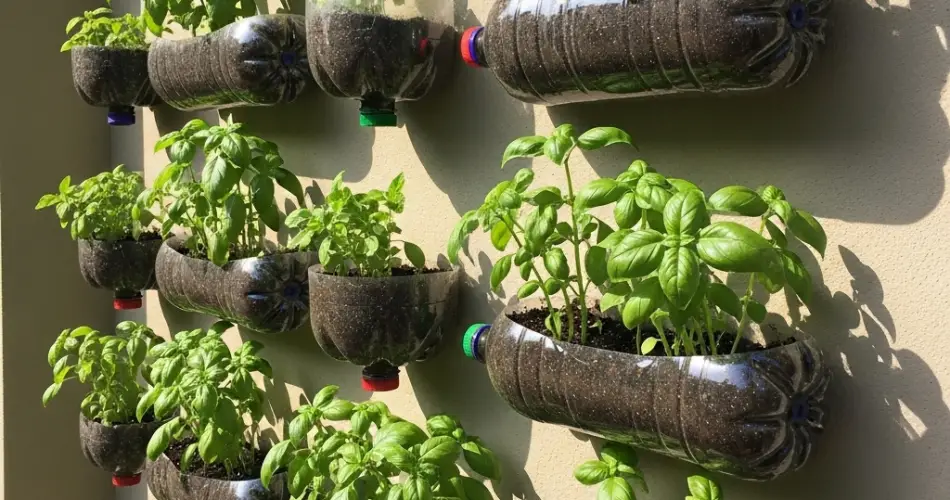
Basil (Ocimum basilicum) is one of the most beloved culinary herbs worldwide, adding fresh flavor to pasta dishes, sauces, salads, and beverages. While traditionally grown in garden beds or pots, basil is also an excellent candidate for vertical gardening. In particular, wall gardens made from recycled plastic bottles offer a space-saving, eco-friendly solution that brings greenery and fragrance to even the smallest of spaces.
Whether you have limited outdoor space or simply want to reuse materials creatively, this guide will show you how to grow vibrant, healthy basil in a plastic bottle wall garden—from setup to harvest.
Why Use Plastic Bottles for Wall Gardening?
Plastic bottles are widely available and easy to repurpose. Using them for wall gardening has several advantages:
-
Affordable: Most people already have bottles at home, reducing the need for new containers.
-
Eco-friendly: Gives single-use plastics a second life and helps reduce waste.
-
Space-saving: Ideal for small patios, balconies, or even indoor walls.
-
Modular design: Bottles can be arranged and stacked vertically, expanding growing space.
-
Mobility: Lightweight and easy to relocate depending on light and weather.
When used correctly, plastic bottles make excellent mini-planters for herbs like basil.
Materials You’ll Need
To get started, gather the following items:
-
Clean, empty plastic bottles (1.5–2 liter recommended)
-
Sharp knife or scissors
-
Potting mix or homemade herb soil mix
-
Compost or organic fertilizer
-
Basil seeds or seedlings
-
Cotton string or wire (for hanging)
-
Drill or hole punch (for drainage)
-
Optional: A wooden frame or mesh grid for mounting bottles
Be sure all bottles are washed thoroughly and free of any residues before use.
Preparing the Bottles
-
Cut the planting opening:
Lay the bottle horizontally and cut a rectangular window on one side—about 3–4 inches wide and 6 inches long. This will be where your basil grows. -
Add drainage holes:
Use a drill or heated nail to poke several holes in the bottom of the bottle. This prevents water buildup and root rot. -
Create hanging holes:
Punch two holes near the top corners of the cut window. Thread cotton string or wire through them to suspend the bottle on a wall or frame. -
Label each bottle if you’re growing different herb varieties for easier identification.
Assembling the Wall Garden
You can attach your prepared bottles to a vertical wooden pallet, wire mesh, fence, or wall. Arrange them in rows with enough space between each bottle to allow the plants to grow without shading one another.
Be sure the wall is placed in a sunny location—basil needs at least 6 hours of sunlight per day. A south-facing wall works best for year-round exposure.
Choosing the Right Soil
Basil thrives in light, well-draining soil that’s rich in organic matter. Create an ideal mix using:
-
2 parts potting soil
-
1 part compost or worm castings
-
1 part perlite or coconut coir for drainage
Avoid heavy soils or those with moisture-retaining crystals, which may cause root rot in compact containers.
Planting Basil in Bottles
Basil can be grown from seed or transplants. For seeds:
-
Fill each bottle with the prepared soil, leaving about an inch of space at the top.
-
Sow 2–3 seeds per bottle, covering them lightly with soil.
-
Water gently using a spray bottle or watering can with a fine spout.
-
Keep the soil moist until seeds germinate—usually within 5–10 days.
-
Once seedlings develop their second set of true leaves, thin to one strong plant per bottle.
If using transplants, gently remove the seedling from its original pot and place it into the bottle, firming the soil around the base.
Care and Maintenance
Sunlight:
Basil loves warmth and sun. Ensure the wall garden gets at least 6–8 hours of sunlight daily. In lower light conditions, consider supplemental LED grow lights.
Watering:
Check soil moisture regularly. In plastic bottles, soil can dry out quickly. Water when the top inch of soil feels dry. Make sure excess water drains completely through the holes.
Feeding:
Feed basil with a diluted organic liquid fertilizer every 3–4 weeks during active growth. Compost tea or seaweed extract works well.
Pruning:
Start pinching off the top sets of leaves once the plant reaches 6 inches tall. This encourages branching and a bushier plant. Regular harvesting will help delay flowering and extend the harvest period.
Pest Watch:
Keep an eye out for aphids or whiteflies. If they appear, gently spray with a mix of water and mild soap or neem oil. Good air circulation helps prevent fungal issues.
Harvesting Your Basil
You can begin harvesting once the plant has enough mature leaves. Use scissors or pinch off stems just above a leaf pair. Avoid cutting more than one-third of the plant at once.
Basil is best used fresh, but you can also dry or freeze it for later use. For freezing, chop the leaves and store them in ice cube trays with olive oil or water.
Final Thoughts
Growing basil in a wall garden using plastic bottles is not only an effective use of vertical space—it’s a sustainable gardening method that turns waste into something productive. With a bit of planning and care, you can enjoy a continuous supply of fragrant, flavorful basil right outside your door or even in your kitchen. This method is perfect for urban gardeners, beginners, and anyone looking to combine eco-conscious practices with delicious homegrown herbs.


