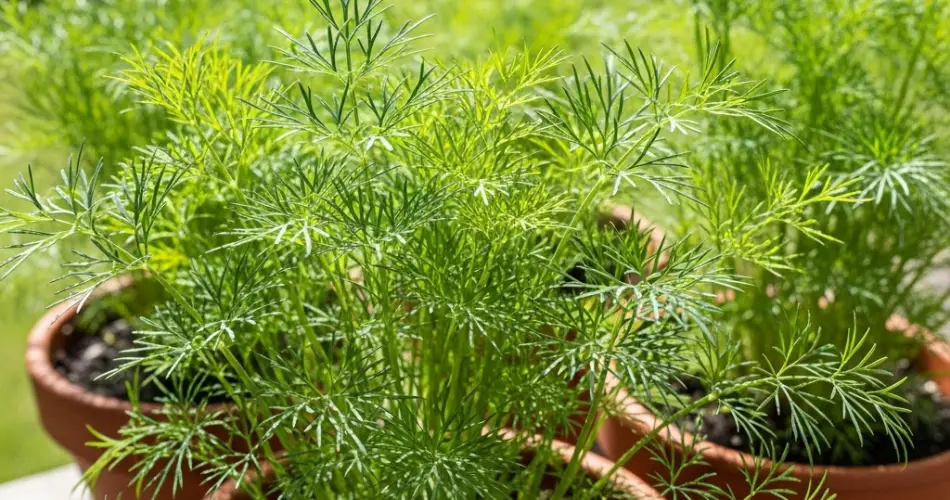
Dill is a fragrant herb with feathery leaves and a distinct taste that complements fish, pickles, salads, and sauces. Its delicate texture and fast growth make it a great option for container gardening. Whether you’re growing it on a windowsill, balcony, or patio, dill can thrive in a pot with the right conditions.
Container-grown dill not only provides fresh foliage at your fingertips but also adds visual interest with its tall stems and umbrella-shaped yellow flowers. In this guide, you’ll learn how to grow healthy, flavorful dill in containers—even in limited spaces.
Why Grow Dill in a Container?
Dill grows quickly and doesn’t require much maintenance. In fact, containers are a great way to manage this herb because dill has a long taproot and doesn’t like being transplanted. Growing it in a pot from the start reduces transplant shock and allows you to control the growing environment.
Additionally, container gardening is perfect for people with limited space or who want to keep herbs close to the kitchen. You can move the pot to catch sunlight, protect it from wind, or bring it indoors if needed.
Choosing the Right Variety
There are a few different types of dill, and your choice will depend on how you plan to use it and the space you have.
-
Bouquet: A compact variety that matures quickly and is ideal for leaf harvest.
-
Fernleaf: A dwarf type that’s perfect for container gardening and indoor growing.
-
Dukat: Known for its sweet, strong flavor—great for cooking.
-
Mammoth: A taller variety best suited for larger containers and seed harvest.
If you’re primarily after foliage and have a small space, Fernleaf is a great choice. For fuller plants or seed production, choose Bouquet or Mammoth with a larger container.
Selecting the Best Container
Dill’s long taproot means it needs a deep pot to thrive. Choose a container that’s:
-
At least 12 inches deep
-
12 to 18 inches wide
-
Has good drainage holes at the bottom
Terra cotta, ceramic, or plastic pots are all fine as long as they provide drainage. Avoid shallow or narrow containers, which restrict root development and can cause the plant to bolt too early.
Soil and Planting Tips
Dill prefers loose, well-draining soil. A sandy or loamy potting mix works well. To improve drainage and air circulation, you can add:
-
2 parts all-purpose potting mix
-
1 part perlite or coarse sand
The soil pH should be between 5.5 and 6.5, slightly acidic to neutral.
Dill is best grown from seed, as transplanting can disturb its roots. To plant:
-
Sow seeds ¼ inch deep directly into the container.
-
Space them about 2 inches apart.
-
Lightly cover with soil and water gently.
-
Thin seedlings to 6–8 inches apart once they reach 2–3 inches tall.
Sow new seeds every 2 to 3 weeks for a continuous harvest throughout the season.
Light and Temperature Needs
Dill is a sun-loving herb and needs 6 to 8 hours of direct sunlight daily. If you’re growing indoors, place the pot near a south-facing window or supplement with a grow light for best results.
Ideal temperatures for dill range from 60°F to 75°F (15°C to 24°C). In hot weather, consider moving the pot to a location with morning sun and afternoon shade to delay bolting.
Watering and Fertilizing
Dill needs consistent moisture, especially while germinating and establishing roots. However, overwatering can lead to root rot.
Watering tips:
-
Keep the soil moist but not soggy.
-
Let the top inch of soil dry out between waterings.
-
Water at the base to avoid wetting the leaves.
Dill doesn’t require heavy feeding. You can apply a diluted liquid fertilizer every 4–6 weeks or work a bit of compost into the soil before planting. Too much fertilizer can make the flavor milder and reduce leaf production.
Harvesting Dill for Best Flavor
You can begin harvesting dill leaves (also called dill weed) once the plant reaches 6 to 8 inches in height, usually within 4 to 6 weeks after planting.
-
Use scissors to snip off outer leaves, leaving the central growth intact.
-
Harvest in the morning for the strongest flavor.
-
Regularly cutting back the plant helps delay flowering and keeps foliage lush.
If you want to collect dill seeds, allow the plant to flower. The yellow umbels will eventually produce seeds that can be harvested once they dry and turn brown.
Preventing Bolting
Dill naturally bolts (goes to seed) quickly in hot or dry weather. Once it bolts, the flavor of the leaves diminishes.
To slow bolting:
-
Keep the soil consistently moist.
-
Provide afternoon shade in hot climates.
-
Harvest regularly to encourage new leaf growth.
Once your plant bolts, you can still enjoy the flowers and collect seeds for pickling or future planting.
Common Problems and Solutions
-
Weak, leggy stems: Caused by insufficient light. Move to a sunnier location or use a grow light.
-
Yellowing leaves: Often due to overwatering or poor drainage.
-
Aphids: Spray with water or use insecticidal soap.
-
Root rot: Prevent by using well-draining soil and proper watering practices.
By providing the right conditions, you’ll rarely encounter serious problems with dill in containers.
Final Thoughts
Dill is an easy-to-grow herb that adds both flavor and elegance to your container garden. With the right pot, good sunlight, and simple care, you can enjoy a steady supply of fresh dill leaves for your kitchen. Whether you’re garnishing meals or making pickles, potted dill is a flavorful addition to any indoor or outdoor space.


