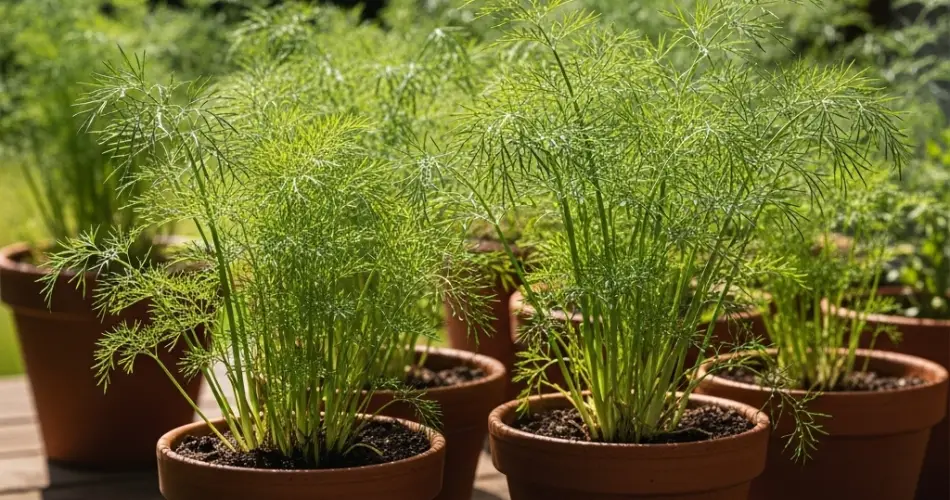
Dill (Anethum graveolens) is a fast-growing, aromatic herb known for its feathery foliage and distinctive flavor. Whether you’re using its leaves (known as dill weed) for seasoning or its seeds for pickling, dill is a versatile addition to your herb garden. While it typically thrives in garden beds, it grows surprisingly well in containers—with the added bonus of being within easy reach on a balcony, patio, or windowsill.
If you want fresh dill for your kitchen without the need for outdoor garden space, growing it in pots is a simple and rewarding option. With a few tips and some attention to its growing preferences, you can cultivate tall, lush dill plants in a container right at home.
Why Grow Dill in Pots?
There are several reasons dill makes a great choice for container gardening:
-
Space-saving: Ideal for balconies, patios, and small gardens.
-
Mobility: Move the pot to follow sunlight or protect the plant from harsh weather.
-
Pest control: Easier to keep dill free from pests in containers.
-
Quick harvest: Dill matures fast and can be harvested within a few weeks.
-
Supports pollinators: The flowers attract beneficial insects like bees and ladybugs.
If you love cooking with fresh herbs, growing dill in pots gives you quick and convenient access to its fragrant leaves whenever you need them.
Choosing the Right Variety
Most dill varieties grow well in containers, but choosing the right type helps ensure better results. Consider these popular cultivars:
-
‘Bouquet’: A common variety grown for both leaves and seeds, and great for pickling.
-
‘Fernleaf’: A compact, slow-bolting type ideal for container gardening.
-
‘Dukat’: Known for its aromatic foliage and strong flavor.
Compact or slow-bolting varieties are generally easier to manage in pots, especially in warm climates where dill tends to bolt (flower and go to seed) quickly.
Selecting the Right Container
Dill has a long taproot and needs room to grow deep and tall. When potting dill, choose a container that is:
-
At least 12 inches deep
-
12–14 inches wide, depending on how many plants you’re growing
-
Equipped with drainage holes to prevent soggy soil
Terracotta or unglazed clay pots are ideal, as they promote airflow and help prevent overwatering. Plastic pots can also work if proper drainage is ensured.
Best Soil Mix for Dill
Dill prefers light, well-draining soil that’s rich in organic matter. Avoid heavy or compacted soil, which can hinder root development and stunt growth.
Create a suitable soil mix using:
-
2 parts all-purpose potting mix
-
1 part compost for nutrients
-
1 part perlite or coarse sand for drainage
Keep the soil pH between 5.5 and 7.0, which is ideal for healthy dill growth.
Planting Dill from Seed
Dill grows best when directly sown into its final container, as it doesn’t transplant well. To plant:
-
Fill the pot with your prepared soil, leaving about an inch from the top.
-
Sow seeds about 1/4 inch deep and 2 inches apart.
-
Cover lightly with soil and mist with water.
-
Keep the pot in a sunny spot and maintain consistent moisture until germination (7–10 days).
Once seedlings are a few inches tall, thin them to about 6 inches apart to give each plant room to grow.
Light and Temperature Requirements
Dill needs full sun to grow tall and bushy. Provide 6–8 hours of direct sunlight per day. If growing indoors, place your pot in a south-facing window or under a grow light.
Ideal temperature range:
-
60–75°F (15–24°C) for optimal growth
-
Protect from strong wind, which can damage its delicate stems
In hot climates, partial afternoon shade may help prevent bolting.
Watering and Feeding
Dill prefers consistently moist but not soggy soil. Water when the top inch of soil feels dry. Always let excess water drain freely to avoid root rot.
Fertilizer isn’t strictly necessary, but you can boost growth with:
-
A diluted balanced liquid fertilizer once every 4–6 weeks
-
Compost tea for an organic option
Avoid overfeeding, as this can reduce the flavor and aroma of the leaves.
Supporting Tall Dill Plants
As dill matures, it can reach heights of 2–3 feet, especially in favorable conditions. To prevent it from toppling over:
-
Use a small stake or bamboo stick to support taller plants
-
Place pots in a sheltered area to avoid strong gusts of wind
Keeping the plants pruned and harvested will also help reduce top heaviness.
Harvesting Dill Leaves and Seeds
You can begin harvesting dill leaves when the plant reaches about 8 inches tall. Use clean scissors to snip outer leaves as needed, and harvest in the morning for the strongest flavor.
-
Don’t harvest more than one-third of the plant at a time.
-
Allow some plants to flower and go to seed if you want to collect dill seed for cooking or replanting.
-
Seeds are ready to harvest when the seed heads turn brown and dry.
To save seeds, cut the seed heads, dry them in a paper bag, and store in a cool, dry place.
Common Problems and Tips
Dill is generally pest-resistant, but watch for:
-
Aphids or caterpillars: Remove by hand or spray with water.
-
Bolting too soon: Happens in hot weather or if plants are overcrowded.
-
Yellowing leaves: Often caused by overwatering or poor drainage.
Refresh the soil annually if keeping dill in the same container, or replant a new crop every few months for a continuous supply.
Final Thoughts
Growing dill in a pot is a simple, space-efficient way to enjoy this fragrant herb right at home. With the right container, soil, sunlight, and a little care, you’ll have fresh dill on hand for pickling, garnishing, or seasoning your favorite dishes. Whether on a balcony, patio, or kitchen windowsill, potted dill adds height, flavor, and freshness to any garden setup.


