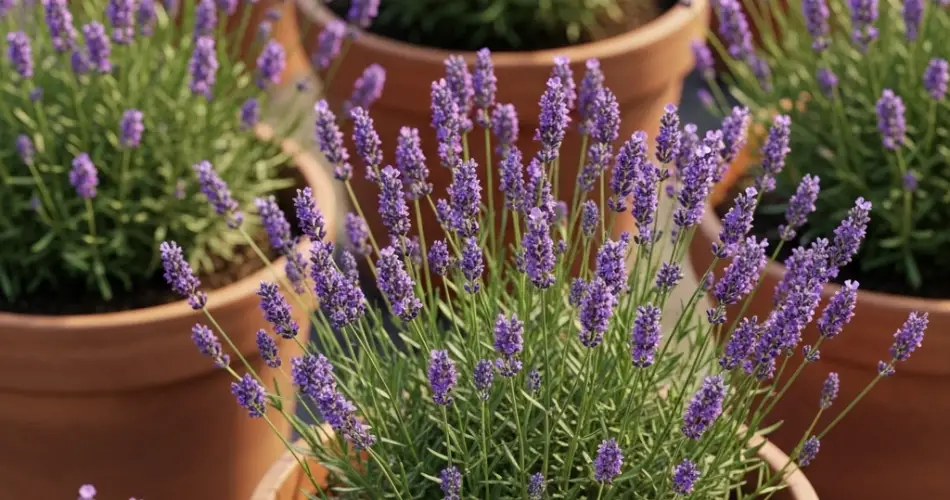
Lavender is a fragrant, versatile herb that adds beauty and aroma to patios, balconies, and indoor spaces. Known for its soothing scent, silvery-green foliage, and purple blooms, lavender is a favorite for both ornamental and practical uses. It attracts pollinators, repels pests, and can be harvested for essential oils, teas, and crafts.
Growing lavender in a pot is a smart way to enjoy this sun-loving herb without needing a garden. Containers allow you to move the plant for optimal sunlight and protection during cold weather. With the right care, your potted lavender can thrive for years, providing stunning blooms and relaxing fragrance.
Why Choose Container Lavender?
Lavender grows well in containers because it thrives in controlled, well-drained environments. In-ground soil can be too heavy or wet, especially in humid climates, which may lead to root rot. A pot lets you fine-tune soil conditions and place the plant exactly where it gets the most sun.
Container growing is also ideal for colder regions where lavender isn’t winter-hardy. You can bring the plant indoors during harsh winters or shelter it in a greenhouse or sunny room.
Best Lavender Varieties for Pots
While all lavender varieties share similar needs, some are better suited for container growing than others due to their size and growth habits. The following are excellent choices:
-
English Lavender (Lavandula angustifolia) – Compact, cold-tolerant, and highly fragrant. Varieties like ‘Hidcote’ and ‘Munstead’ are popular for pots.
-
French Lavender (Lavandula dentata) – Known for decorative, toothed leaves and a longer blooming season.
-
Lavandin (Lavandula x intermedia) – Larger hybrid, ideal for bigger pots and strong scent.
-
Dwarf Lavender – Such as ‘Little Lady’ or ‘Blue Cushion,’ great for small pots or windowsills.
Select a variety based on your climate, space, and intended use—whether ornamental, culinary, or aromatic.
Choosing the Right Pot
Lavender needs room to grow and good airflow around the roots, so choosing the right container is key.
Look for:
-
At least 12 to 16 inches wide and 10 to 12 inches deep
-
Good drainage holes
-
Clay or terra cotta material, which helps wick away excess moisture
Avoid plastic pots that retain water or small containers that dry out too quickly or restrict root growth.
Preparing the Soil
Lavender prefers a light, gritty, and slightly alkaline soil. Standard potting soil is often too dense and moisture-retentive, so you’ll need to modify it.
A good mix includes:
-
2 parts all-purpose potting mix
-
1 part coarse sand or perlite
-
Optional: a handful of crushed eggshells or dolomite lime to increase alkalinity
The goal is to create a fast-draining environment that mimics the dry Mediterranean hills where lavender thrives.
Planting Lavender in a Pot
Once you have your pot and soil ready, follow these steps:
-
Fill the container with prepared soil, leaving about 1–2 inches of space at the top.
-
Gently loosen the roots of your lavender plant if it’s root-bound.
-
Plant it at the same depth as it was in its nursery pot.
-
Firm the soil around the base and water lightly to settle the soil.
Place the pot in a sunny location where it will receive at least 6 to 8 hours of direct sunlight daily.
Watering and Feeding
Lavender is drought-tolerant and prefers to stay on the dry side. Overwatering is one of the most common causes of plant failure in containers.
Tips for watering:
-
Water only when the top 1–2 inches of soil feel dry.
-
Avoid watering the foliage—focus on the base.
-
Ensure water drains freely from the bottom of the pot.
Fertilizing is minimal. Feed with a diluted, balanced liquid fertilizer or compost tea once during early spring. Overfeeding can reduce the essential oil content and affect the scent and flavor.
Pruning and Deadheading
Regular pruning keeps lavender tidy, bushy, and blooming.
-
After the first flowering, trim back flower stalks to just above the foliage.
-
In late summer or early fall, prune again to shape the plant, removing up to one-third of the growth.
-
Avoid cutting into the woody base, as it may not regenerate.
Remove spent flowers regularly (deadheading) to encourage further blooming and maintain the plant’s appearance.
Overwintering Potted Lavender
Lavender can survive winter outdoors in mild climates, but potted plants are more vulnerable to cold because their roots are exposed.
In cold regions:
-
Move the pot to a sheltered, frost-free location (like a cold frame, garage, or bright indoor room).
-
Reduce watering during winter months.
-
Avoid fertilizing until spring growth resumes.
In warm regions, simply protect the plant from excessive rain and humidity during the cooler months.
Common Issues and How to Avoid Them
-
Root rot: Caused by overwatering or poor drainage. Use sandy soil and never let pots sit in water.
-
Leggy growth: Often due to insufficient light. Move the pot to a sunnier location.
-
No blooms: May result from over-fertilization or lack of pruning.
With the right balance of sun, soil, and care, lavender is typically trouble-free.
Final Thoughts
Lavender is a stunning and useful addition to any container garden. Whether you grow it for its calming fragrance, beautiful blooms, or culinary uses, it’s a low-maintenance herb that rewards with charm and versatility. By selecting the right pot, using the proper soil, and providing full sun and careful watering, you can grow healthy lavender that thrives in any space—from a sunny windowsill to a balcony garden.


