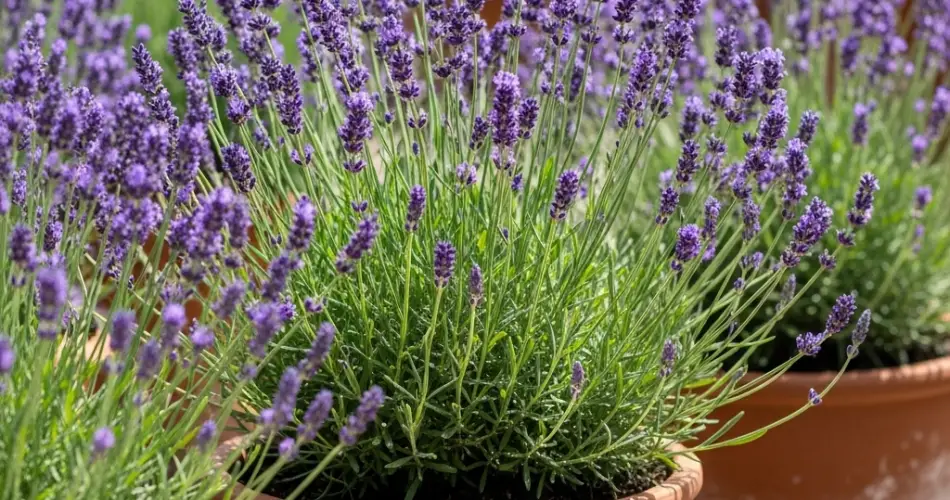
Lavender (Lavandula spp.) is beloved for its soothing fragrance, beautiful blooms, and resilience in dry, sunny climates. Whether you dream of a windowsill scented with calming florals or a patio lined with fragrant purple pots, lavender is surprisingly easy to grow in containers. Potting lavender allows even gardeners with limited space to enjoy this classic Mediterranean herb.
From its calming scent to its versatility in the kitchen and home, lavender adds both charm and function to your space. Here’s how to successfully grow and maintain lavender in pots, even if you’re working with a small balcony or indoor sunlit corner.
Why Grow Lavender in Pots?
Lavender grows naturally in rocky, well-drained soils, making it ideal for container gardening. Growing it in pots gives you better control over soil quality, drainage, and sunlight. Other key benefits include:
-
Mobility: Easily move pots indoors in winter or shift them to sunnier spots.
-
Space-saving: Ideal for patios, balconies, decks, or windowsills.
-
Decorative value: Lavender’s silvery foliage and colorful spikes enhance any setting.
-
Pest-resistance: Its scent deters mosquitoes and other common insects.
With the right conditions, potted lavender thrives with minimal fuss and brings a soothing touch of the Mediterranean to any location.
Best Lavender Varieties for Containers
While most lavender varieties can grow in pots, some perform better due to their size, compact form, and adaptability.
Recommended varieties include:
-
English Lavender (Lavandula angustifolia): Cold-hardy and fragrant; ideal for culinary and aromatic use.
-
French Lavender (Lavandula dentata): Features toothed leaves and long blooming periods; suited to warmer climates.
-
Spanish Lavender (Lavandula stoechas): Compact and ornamental, with distinct “rabbit ear” flowers.
-
Lavandin (Lavandula x intermedia): A hybrid with large blooms and a strong fragrance, best for larger containers.
Choose a variety suited to your climate and intended use—whether it’s making sachets, drying flowers, or attracting pollinators.
Selecting the Right Pot
Lavender thrives in tight spaces as long as the roots don’t sit in water. For best results, choose a container that is:
-
At least 12–16 inches wide and 10–12 inches deep
-
Made of clay or terracotta to allow air and moisture to pass through
-
Equipped with ample drainage holes
Avoid plastic pots unless you can guarantee proper drainage. Place a saucer underneath if growing indoors, but be sure to empty it after watering.
Soil Requirements
Lavender prefers light, sandy, well-draining soil. It does not tolerate heavy or compacted soil, which can lead to root rot.
Create an ideal soil mix by combining:
-
2 parts potting soil (without moisture-retaining additives)
-
1 part coarse sand or perlite
-
Optional: a handful of crushed limestone to raise soil pH slightly
Lavender does best in soil with a pH of 6.5 to 7.5, leaning toward neutral or slightly alkaline conditions.
Sunlight and Temperature
Lavender loves sunshine—make sure your plant receives at least 6 to 8 hours of direct sunlight per day. Outdoors, position pots in a spot that gets full sun. Indoors, a south-facing window is ideal. If you’re short on natural light, use a full-spectrum grow light to keep your lavender healthy.
Lavender prefers dry, warm conditions. It grows best in temperatures between 60–80°F (15–27°C). In cooler regions, bring pots indoors during winter or protect them from frost with insulation.
Watering and Feeding
Lavender is drought-tolerant and doesn’t like “wet feet.” Overwatering is a common mistake. Here’s how to water properly:
-
Water when the top 1–2 inches of soil feel dry.
-
Allow water to drain completely.
-
Avoid watering the foliage; aim for the base of the plant.
Lavender doesn’t need heavy feeding. Too much fertilizer will cause leggy growth and reduce fragrance. Feed once every 6–8 weeks during the growing season with a balanced, slow-release fertilizer or compost tea.
Pruning and Harvesting
Regular pruning keeps lavender compact and encourages bushy, healthy growth. Trim plants lightly after the first bloom in late spring or early summer. After the second bloom in late summer or early fall, cut back again to shape the plant, leaving some green growth above the woody stems.
To harvest:
-
Snip flower spikes when the buds are just beginning to open.
-
Cut early in the morning for the strongest fragrance.
-
Hang upside down in small bunches to dry in a dark, well-ventilated space.
Dried lavender can be used in potpourri, sachets, baking, or herbal infusions.
Common Issues and Solutions
Lavender is relatively low-maintenance, but here are a few tips to avoid common issues:
-
Yellowing leaves: Often caused by overwatering or poor drainage.
-
Leggy stems: Usually due to lack of sunlight—move the plant to a sunnier spot.
-
Root rot: Prevent by using fast-draining soil and a pot with drainage holes.
-
Powdery mildew: Improve air circulation and avoid overhead watering.
Refresh the soil and repot your plant every 1–2 years to prevent compaction and maintain health.
Final Thoughts
Growing lavender in pots is a beautiful and practical way to enjoy this fragrant herb, even in tight spaces. With proper sun, drainage, and occasional trimming, your potted lavender will reward you with calming scent, lovely blooms, and a touch of Mediterranean charm wherever you place it. Whether it’s on a sunny balcony or bright kitchen ledge, lavender in a pot adds grace and function to any space.


