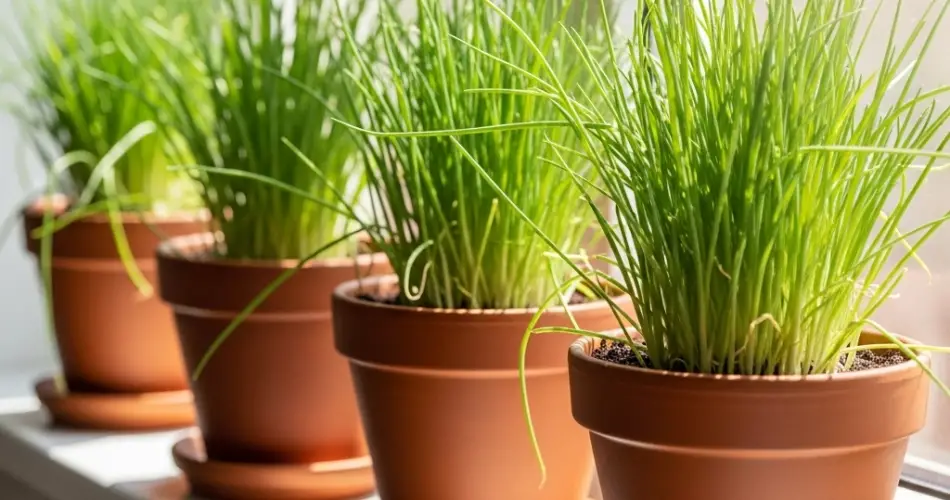
Chives are one of the easiest and most rewarding herbs you can grow in a container. With their mild onion flavor, they’re perfect for garnishing soups, omelets, salads, and baked potatoes. Chives are not only tasty but also attractive, producing slender green leaves and delicate purple flowers that brighten up any kitchen windowsill or balcony.
Container-grown chives are perfect for small-space gardening. Whether you’re growing them indoors by a sunny window or outside on a patio, chives will reward you with constant, fresh harvests. Here’s how to grow and maintain healthy chives in pots all year round.
Why Grow Chives in Pots?
Chives thrive in containers for several reasons. They’re compact, don’t require much depth, and grow well in confined spaces. You can keep a pot of chives right in your kitchen for quick access during cooking. Container growing also helps control soil moisture and reduces the chances of pests and diseases often found in garden beds.
Best of all, chives are perennial in many climates, meaning that once planted, they’ll return year after year with minimal care. In pots, they can live happily for years if divided and refreshed occasionally.
Choosing the Right Container
Chives have a shallow root system, so they don’t need a very deep container. Still, it should allow for healthy root growth and moisture retention.
Choose a pot that is:
-
6 to 8 inches deep
-
8 to 10 inches in diameter
-
Equipped with drainage holes
Terracotta, ceramic, or plastic containers all work well. If you’re growing multiple herbs in a single pot, make sure chives have enough space and light—they don’t like being crowded by more aggressive growers.
Selecting the Best Soil
Chives prefer well-draining, fertile soil with good moisture retention. Use a high-quality, all-purpose potting mix. For better results, mix in a little compost or well-rotted manure to provide extra nutrients.
Ideal soil conditions:
-
Light and loose texture
-
pH between 6.0 and 7.0
-
Moist but not soggy
Avoid using garden soil in pots, as it can compact and hinder root growth. A potting mix designed for vegetables or herbs is ideal.
Light and Temperature Needs
Chives love sunlight. They need at least 6 hours of full sun daily to thrive. If you’re growing chives indoors, place the pot on a south-facing windowsill or use a grow light if sunlight is limited.
Chives grow best in temperatures between 60°F and 75°F (15°C to 24°C) but can tolerate cooler conditions. They are cold-hardy and can survive mild frosts. In warmer climates, provide some afternoon shade to prevent the plant from drying out too quickly.
Planting Chives from Seed or Transplants
Chives can be grown from seed, but they take longer to establish. For faster results, use transplants or divisions from an existing plant.
To plant from seed:
-
Sow seeds about ¼ inch deep in moist potting mix.
-
Keep the soil evenly moist until germination (7–14 days).
-
Thin seedlings to 2–3 inches apart once they’re a few inches tall.
For divisions:
-
Separate a clump from a mature chive plant.
-
Replant in a pot, spacing the clumps to allow for expansion.
Chives form dense clumps over time and can be divided every 2–3 years to rejuvenate the plant.
Watering and Fertilizing
Chives like consistent moisture but dislike soggy roots. Water the pot when the top inch of soil feels dry.
Watering tips:
-
Avoid letting the soil dry out completely.
-
Don’t let the pot sit in standing water.
-
Water deeply and allow it to drain fully.
Feed chives once a month with a diluted liquid fertilizer or compost tea during the growing season. Over-fertilizing can reduce flavor, so go easy on nutrients.
Pruning and Harvesting
Chives are incredibly easy to harvest. Begin snipping once the leaves reach 6 inches tall.
-
Use scissors to cut leaves about 1 inch above the soil line.
-
Always leave at least 2 inches of growth so the plant can continue producing.
-
Harvest from the outside of the clump to promote new center growth.
Regular harvesting keeps the plant vigorous and prevents it from flowering too early. However, if you let it bloom, the purple flowers are edible and make a beautiful garnish.
Overwintering and Long-Term Care
Chives are hardy and go dormant in winter in colder climates. If you’re growing chives outdoors in a pot:
-
Let the plant die back naturally after the first frost.
-
Move the pot to a sheltered area or bring it indoors.
-
Resume watering in early spring when new growth appears.
Indoors, chives can continue growing slowly through winter if kept in a bright, warm spot. Reduce watering and avoid fertilizing during this resting period.
Every 2–3 years, divide and replant chive clumps to prevent overcrowding and ensure continued health.
Common Problems
Chives are relatively pest-resistant but may occasionally attract:
-
Aphids – Spray with water or neem oil.
-
Fungal rot – Caused by overwatering; ensure proper drainage.
-
Yellowing leaves – Often due to lack of light or poor soil nutrition.
With good airflow, proper watering, and ample light, chives rarely suffer from serious problems.
Final Thoughts
Chives are the perfect container herb—easy to grow, flavorful, and attractive. With minimal effort, you can enjoy a continuous supply of fresh greens right from your kitchen or patio. Whether you’re a seasoned gardener or a beginner with a small apartment space, potted chives are a practical and rewarding addition to any home.


