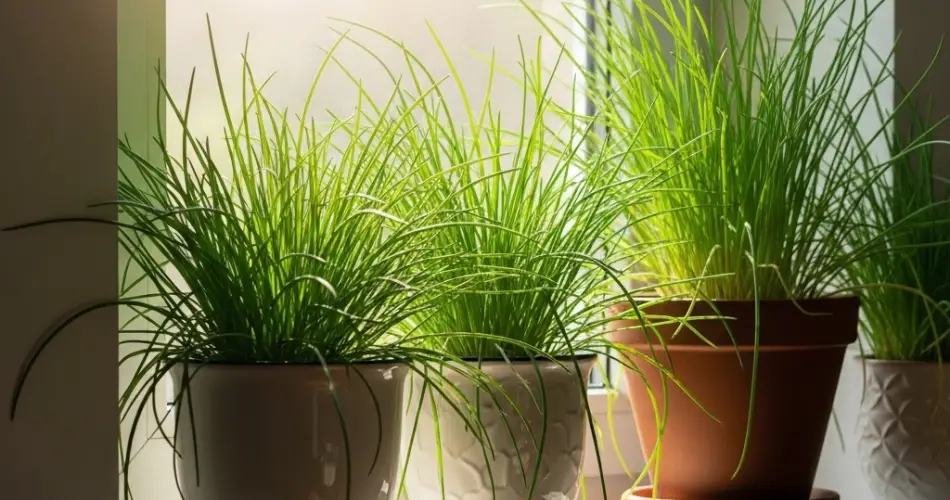
Chives (Allium schoenoprasum) are a versatile and easy-to-grow herb that every home cook should have within reach. Known for their mild onion flavor and fine, grass-like leaves, chives are perfect for garnishing eggs, salads, potatoes, soups, and many other dishes. Best of all, chives are incredibly well-suited for container growing and can thrive year-round on a sunny kitchen windowsill.
If you’re looking to add a low-maintenance, productive herb to your indoor garden, growing chives in a pot is an excellent choice. Here’s a complete guide to help you grow, care for, and harvest fresh chives right from your windowsill.
Why Grow Chives Indoors?
Chives are among the easiest culinary herbs to grow indoors. Here are some of the benefits:
-
Compact and tidy: Chives grow in upright clumps and don’t sprawl, making them perfect for small pots.
-
Year-round harvest: With enough light, you can enjoy fresh chives even during winter.
-
Quick regrowth: Chives recover quickly after each harvest, providing a steady supply.
-
Low maintenance: They don’t require much attention beyond watering and trimming.
-
Flavor at your fingertips: Snip what you need directly into your dishes—no trip to the store needed.
Selecting the Right Variety
There are two main types of chives:
-
Common Chives (Allium schoenoprasum): The most popular type, with thin green leaves and purple pom-pom flowers. These are ideal for culinary use.
-
Garlic Chives (Allium tuberosum): These have flat leaves and a subtle garlic flavor, often used in Asian cuisine.
Both can be grown indoors in containers, so the choice depends on your flavor preference and cooking style.
Choosing the Best Container
Chives don’t need a large or deep container, but drainage is essential. Select a pot that is:
-
6–8 inches deep
-
6–10 inches wide
-
Equipped with drainage holes
A terracotta or ceramic pot works well, as these materials allow the soil to breathe. Place a saucer underneath to catch excess water if growing indoors.
Soil Requirements
Chives prefer rich, well-draining soil. For best results:
-
Use a high-quality potting mix (not garden soil).
-
Add organic compost or worm castings to enrich the mix.
-
Avoid overly sandy or dense soil that doesn’t hold moisture well.
Ideal soil pH ranges from 6.0 to 7.0, slightly acidic to neutral.
Planting Chives
You can start chives from seeds, seedlings, or by dividing an established clump. For indoor growing, using transplants or divisions is the quickest way to establish your pot.
From seed:
-
Sow seeds 1/4 inch deep.
-
Keep soil consistently moist until germination (7–14 days).
-
Thin seedlings once they’re a few inches tall, leaving 1–2 inches between plants.
From division:
-
Separate a healthy clump from an existing plant.
-
Replant in your container and water thoroughly.
Light and Temperature Needs
Chives need plenty of light to grow well indoors. Place your pot on a south- or east-facing windowsill that gets at least 6 hours of direct sunlight daily.
If natural light is limited, consider using a full-spectrum LED grow light to supplement. Chives prefer temperatures between 60–75°F (15–24°C) and can tolerate some fluctuation, but avoid placing them near drafty windows or heating vents.
Watering and Fertilizing
Chives like consistently moist soil, but not soggy. Allow the top inch of soil to dry out slightly between waterings.
-
Water at the base to avoid fungal problems.
-
Empty the saucer after watering to prevent root rot.
Fertilize every 4–6 weeks using a diluted liquid fertilizer or compost tea. Too much fertilizer can reduce the intensity of the herb’s flavor.
Harvesting Chives
Begin harvesting once the plant is about 6 inches tall. Use scissors to snip leaves about 1 inch above the soil, cutting only what you need.
Harvesting tips:
-
Trim from the outside in, leaving central leaves to continue growing.
-
Regular harvesting encourages fresh, tender regrowth.
-
Remove any flower stalks to focus energy on leaf production.
Chive blossoms are edible and have a mild onion flavor—great for garnishing salads.
Maintaining Your Indoor Chives
Chives are long-lived perennials and can continue growing indoors for years with proper care. To keep your plant healthy:
-
Divide the clump every 1–2 years to prevent overcrowding.
-
Refresh the soil annually by removing the top few inches and replacing it with fresh compost or potting mix.
-
If your chives become weak or sparse, cut them back completely and let them regrow.
Culinary Uses
Chives bring a gentle onion flavor and a burst of green color to many dishes. Use fresh chives in:
-
Scrambled eggs and omelets
-
Mashed or baked potatoes
-
Cream cheese or butter spreads
-
Soups, especially potato or cream-based
-
Fish and poultry dishes
-
Salads and salad dressings
To preserve, chop fresh chives and freeze them in ice cube trays with water or oil. Dried chives lose much of their flavor and are best avoided if fresh ones are available.
Final Thoughts
Growing chives in a pot on your windowsill is a simple and satisfying way to add freshness and flavor to your cooking. With just a bit of sunlight, regular watering, and occasional trimming, chives will reward you with consistent growth and a never-ending source of green goodness. Perfect for beginner and experienced gardeners alike, this hardy herb is a must-have in any indoor herb garden.


