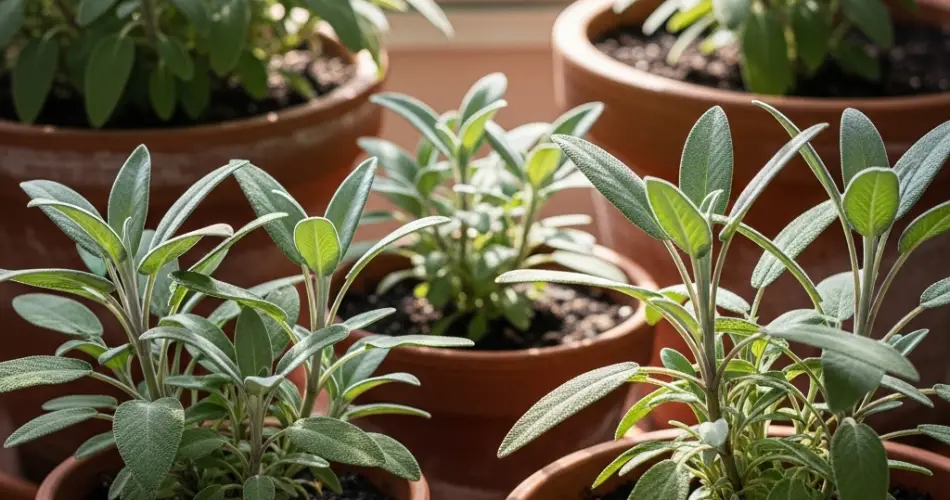
Sage is a beloved perennial herb with soft, aromatic leaves and a robust, earthy flavor that enhances poultry, stuffings, sauces, and herbal teas. Aside from its culinary uses, sage is also valued for its attractive foliage and medicinal properties. Growing sage in containers is a smart choice for home gardeners, especially those with limited space or less-than-ideal soil.
Sage thrives in pots when given the right conditions and a little ongoing care. This guide covers everything you need to know to keep sage happy, healthy, and productive in your container garden.
Why Grow Sage in Containers?
Growing sage in pots offers several benefits. Containers make it easy to control the soil type, moisture levels, and sun exposure. Sage doesn’t like overly wet or compacted soil, which is common in ground beds, so pots allow you to provide the dry, well-draining environment it prefers.
Container gardening also helps prevent disease by improving air circulation around the plant. You can easily move potted sage indoors during winter in colder climates or shift it around your patio or balcony to catch the best sunlight.
Choosing the Right Sage Variety
There are several types of sage, but for most home cooks and gardeners, common sage (Salvia officinalis) is the go-to variety. It has gray-green leaves and a bold flavor used in cooking.
Other popular varieties include:
-
Purple Sage – Decorative, with a slightly milder flavor.
-
Golden Sage – Variegated leaves with yellow and green tones.
-
Tricolor Sage – A showy variety with cream, green, and purple leaves.
-
Pineapple Sage – Fruity scent, more ornamental, and produces red flowers that attract pollinators.
Choose one based on whether you want culinary usefulness, ornamental value, or both.
Picking the Perfect Container
Sage grows well in medium-sized pots. Look for a container that is:
-
At least 10 to 12 inches in diameter
-
8 to 10 inches deep
-
Made of terra cotta or unglazed ceramic to promote soil drying
-
Has drainage holes at the bottom
Avoid crowding multiple herbs in the same container as sage prefers space and good airflow around it. One plant per pot is ideal for optimal growth and easy maintenance.
Best Soil for Sage
Sage prefers a light, sandy, and well-draining soil. Avoid heavy or moisture-retentive soil that can lead to root rot. A good mix might include:
-
2 parts quality potting mix
-
1 part coarse sand or perlite
You can also add a small amount of compost or worm castings for nutrition, but keep it minimal—sage doesn’t need rich soil to thrive. Aim for a pH between 6.0 and 7.0, which is slightly acidic to neutral.
Light and Temperature Requirements
Sage is a sun-loving herb. It needs 6 to 8 hours of direct sunlight daily. If you’re growing indoors, place the pot near a south-facing window or under a grow light.
Outdoors, sage prefers warm, dry conditions and can tolerate some wind. If your climate is humid or has lots of rain, consider placing the pot in a sheltered spot with good air circulation.
Sage does best in temperatures between 60°F and 80°F (15°C to 27°C). It can handle some frost once mature, but young plants should be protected during cold snaps.
Watering and Feeding
Sage is drought-tolerant once established and prefers to be on the dry side. Overwatering is one of the most common mistakes.
-
Water when the top 1–2 inches of soil feel dry.
-
Water deeply but allow the pot to drain thoroughly.
-
Avoid letting the pot sit in a saucer of standing water.
As for feeding, sage is a light feeder. Fertilize every 6–8 weeks with a diluted, balanced liquid fertilizer or compost tea. Over-fertilizing can lead to leggy growth and weakened flavor.
Pruning and Harvesting Sage
Regular pruning keeps your sage plant compact, encourages new growth, and prevents it from becoming woody.
-
Begin harvesting once the plant has reached about 6 inches in height.
-
Use clean scissors to cut stems just above a leaf node.
-
Pinch off flower buds if your goal is to maximize leaf production. Flowering often leads to a decline in leaf flavor.
Harvest up to one-third of the plant at a time. For drying, cut longer stems in the morning and hang them in a well-ventilated area out of direct sunlight.
Overwintering and Long-Term Care
Sage is a perennial in USDA zones 5–9, but container plants are more vulnerable to cold because the roots are exposed. If you live in a region with harsh winters:
-
Bring the container indoors before the first frost.
-
Place it in a sunny window or under grow lights.
-
Water sparingly—sage goes semi-dormant in winter and doesn’t need much moisture.
In spring, refresh the soil and trim back any dead or leggy growth to encourage a fresh flush of leaves.
Common Problems and Solutions
-
Yellow leaves: Often due to overwatering or poor drainage.
-
Powdery mildew: Appears in humid conditions—improve airflow and avoid overhead watering.
-
Spindly growth: Usually caused by insufficient sunlight—relocate to a sunnier spot.
-
Aphids or spider mites: Rare but manageable with neem oil or insecticidal soap.
Proper spacing, light, and drainage go a long way in preventing most issues.
Final Thoughts
Sage is a hardy, flavorful, and visually appealing herb that’s perfectly suited to container gardening. Whether you’re growing it for cooking, tea, or simply its beauty and fragrance, a potted sage plant can provide years of harvests with minimal effort. With well-drained soil, plenty of sunshine, and light watering, sage will continue to thrive and bring life to your garden—and your meals.


