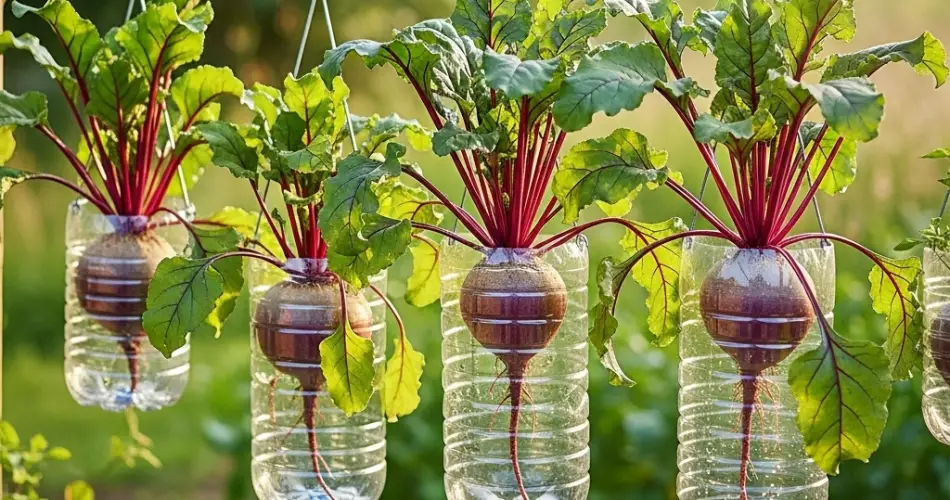
Beetroots are nutritious, colorful root vegetables that are surprisingly easy to grow—even in unconventional setups. One innovative method gaining popularity among urban gardeners is vertical gardening using hanging plastic bottles. This space-saving technique is ideal for small balconies, patios, or areas where horizontal growing space is limited. With just a few recycled bottles and some creativity, you can cultivate healthy beets right at home.
Growing beets vertically not only helps maximize space, but it also improves drainage, reduces soil-borne pests, and brings a modern twist to traditional gardening. This article will guide you through the process of growing beets in hanging bottles—from setup to harvest.
Why Grow Beets Vertically?
Vertical gardening has many advantages, especially for root vegetables like beetroot:
-
Efficient use of space: Ideal for small gardens, apartments, or balconies.
-
Better drainage: Reduces risk of root rot by allowing excess water to escape.
-
Cleaner crops: Keeps soil and debris away from leaves and roots.
-
Improved air circulation: Minimizes disease risks.
-
Upcycled materials: Utilizes discarded bottles, making it an eco-friendly method.
While most root crops are traditionally grown in deep garden beds, beets adapt well to containers as long as they have enough depth to form their bulbs properly.
Materials You’ll Need
To start your hanging bottle garden, you’ll need:
-
Plastic bottles (1.5 to 2-liter size)
-
Sharp utility knife or scissors
-
Potting soil
-
Compost or organic fertilizer
-
Beetroot seeds
-
Rope, wire, or strong twine
-
Nail or heated metal rod (for drainage holes)
Choose sturdy bottles, preferably with wide bottoms, to give the roots ample growing space.
Preparing the Bottles
-
Clean thoroughly: Rinse out bottles and remove any labels or residue.
-
Cut an opening: Make a horizontal slit along one side of each bottle (about 4–5 inches wide and 3 inches deep) to act as the planting area.
-
Puncture drainage holes: Use a nail or heated metal rod to make small holes at the bottom of the bottle to allow excess water to drain.
-
Create hanging points: Punch two small holes on the top end of the bottle, opposite the planting slit. Thread rope or wire through the holes to hang the bottle securely.
You can hang bottles vertically in rows on a wall, fence, or wooden frame using nails, hooks, or a rack system.
Soil Preparation and Planting
Beets grow best in loose, fertile soil that drains well and is free of rocks or compacted material. Since root formation is critical, the right soil mix is key.
Ideal mix:
-
2 parts high-quality potting soil
-
1 part compost or aged manure
-
Optional: Add perlite or coco coir to improve drainage and aeration
-
Fill each bottle about three-quarters full with your soil mix.
-
Sow 2–3 beetroot seeds per bottle, spaced about 2 inches apart. Thin them to the strongest seedling after germination.
-
Cover seeds lightly with soil and water gently.
Beet seeds usually germinate within 5–10 days, depending on temperature.
Light, Water, and Temperature Requirements
-
Sunlight: Beets need at least 4–6 hours of sun per day. Hang the bottles where they receive plenty of light—east- or south-facing walls are ideal.
-
Watering: Keep the soil consistently moist but not soggy. Because bottles dry out faster than garden beds, monitor moisture levels closely, especially in hot weather.
-
Temperature: Beets grow best in cool to moderate climates, ideally between 50°F and 75°F (10°C to 24°C). In warmer regions, grow beets in the cooler months or provide partial shade during peak heat.
Mulching with a bit of dried leaves or shredded newspaper inside the bottle can help regulate soil temperature and moisture.
Feeding and Maintenance
Beets don’t require heavy feeding but benefit from some additional nutrients:
-
Apply a balanced liquid fertilizer (like 10-10-10) once or twice during the growing season.
-
Avoid excessive nitrogen, which encourages leaf growth at the expense of root development.
-
Regularly check for pests like aphids or leaf miners. Use neem oil or insecticidal soap if needed.
As the plants grow, you’ll notice their round bulbs beginning to swell just beneath the soil surface. Some beet varieties naturally push their shoulders above the soil, which is normal.
Harvesting Beets from Bottles
Beets are usually ready for harvest 6–8 weeks after planting, depending on the variety and growing conditions. Ideal beet size ranges from 1.5 to 3 inches in diameter. Smaller beets are more tender and flavorful.
To harvest:
-
Gently pull the plant from the bottle, holding the base of the stems.
-
Shake off excess soil.
-
Trim off the leaves, leaving about 1 inch of stem to prevent bleeding during cooking.
The leaves are also edible and nutritious—use them in salads, soups, or sautés.
Final Thoughts
Vertical beetroot gardening using hanging bottles is a clever and sustainable way to grow fresh vegetables at home. It makes excellent use of vertical surfaces and brings gardening to those who might otherwise lack space. With minimal materials and a bit of care, you can enjoy homegrown beets that are as delicious as they are eco-friendly. Whether you’re new to gardening or a seasoned enthusiast, this DIY setup adds both beauty and bounty to your urban garden.


