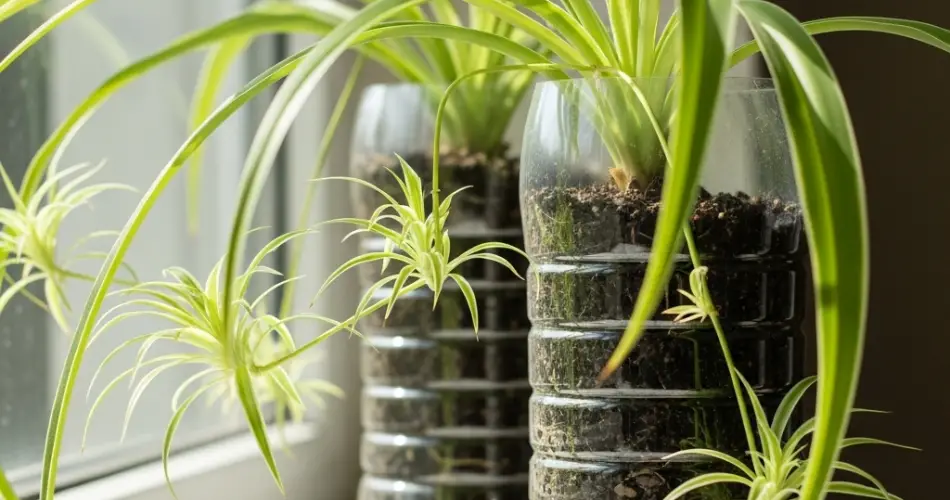
Spider plants (Chlorophytum comosum) are well-known for their elegant arching leaves, air-purifying properties, and adaptability. They’re one of the easiest houseplants to grow and propagate—making them perfect for urban gardeners, especially those looking to reduce plastic waste and maximize space. With just a few simple materials and a bit of creativity, you can transform discarded plastic bottles into stylish, low-cost planters for growing healthy spider plants in any city space.
Whether you’re gardening on a balcony, windowsill, or kitchen counter, plastic bottle planters offer a compact, eco-friendly way to bring greenery into urban life. Here’s a complete guide to creating your own urban spider plant garden using recycled bottles.
Why Spider Plants Work Well in Bottles
Spider plants thrive in containers of all shapes and sizes. They are hardy, adaptable to different lighting conditions, and grow quickly. One of their best features is their ability to produce “pups”—small offshoots that can be rooted and grown into new plants. This makes them perfect for propagation and growing multiple plants in a small area.
Plastic bottles make excellent planters for spider plants because they’re lightweight, easily shaped, and transparent—allowing you to monitor root health and moisture levels. Plus, using bottles helps reduce household plastic waste.
Materials You’ll Need
-
1–2 liter plastic bottles
-
Sharp scissors or a craft knife
-
Potting mix (well-draining, multipurpose or indoor plant mix)
-
Spider plant pups or small mature plants
-
Pebbles or small rocks (optional, for drainage)
-
Optional: twine, paint, or fabric for decoration
-
A small nail or skewer (to create drainage holes)
Step-by-Step Instructions
1. Prepare the Bottle
Choose a clean, dry plastic bottle. Cut the bottle horizontally about halfway up to create a container. You can use the bottom half as the planter or invert the top half into the base to create a self-watering design.
If using just the bottom part, poke 3–4 small holes in the bottom for drainage. If you prefer a hanging design, use a heated nail or skewer to poke two holes near the top rim and thread twine or string through them to create a hanger.
2. Create a Drainage Base (Optional but Recommended)
Although spider plants don’t mind slightly moist soil, they don’t like waterlogged roots. Add a 1-inch layer of small stones or pebbles at the bottom of the bottle planter to help prevent overwatering. If using a self-watering setup, add a wick (cotton string or a thin strip of cloth) that hangs into the water reservoir below.
3. Add Potting Mix
Fill the bottle about two-thirds with well-draining potting mix. Spider plants don’t need specialized soil but benefit from a mix that drains quickly. A blend of peat, compost, and perlite works well.
4. Plant the Spider Pup
Gently remove a spider plant pup from the parent plant. Look for pups that already have small visible roots, which will adapt more easily. If your pup doesn’t have roots yet, it will still root successfully in moist soil or water.
Insert the base of the pup into the soil and gently firm it in place. Water the soil lightly until it’s evenly moist but not soggy.
Caring for Bottle-Grown Spider Plants
Light: Spider plants enjoy bright, indirect light. They can tolerate low light but grow best near east or west-facing windows. Avoid direct midday sun, which can scorch the leaves.
Watering: Water when the top inch of soil feels dry. Plastic bottles retain moisture longer than clay pots, so be cautious not to overwater. Use the transparency of the bottle to monitor moisture levels at the base.
Humidity: Spider plants appreciate moderate humidity but tolerate dry air. Mist the leaves occasionally or place the planter near other plants to create a mini-humid microclimate.
Feeding: Use a diluted houseplant fertilizer once a month during the growing season (spring and summer). Avoid over-fertilizing, as this can cause brown leaf tips.
Pruning and Grooming: Trim brown or yellow leaves as needed to keep your plant tidy. If the plant produces pups, you can leave them attached or snip and root them in another bottle for a continuous garden.
Creative Ways to Display Your Bottle Garden
-
Wall Planters: Attach bottle planters to a wooden pallet or vertical grid to create a living wall of spider plants.
-
Hanging Garden: Suspend multiple bottles at different heights using string or macramé holders for a dynamic display.
-
Windowsill Collection: Line up bottle planters along a windowsill for a sunlit, green arrangement.
-
Painted Designs: Paint or wrap bottles with twine, burlap, or colorful fabric for a personalized touch.
Final Thoughts
Creating an urban garden with spider plants and recycled plastic bottles is a practical and eco-conscious way to add greenery to your home. These hardy, forgiving plants make it easy for beginners to succeed, while the upcycled containers offer a stylish solution to limited space and waste reduction. With just a few tools and some creativity, you can build a lush, vibrant spider plant garden that’s perfect for city living.
Whether you’re growing one plant or dozens, bottle gardening with spider plants proves that sustainable gardening can be both functional and beautiful.


