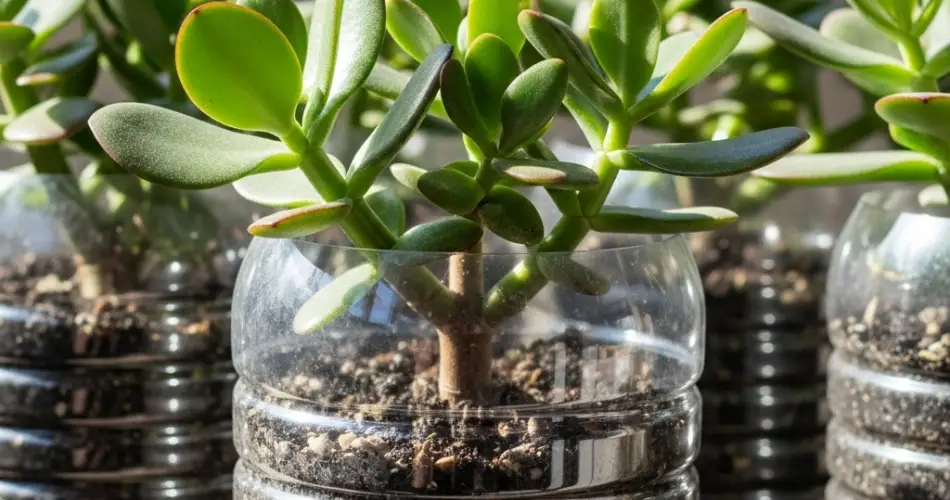
Jade plants (Crassula ovata) are popular succulents known for their plump, glossy green leaves and tree-like structure. These charming and hardy plants are perfect for indoor gardens, especially in small spaces where low-maintenance greenery is desired. If you’re looking to start a mini succulent garden in a fun and eco-friendly way, creating a jade plant starter kit using recycled plastic bottles is a simple, cost-effective, and sustainable solution.
This guide walks you through the process of growing jade plants in plastic bottles—ideal for windowsills, desks, or compact apartment corners. With minimal care and a few household materials, you can build a lovely indoor garden while giving a second life to used bottles.
Why Grow Jade Plants in Bottles?
Jade plants are drought-tolerant, compact, and slow-growing, making them ideal for small indoor containers. Their thick, water-storing leaves help them survive with little maintenance, and they adapt well to container life. Using recycled bottles to plant jade cuttings offers an excellent way to start a personal garden while reducing plastic waste.
This setup works great for propagation, gifting, or as a fun indoor gardening project for beginners.
Choosing the Right Bottle
Start with a clear plastic bottle—soda or water bottles work well. A 1-liter size is perfect for individual cuttings, while larger bottles can accommodate a few more. Transparent bottles allow you to observe root growth, although covering the outside is recommended to protect roots from light.
Preparing your bottle:
-
Clean thoroughly to remove labels and residue.
-
Cut the bottle about one-third from the top.
-
Make drainage holes in the base using a heated pin or small knife.
-
Decorate or wrap the outside with fabric, jute, or paper to block light and add aesthetic value.
You may also add a few small stones to the bottom to improve drainage and stability.
The Right Soil for Jade Plants
Jade plants require fast-draining soil to avoid moisture buildup around their roots. A succulent or cactus mix is ideal. Alternatively, you can make your own by blending:
-
2 parts potting soil
-
1 part coarse sand or perlite
-
1 part coconut coir or crushed dried leaves
This mix ensures adequate drainage while maintaining the structure needed to support the plant’s thick roots.
Planting Jade Cuttings in a Bottle
Jade plants are easily propagated from leaf or stem cuttings. Starting your bottle garden with cuttings is both budget-friendly and fun.
To plant jade in a bottle:
-
Take a healthy stem cutting (around 3–4 inches long) or a thick, mature leaf.
-
Allow the cutting to dry for 1–2 days until the cut end calluses over. This prevents rot when planted.
-
Fill your bottle planter with the prepared soil mix.
-
Insert the cutting into the soil about 1 inch deep, with the calloused end down.
-
Lightly mist or water the soil—just enough to keep it slightly moist.
Place your bottle garden in a warm, bright location, but avoid direct sunlight during the hottest part of the day.
Light, Temperature, and Placement
Jade plants prefer bright, indirect light and can tolerate some direct morning sun. A windowsill that receives filtered light or a well-lit room is ideal.
-
Temperature range: 65–75°F (18–24°C)
-
Avoid: Cold drafts, frost, or prolonged direct afternoon sun through glass
If growing multiple cuttings in bottles, rotate them occasionally to promote even growth and avoid leaning.
Watering and Maintenance
Overwatering is the most common mistake when caring for jade plants in small containers. Since plastic bottles retain moisture longer than clay pots, it’s crucial to let the soil dry out between waterings.
Watering tips:
-
Water only when the top 1–2 inches of soil are dry.
-
During cooler months, reduce watering frequency to once every 2–3 weeks.
-
Always drain excess water—never let the planter sit in it.
Avoid misting the leaves frequently, as jade plants don’t require high humidity and prefer dry conditions.
Fertilizing for Healthy Growth
Jade plants don’t need much fertilizer, but a small boost during the growing season (spring and summer) can encourage stronger growth.
-
Use a balanced, diluted liquid fertilizer once a month.
-
Avoid fertilizing during fall and winter when the plant’s growth slows.
Styling and Display Ideas
Recycled bottle planters can be both functional and stylish:
-
Mini kits: Group several bottles together for a clustered jade garden.
-
Vertical racks: Hang bottles on a wooden frame to create a living wall.
-
Personalized gifts: Decorate each bottle and give them away as plant starter kits.
Adding name tags or plant care tips to each container can also make it more engaging and beginner-friendly.
Repotting and Long-Term Care
As your jade plant grows, its roots will eventually need more room. When roots begin circling the inside of the bottle or growth slows, it’s time to transplant to a larger container.
Repotting steps:
-
Gently remove the plant, preserving as many roots as possible.
-
Shake off old soil and trim any dead roots.
-
Move to a new container with fresh succulent soil.
-
Water lightly and return the plant to a bright location.
Final Thoughts
Creating a jade plant starter kit with recycled bottles is a fun, eco-friendly way to grow indoor greenery. These charming succulents offer beauty, simplicity, and sustainability all in one. Whether you’re beginning your succulent journey or adding to an existing collection, bottle-grown jade plants are a rewarding choice for any indoor gardener. With minimal care, your mini jade garden will thrive and brighten your space for years to come.


