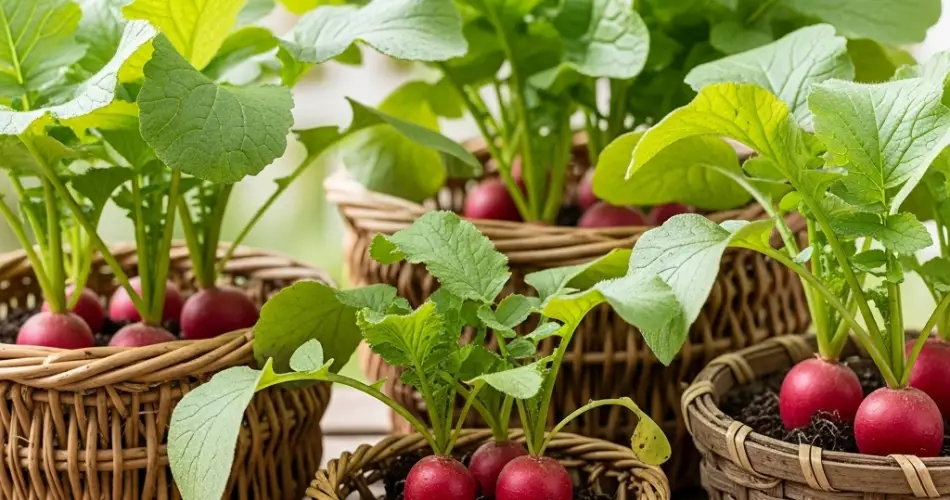
Radishes are one of the easiest and fastest-growing vegetables, making them perfect for urban gardening and small-space cultivation. Compact, nutritious, and versatile, radishes thrive in containers, window boxes, and baskets, allowing city gardeners to enjoy fresh, crisp roots even without a traditional garden plot. With the right soil, watering, and care techniques, radishes can provide multiple harvests in a small area, making them a staple for urban gardeners.
Why Radishes Are Ideal for Urban Gardens
Radishes are naturally suited to container gardening due to their shallow root systems and rapid growth. Typically ready to harvest within three to six weeks, they allow gardeners to enjoy quick results, perfect for beginners and busy urban dwellers. Urban gardeners benefit from:
-
Space Efficiency – Radishes grow well in small containers, window boxes, or even hanging planters.
-
Fast Harvests – Short growing cycles provide multiple harvests in a single season.
-
Nutritional Value – Rich in vitamin C, fiber, and antioxidants, radishes are a healthy addition to any diet.
-
Low Maintenance – They require minimal care compared to larger vegetable crops.
Choosing Containers for Radishes
Radishes need containers that are at least 6–8 inches deep to accommodate their roots. The diameter depends on how many plants you intend to grow, but even narrow window boxes or small baskets can support multiple radishes. Ensure your container has drainage holes to prevent waterlogging, which can cause root rot. Lightweight, portable containers allow you to move plants for optimal sunlight or protection from extreme weather.
Preparing the Best Soil Mix
Healthy radish growth depends on loose, well-draining, nutrient-rich soil. Compacted or heavy soil can hinder root development and produce misshapen radishes. A recommended soil mix includes:
-
40% Organic Compost – Supplies essential nutrients and improves soil structure.
-
30% Loamy Garden Soil – Adds stability and natural minerals.
-
20% Coconut Coir or Peat Moss – Retains moisture while keeping soil light.
-
10% Perlite or Vermiculite – Ensures proper aeration and prevents compaction.
Mix these ingredients thoroughly to create a light, airy medium that allows radish roots to expand freely. This soil also retains enough moisture to support steady growth without becoming waterlogged.
Planting Radishes in Small Spaces
Sow radish seeds directly into your prepared container or basket. Plant seeds about ½ inch deep and space them 1–2 inches apart. Once seedlings emerge, thin them to 2–3 inches apart to prevent overcrowding. Overcrowding can result in small, poorly formed roots, so thinning is essential for optimal harvests.
Watering and Sunlight Requirements
Radishes prefer consistent moisture. Water containers regularly to keep soil evenly damp, but avoid overwatering. Radishes dry out quickly in small containers, especially during hot weather, so monitor soil moisture closely.
These vegetables thrive in full sun, requiring at least 4–6 hours of sunlight daily. If growing indoors or in shaded areas, supplement with grow lights to ensure healthy foliage and root development.
Fertilizing Radishes
Radishes are relatively low-maintenance when it comes to fertilization. Incorporate compost into your soil for initial nutrients. If necessary, feed plants with a balanced liquid fertilizer once or twice during the growing cycle. Avoid excessive nitrogen, as this promotes leafy growth at the expense of root development.
Harvesting Radishes
Radishes are typically ready to harvest three to six weeks after sowing, depending on the variety. Harvest roots when they are firm, crisp, and about 1 inch in diameter. Pull gently to avoid damaging surrounding plants. Frequent harvesting encourages continuous production and allows multiple sowings throughout the growing season.
Troubleshooting Common Issues
-
Misshapen Roots – Often caused by compacted soil or overcrowding. Ensure proper soil texture and adequate spacing.
-
Bitter Flavor – Can occur if radishes are left in the soil too long. Harvest promptly when mature.
-
Pests – Aphids and flea beetles may affect radish leaves. Use organic sprays or companion planting to deter pests naturally.
Conclusion
Growing radishes in small urban spaces is simple, rewarding, and highly productive. With the right container, nutrient-rich soil mix, consistent watering, and proper sunlight, even the smallest balcony or patio can yield crisp, flavorful radishes. By practicing successive sowing and proper plant care, urban gardeners can enjoy multiple harvests of fresh radishes throughout the season. Compact, nutritious, and fast-growing, radishes prove that urban gardening can be both practical and satisfying, transforming limited spaces into lush, productive vegetable gardens.


