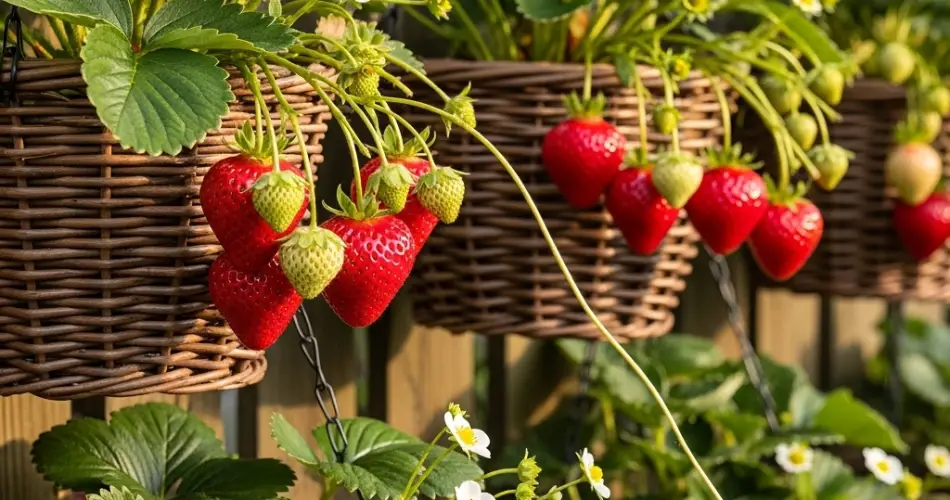
For gardeners with limited outdoor space, baskets provide an easy and efficient way to grow sweet, juicy strawberries. Whether on a balcony, patio, or windowsill, container-grown strawberries can deliver fresh fruit without the need for a traditional garden bed. With proper care, strawberry baskets offer continuous harvests, vibrant greenery, and a rewarding gardening experience.
Why Baskets Are Ideal for Strawberries
Baskets are perfect for strawberries because they provide excellent drainage, airflow, and flexibility. Elevating plants off the ground helps prevent soil-borne diseases and reduces pest issues. Baskets are also easy to move, allowing gardeners to adjust placement for maximum sunlight exposure or protection from harsh weather. Hanging baskets, tabletop baskets, or wire baskets lined with coco coir or breathable fabric are all suitable options, combining practicality with aesthetic appeal.
Choosing the Right Basket
The right basket makes all the difference for healthy strawberries. Choose a container at least 10–12 inches deep and wide enough to accommodate 3–5 plants comfortably. Ensure proper drainage with multiple holes, and line the basket with coconut coir, moss, or a breathable fabric to retain moisture while preventing soil from escaping. Lightweight baskets are especially convenient for hanging or repositioning as needed.
Selecting Strawberry Varieties
There are several types of strawberries, each suited for different growing preferences:
-
June-bearing varieties produce a single large harvest in early summer.
-
Ever-bearing types yield fruit in smaller batches throughout the growing season.
-
Day-neutral varieties produce berries continuously as long as temperatures remain moderate.
For baskets, compact varieties or alpine strawberries are ideal, as they thrive in containers, produce abundant fruit, and remain manageable in size.
Preparing the Soil
Strawberries thrive in nutrient-rich, well-draining soil. Use high-quality potting mix blended with compost or well-rotted organic matter to provide essential nutrients. The soil should be slightly acidic to neutral, with a pH between 5.5 and 6.8. Adding a slow-release organic fertilizer at planting supports early growth, while supplemental feeding with liquid compost or organic fertilizer every two to three weeks promotes healthy foliage and abundant fruit.
Planting Strawberries in Baskets
Planting strawberries in baskets is straightforward if done carefully:
-
Fill the basket with soil, leaving about 2 inches from the rim.
-
Create holes spaced 6–8 inches apart for each plant.
-
Position plants so the crown—the point where leaves emerge—is level with the soil surface. Planting too deep or shallow can hinder growth.
-
Firm the soil gently around the roots and water thoroughly to settle the plants.
Caring for Basket-Grown Strawberries
Strawberries in baskets need consistent care for optimal growth. Keep the soil evenly moist without overwatering, as waterlogged roots can lead to rot. Mulch with straw or coco coir to maintain moisture and keep fruit clean. Place baskets where plants receive at least 6–8 hours of sunlight daily. In very hot climates, provide partial afternoon shade to prevent leaf scorching. Regularly remove dead leaves, runners you do not wish to propagate, and old flowers to encourage continuous fruiting and prevent disease.
Fertilizing for Continuous Harvests
Feed your basket-grown strawberries regularly to support both leaf and fruit development. Use a balanced liquid fertilizer or compost tea every two to three weeks. Avoid fertilizers high in nitrogen, which can promote excessive leaf growth at the expense of fruit production. Proper nutrition ensures larger, sweeter berries throughout the season.
Harvesting Strawberries
Strawberries are ready to pick when fully red and firm. Gently twist or pinch the stem just above the fruit to avoid damaging the plant. Frequent harvesting encourages continuous fruit production, particularly in ever-bearing and day-neutral varieties. Strawberry leaves are also edible and nutritious, making them a great addition to salads or smoothies while leaving the roots to continue producing.
Pest and Disease Management
Baskets help reduce many common strawberry pests, but vigilance is still important. Aphids, slugs, birds, and fungal infections can occasionally affect container-grown plants. Inspect leaves regularly, remove affected foliage, and use organic treatments like neem oil or insecticidal soap as needed. Ensuring good air circulation and proper watering minimizes disease risk.
Benefits of Basket-Grown Strawberries
Growing strawberries in baskets offers multiple advantages. It maximizes limited space, provides fresh, flavorful fruit, and adds greenery and visual appeal to small areas. Container gardening allows control over soil quality, moisture, and sunlight, often resulting in healthier and tastier berries compared to store-bought options. Additionally, basket-grown strawberries are perfect for urban gardeners seeking an accessible, low-maintenance crop.
Conclusion
Baskets make growing strawberries simple, enjoyable, and productive, even in limited spaces. With the right container, soil, variety, and consistent care, gardeners can enjoy a continuous supply of sweet, juicy berries right at home. Container-grown strawberries not only enhance meals with fresh, flavorful fruit but also bring beauty, greenery, and the joy of gardening to any small-space environment.


