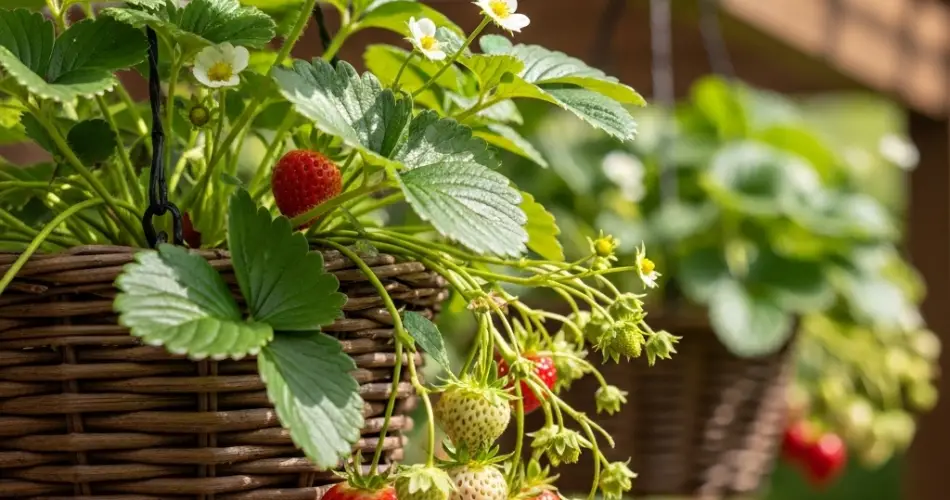
Growing strawberries in basket gardens is a rewarding and space-efficient way to enjoy fresh, juicy berries throughout the season. Perfect for urban gardeners, balconies, patios, and small outdoor spaces, basket-grown strawberries combine practicality with aesthetic charm. With the right setup, soil mix, and care routine, you can achieve continuous harvests, savoring sweet, homegrown strawberries for months. This guide will walk you through the essentials of basket strawberry gardening and how to maintain ongoing yields.
Why Basket Gardening Works for Strawberries
Strawberries are naturally suited to container gardening due to their shallow roots and compact growth habit. Using baskets offers several advantages:
-
Space Optimization – Ideal for urban environments where garden beds are limited or nonexistent.
-
Improved Drainage – Baskets allow water to drain freely, reducing the risk of root rot.
-
Soil Control – You can tailor the soil mix to meet the nutrient and moisture needs of strawberries.
-
Aesthetic Appeal – Woven baskets or hanging baskets provide an attractive display, making your garden both functional and decorative.
Selecting the Right Basket
Choose a basket that is at least 10–12 inches deep with a diameter of 12–16 inches. Adequate depth is essential to accommodate roots and encourage strong plant growth. Ensure your basket has drainage holes; if it’s too porous or leaks soil, line it with breathable material like coconut coir or burlap. Hanging baskets are particularly effective for strawberries, as they keep fruits off the ground, improving air circulation and reducing pest issues.
Ideal Soil Mix for Basket-Grown Strawberries
Strawberries thrive in loose, nutrient-rich, well-draining soil. A balanced soil mix supports root development, moisture retention, and nutrient availability. A recommended mix includes:
-
40% Organic Compost – Provides essential nutrients and improves soil fertility.
-
30% Loamy Garden Soil – Supplies minerals and ensures a stable growing medium.
-
20% Coconut Coir or Peat Moss – Retains moisture without waterlogging roots.
-
10% Perlite or Vermiculite – Enhances drainage and prevents soil compaction.
Combine these ingredients thoroughly to create light, fluffy soil that supports healthy root systems and encourages continuous growth.
Planting Strawberries for Continuous Harvests
For a steady supply of strawberries, stagger your planting. Sow bare-root strawberries or transplant young seedlings at 12–14 inches apart in your basket. This spacing allows each plant to develop fully and produce multiple runners. Consider planting early, mid-season, and late varieties to extend the harvest window. Removing older, unproductive leaves encourages new growth and fruit production.
Watering and Sunlight Requirements
Strawberries need consistent moisture, especially during flowering and fruiting. Water regularly to keep the soil evenly damp, but avoid waterlogging, which can cause root rot. Because baskets dry out faster than traditional beds, check soil moisture daily, particularly during hot or dry conditions.
Strawberries perform best in full sun, needing at least 6–8 hours of sunlight per day. If sunlight is limited, move your baskets to the brightest spot available or supplement with grow lights in indoor or shaded areas.
Fertilizing Basket Strawberries
While organic compost provides initial nutrients, supplemental feeding promotes continuous fruiting. Apply a balanced, water-soluble fertilizer every two to three weeks, or use organic options such as fish emulsion or seaweed extract. Avoid excessive nitrogen, which encourages leafy growth rather than flowering and fruiting.
Harvesting Tips
Strawberries are ready to harvest when fully red and slightly soft to the touch. Pick fruits carefully to avoid damaging plants or leaves. Regular harvesting encourages new flower production and prolongs the fruiting period. Smaller berries often taste sweeter, while larger ones are ideal for desserts or preserves. Continuously removing ripe strawberries ensures ongoing fruit production.
Managing Common Challenges
-
Pests – Watch for aphids, slugs, or spider mites. Organic sprays or companion planting can help reduce infestations.
-
Diseases – Powdery mildew and gray mold can affect strawberries. Ensure proper spacing, adequate air circulation, and avoid wetting foliage when watering.
-
Runner Management – Remove excess runners if they crowd the basket. This directs energy toward fruiting rather than vegetative growth.
Conclusion
Basket gardening provides a practical, beautiful solution for growing strawberries in small spaces. By selecting appropriate baskets, preparing a nutrient-rich soil mix, and following staggered planting and care routines, you can enjoy a continuous supply of fresh, flavorful strawberries throughout the season. With consistent watering, sunlight management, and proper fertilization, basket-grown strawberries reward urban gardeners with healthy plants, abundant fruit, and the satisfaction of homegrown produce. Transforming small outdoor areas into productive, fruit-bearing gardens has never been easier, making basket-grown strawberries a staple for any urban gardener seeking year-round enjoyment.


