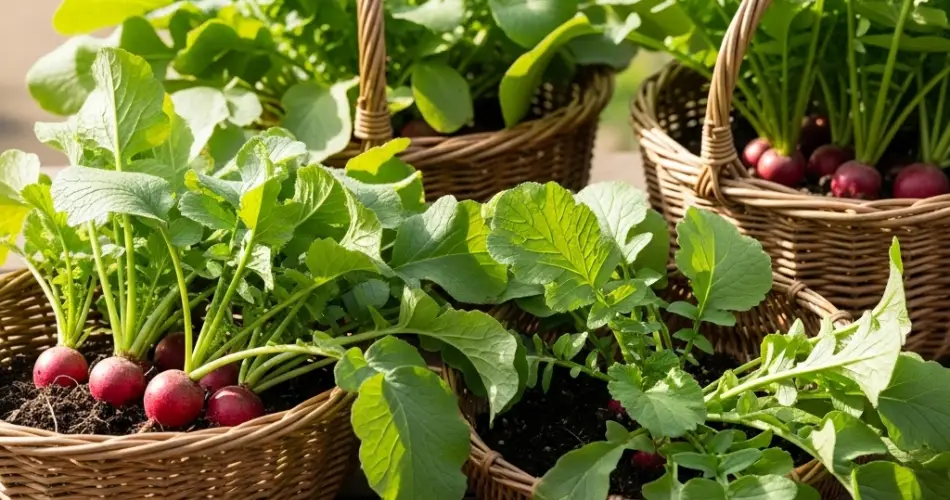
For urban gardeners or those with limited space, basket gardening offers a simple and productive way to grow radishes. These crisp, flavorful roots thrive in containers, making them ideal for balconies, patios, and small backyard gardens. With the right care and planting strategy, basket-grown radishes can provide a continuous harvest, supplying fresh, nutritious produce throughout the growing season.
Why Basket Gardening Works for Radishes
Baskets provide excellent drainage and airflow, two crucial factors for growing healthy radishes. Unlike traditional garden beds, baskets reduce the risk of waterlogging, soil compaction, and certain pests. Their portability allows you to adjust plant placement for optimal sunlight, protecting them from harsh weather or providing partial shade during hot afternoons. For urban gardeners, this adaptability makes baskets a perfect choice for growing radishes efficiently in small spaces.
Choosing the Right Basket
The size and type of basket are important for successful radish cultivation. Select a basket at least 8–12 inches deep and wide enough to accommodate several radish plants comfortably. Ensure the basket has sufficient drainage holes to prevent water accumulation, which can lead to root rot. Lining the basket with coconut coir, burlap, or a breathable fabric helps retain soil while allowing excess water to drain, creating a healthy environment for root growth. Lightweight baskets are ideal for easy relocation and hanging options.
Preparing the Soil
Radishes flourish in loose, well-draining soil that is rich in organic matter. A high-quality potting mix blended with compost or well-rotted manure provides essential nutrients while keeping the soil light enough for roots to expand freely. Avoid compacted garden soil, as it can restrict root development. Radishes prefer a slightly acidic to neutral soil pH of 6.0–7.0. Adding a slow-release organic fertilizer at planting can promote steady growth, while liquid feeding every few weeks supports continuous harvests.
Planting Radishes in Baskets
Radishes are fast-growing and easy to sow. Follow these steps for successful planting:
-
Fill the basket with prepared soil, leaving about an inch from the top.
-
Sow seeds directly into the soil, spacing them 1–2 inches apart for smaller varieties or 2–3 inches for larger types.
-
Cover seeds lightly with a thin layer of soil and water gently to settle them.
-
Thin seedlings once they reach 2 inches tall, leaving adequate spacing to allow roots to develop properly.
For a continuous harvest, practice succession planting by sowing new seeds every two weeks. This staggered approach ensures a steady supply of fresh radishes over several weeks or months.
Caring for Basket-Grown Radishes
Radishes require consistent care for optimal growth. Keep the soil evenly moist but not waterlogged, as irregular watering can lead to split roots or woody texture. Place baskets in a location that receives at least 4–6 hours of sunlight daily. In hot climates, partial shade during peak afternoon hours can prevent stress and bolting. Regularly remove debris and dead leaves to maintain good airflow and reduce the risk of disease.
Fertilizing for Continuous Growth
Radishes generally require minimal fertilization, but supplementing with a balanced liquid fertilizer every 2–3 weeks can support strong, tender roots. Avoid over-fertilizing with nitrogen-rich products, which can result in excessive leaf growth at the expense of root development. Balanced nutrition ensures a flavorful, crisp harvest with healthy greens that can also be enjoyed in salads or stir-fries.
Harvesting Radishes
One of the most rewarding aspects of basket-grown radishes is the ability to harvest continuously. Radishes are typically ready to pick 25–40 days after sowing, depending on the variety. Harvest by gently pulling the roots from the soil once they reach the desired size. Frequent harvesting encourages subsequent plantings to mature on schedule and prevents overcrowding in the basket. Radish greens are edible and nutrient-rich, so snip a few leaves for salads while leaving the roots to continue developing.
Pest and Disease Management
Baskets help reduce many common radish pests, but vigilance is still important. Aphids, flea beetles, and root maggots can occasionally affect container-grown plants. Inspect leaves regularly, remove affected parts, and apply natural remedies like neem oil or insecticidal soap when necessary. Good drainage, proper spacing, and healthy soil are key preventive measures to keep radishes thriving.
Benefits of Basket Gardening for Radishes
Growing radishes in baskets offers multiple advantages. It maximizes small spaces, allows for year-round cultivation in suitable climates, and produces fresh, flavorful roots and greens at home. Container gardening provides control over soil quality, sunlight, and watering, often resulting in healthier and more vibrant produce compared to store-bought options. Additionally, the quick growth of radishes makes them ideal for beginner gardeners seeking instant gratification.
Conclusion
Basket gardens make growing radishes simple, efficient, and rewarding, even in limited spaces. By choosing the right container, preparing nutrient-rich soil, and practicing succession planting, gardeners can enjoy a continuous harvest of crisp, flavorful radishes throughout the season. This approach not only supplies fresh produce for the kitchen but also adds greenery and a sense of accomplishment to small-space urban gardening.


