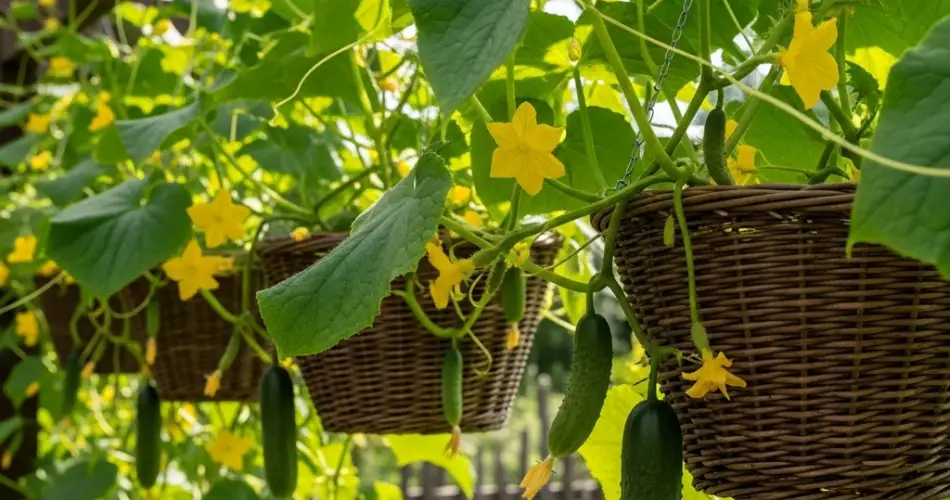
Urban gardening has grown increasingly popular as more people embrace the idea of cultivating fresh produce in small spaces. While gardens in sprawling backyards may not be accessible to everyone, balcony railings, patios, and windowsills offer the perfect opportunity to grow vegetables in containers and baskets. Among the many crops suited to this method, cucumbers stand out as an excellent choice. These vigorous climbers adapt surprisingly well to woven baskets or other containers, provided they receive the right care and support.
Growing cucumbers in baskets is not just practical—it is also rewarding. The plants bring lush greenery to small urban corners while supplying crisp, homegrown cucumbers for salads, pickling, or refreshing snacks. With some planning, even a compact balcony can yield a generous harvest.
Why Choose Baskets for Cucumbers?
Cucumbers are often associated with sprawling vines that take over garden beds, but baskets and containers offer a way to control their growth. Woven or sturdy baskets allow you to:
-
Save Space: Perfect for balconies and patios where ground planting isn’t possible.
-
Improve Drainage: Baskets provide excellent aeration and reduce the risk of waterlogged roots.
-
Add Mobility: Containers can be shifted to sunnier spots or protected areas during harsh weather.
-
Enhance Aesthetics: Green vines and dangling fruits create a decorative yet functional display.
For urban gardeners with limited square footage, baskets transform cucumbers into an accessible crop.
Choosing the Right Basket and Soil
Not all baskets are suitable for cucumbers. Select one that is 12–16 inches deep and wide enough to accommodate vigorous roots. Line woven baskets with coco coir, burlap, or a sturdy liner to prevent soil from spilling out while still allowing air circulation.
The soil mix plays a vital role in container gardening. A blend of potting soil, compost, and coconut coir or perlite provides the right balance of nutrients, moisture retention, and drainage. Since cucumbers are heavy feeders, enriching the soil with organic compost or slow-release fertilizer will help sustain healthy growth throughout the season.
Selecting the Best Cucumber Varieties
Not all cucumbers thrive in baskets. Compact or bush varieties are better suited to confined spaces. Look for options such as:
-
Bush Champion – A compact plant that produces full-sized cucumbers.
-
Spacemaster – Specifically bred for small spaces, with vines that stay manageable.
-
Picklebush – A shorter plant perfect for growing pickling cucumbers in containers.
-
Miniature Varieties – Such as gherkins or cocktail cucumbers, which adapt well to basket planting.
Choosing the right variety ensures that your plants don’t overwhelm the container and remain productive.
Providing Proper Support
Although cucumbers can trail down the sides of baskets, they benefit from vertical support. Trellises, stakes, A-frames, or netting systems allow vines to climb upward, keeping fruits clean, evenly shaped, and easy to harvest. In balcony setups, you can attach lightweight trellises directly to railings or string netting overhead for vines to cling to.
Training vines early encourages upward growth and prevents tangling. Use soft ties or garden clips to guide stems gently as they climb.
Watering and Feeding Basket Cucumbers
One of the biggest challenges of basket gardening is maintaining consistent moisture. Containers dry out faster than garden soil, especially in warm weather. Cucumbers need regular watering to avoid bitterness in the fruits. A good rule of thumb is to water deeply whenever the top inch of soil feels dry.
Adding a layer of mulch—such as straw, shredded leaves, or coco husk—helps retain moisture while keeping roots cool.
Fertilization is equally important, as cucumbers are nutrient-hungry plants. Use a balanced liquid fertilizer every two weeks during the growing season, or opt for organic solutions such as compost tea or diluted fish emulsion. These provide essential nutrients for continuous flowering and fruiting.
Harvesting Cucumbers from Baskets
The joy of urban cucumber gardening lies in the harvest. Cucumbers grow quickly, so check your plants daily once fruits begin to develop. Harvest them when they reach the desired size—whether small for pickling or longer for slicing. Leaving fruits on the vine for too long can lead to overripe, seedy cucumbers and reduce the plant’s productivity.
Regular harvesting encourages the plant to keep producing, ensuring a steady supply of fresh cucumbers throughout the season.
Common Challenges and Solutions
-
Wilting or Dry Soil: Increase watering frequency, especially during hot days. Self-watering baskets or drip irrigation systems can help.
-
Pest Issues: Aphids and cucumber beetles may appear. Treat infestations with neem oil or insecticidal soap.
-
Powdery Mildew: Improve air circulation by spacing baskets apart and training vines vertically.
-
Overcrowding: Limit each basket to one cucumber plant for healthy growth.
Addressing these issues promptly keeps your basket-grown cucumbers thriving.
Final Thoughts
Cucumber basket gardening is a practical, space-saving solution for city dwellers who want to enjoy fresh produce without a traditional garden. With the right container, soil mix, and support system, cucumbers can flourish even on the smallest balcony. Regular watering, feeding, and harvesting will reward you with crisp, refreshing cucumbers straight from your own urban oasis.
Basket gardening demonstrates that fresh, homegrown vegetables are not limited to those with large plots of land. With creativity and care, cucumbers can transform baskets into lush, productive mini-gardens—proving that city living and gardening go hand in hand.


