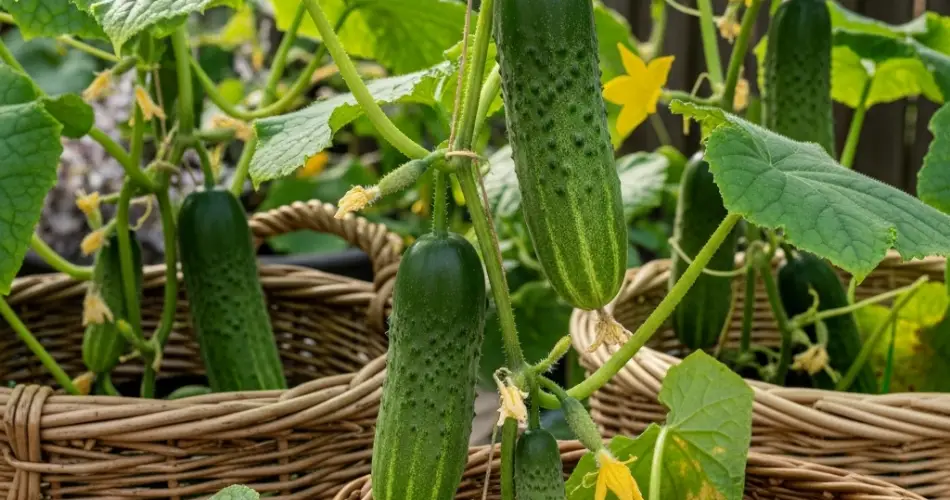
Cucumbers are among the most refreshing and versatile vegetables you can grow at home. Known for their crisp texture and hydrating qualities, cucumbers are a favorite for salads, snacks, and pickling. While many people imagine them sprawling across large garden plots, cucumbers can also thrive in small spaces when grown in hanging pots. This method not only saves space but also creates a decorative and productive display for balconies, patios, or terraces. With the right preparation and care, you can enjoy a continuous harvest of fresh and crunchy cucumbers right from your hanging pots.
Why Grow Cucumbers in Hanging Pots?
Growing cucumbers in hanging pots offers several advantages, especially for those with limited space. Hanging pots free up ground area and can turn unused vertical spaces into lush, green growing zones. When vines cascade over the edge of the pots, they create a natural trellis, keeping fruits off the soil, reducing the risk of rot, and ensuring a cleaner harvest. Additionally, hanging pots improve air circulation around the plants, helping to minimize common cucumber diseases such as powdery mildew.
This method is also ideal for decorative purposes. A pot filled with cascading vines and dangling cucumbers can transform any balcony or patio into a vibrant, edible garden feature.
Choosing the Right Variety
Not all cucumbers are suitable for hanging pot cultivation. To ensure success, choose compact or trailing varieties that adapt well to containers:
-
Bush cucumbers: These grow in a compact form and are ideal for small pots.
-
Pickling cucumbers: Smaller-fruited types thrive in limited spaces and produce prolifically.
-
Trailing varieties: These allow vines to spill gracefully over the edges of hanging pots.
Selecting the right type ensures that your plants don’t outgrow their containers and remain productive throughout the season.
Selecting and Preparing the Pot
The pot serves as the plant’s foundation, so choosing the right one is essential.
-
Size: Use a pot at least 12–16 inches deep and wide, providing enough soil volume to sustain the cucumber’s root system.
-
Drainage: Good drainage is crucial. Ensure that the pot has several holes at the bottom to prevent waterlogging, which can damage roots.
-
Liner (for baskets): If using woven hanging baskets, line them with coconut coir or sphagnum moss to hold soil in place while still allowing water to drain.
-
Support system: Even in hanging pots, cucumbers may need lightweight trellises, hoops, or ties to guide their vines and support heavier fruits.
Preparing the Soil
Cucumbers are heavy feeders, so a nutrient-rich, well-draining soil mix is vital.
-
Base: Use a high-quality potting mix designed for vegetables.
-
Compost: Mix in generous amounts of compost or well-rotted manure to boost fertility.
-
Aeration: Add perlite or coarse sand to prevent compaction and improve drainage.
-
Moisture retention: Incorporate coconut coir or peat moss to hold water while preventing sogginess.
This balanced soil blend provides the right environment for vigorous root development and strong plant growth.
Planting Cucumbers
Cucumbers can be grown either from seeds or seedlings.
-
Seeds: Plant 2–3 seeds about ½ inch deep in the center of the pot. Once seedlings sprout, thin to the strongest one.
-
Seedlings: If starting with transplants, carefully place one healthy seedling per pot to give it enough space.
Avoid overcrowding, as cucumbers need room to spread and breathe.
Watering and Feeding
Consistent water and nutrients are key to growing juicy, crunchy cucumbers.
-
Watering: Keep the soil evenly moist but not soggy. Hanging pots tend to dry out faster than ground soil, so check moisture daily, especially in hot weather.
-
Mulching: Add a thin mulch layer on the soil surface to reduce evaporation.
-
Feeding: Fertilize every two weeks with a liquid fertilizer high in potassium and nitrogen to encourage flowering and fruiting. Organic options like compost tea or fish emulsion also work well.
Caring for the Plants
Healthy cucumbers need ongoing attention to maximize productivity.
-
Pruning: Remove yellowing or damaged leaves to improve airflow and direct energy toward fruit production.
-
Pollination: While outdoor plants often attract pollinators naturally, indoor or balcony gardens may require hand-pollination by gently brushing pollen from male to female flowers.
-
Pest management: Watch for aphids, spider mites, and cucumber beetles. Treat early with organic sprays like neem oil or insecticidal soap.
With regular care, cucumber plants will stay vigorous and fruitful.
Harvesting Cucumbers
The true reward of growing cucumbers in hanging pots comes at harvest time.
-
Timing: Harvest when fruits are firm, smooth, and reach the desired size for their variety. Smaller cucumbers tend to be crunchier and sweeter.
-
Frequency: Pick regularly to encourage continued production. Overripe cucumbers left on the vine can slow down new fruit development.
-
Method: Use scissors or pruners to cut cucumbers cleanly from the vine rather than pulling them off, which could damage the plant.
Freshly picked cucumbers are best enjoyed immediately but can also be stored in the refrigerator for up to a week.
Conclusion
Growing cucumbers in hanging pots is an innovative and rewarding way to enjoy fresh, crunchy produce without needing a large garden. By choosing the right variety, preparing nutrient-rich soil, and maintaining consistent watering and feeding routines, you can create a lush, productive display of trailing vines and tasty cucumbers. This method is perfect for urban gardeners, balcony growers, or anyone looking to make the most of limited space. With just a little care and attention, your hanging pots will provide a steady supply of refreshing cucumbers throughout the growing season.


