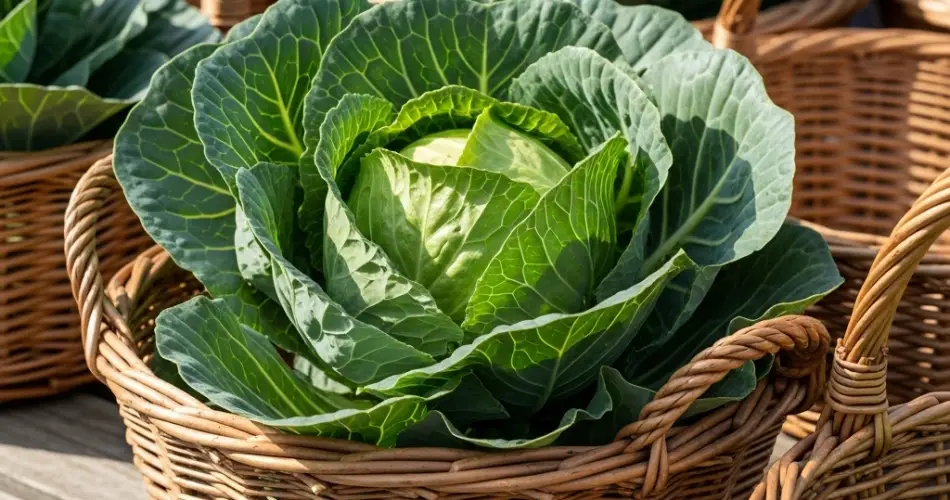
Cabbage is often thought of as a crop that requires sprawling garden beds, but urban gardening innovations have made it possible to grow this nutritious leafy vegetable in surprisingly small spaces. With the right techniques, even apartment dwellers can enjoy the satisfaction of harvesting fresh, crisp cabbage from hanging pots on a balcony. This approach not only saves ground space but also creates a visually appealing green display that doubles as food.
Why Grow Cabbage in Hanging Pots?
Growing cabbage in hanging pots might sound unusual, but it comes with several advantages:
-
Efficient Use of Space: Perfect for gardeners who lack ground soil but still want fresh produce.
-
Improved Air Circulation: Elevating plants reduces the risk of certain pests and fungal diseases.
-
Accessibility: Easier to monitor and harvest compared to bending down to ground-level beds.
-
Decorative Value: Green, leafy cabbage plants in woven or clay pots add charm to balconies.
By adapting this method, urban gardeners can make the most of limited space while still enjoying a reliable harvest.
Choosing the Right Variety
Not all cabbage types are ideal for container gardening. Compact and fast-maturing varieties thrive better in hanging pots than larger, traditional heads. Some good options include:
-
Golden Acre: A small, early-maturing cabbage that grows well in confined spaces.
-
Miniature Savoy: Known for its crinkled, tender leaves and compact growth.
-
Red Express: A colorful, compact variety perfect for smaller containers.
-
Baby Cabbage Varieties: Bred specifically for small-space gardens, producing tight, petite heads.
Selecting a suitable variety ensures that your cabbage won’t outgrow the pot and will develop properly within the limited root zone.
Preparing the Right Pot and Soil
When growing cabbage in hanging pots, size and depth matter. Choose pots that are at least 12–14 inches deep and wide enough to accommodate root growth. Ensure the pot has strong drainage holes, as cabbage does not tolerate waterlogged soil.
A high-quality soil mix is essential. A combination of potting soil, compost, and a small amount of perlite or coco coir provides the right balance of nutrients, aeration, and water retention. Because cabbage is a heavy feeder, enriching the soil with compost or a slow-release organic fertilizer will support strong leaf development and head formation.
Planting Cabbage in Pots
Start cabbage from seeds or transplants, depending on your preference. If planting seeds, sow them indoors first and allow seedlings to reach about 4–6 inches tall before transferring them to hanging pots. This ensures stronger plants and reduces transplant shock.
When planting, leave enough space between seedlings—one plant per pot is ideal—to prevent crowding and allow each cabbage head to grow properly.
Light, Water, and Temperature Requirements
Cabbage needs at least 6 hours of direct sunlight daily, so position hanging pots on the sunniest part of the balcony. However, during extremely hot weather, partial shade in the afternoon will help prevent plants from bolting.
Watering is crucial. Pots dry out faster than garden beds, and cabbage thrives in consistently moist soil. Water deeply whenever the top inch feels dry, ensuring excess water drains freely. A layer of organic mulch on top of the soil helps retain moisture and regulates temperature.
Cabbage also prefers cooler weather, making it a great crop for spring or fall balcony gardens. If growing in warmer regions, choose heat-tolerant varieties and monitor water levels carefully.
Feeding and Care
Because cabbage is nutrient-demanding, regular feeding ensures healthy growth. Apply a balanced liquid fertilizer every two weeks, or use organic alternatives such as seaweed extract or compost tea. Extra nitrogen supports leafy growth in the early stages, while potassium and phosphorus help with head development.
Monitor plants regularly for pests such as aphids, cabbage worms, or flea beetles. Handpicking pests, spraying with neem oil, or using insect netting are effective organic strategies.
Harvesting Balcony Cabbage
Cabbage is ready for harvest when heads feel firm and reach their expected size for the chosen variety. Use a sharp knife to cut the head at the base, leaving outer leaves intact if possible. Some cabbage varieties may produce smaller side heads after the main one is harvested, providing a bonus crop.
To enjoy a continuous harvest, consider staggering plantings every few weeks, ensuring a steady supply of fresh cabbage from your balcony throughout the growing season.
Challenges of Growing Cabbage in Hanging Pots
While rewarding, this method also comes with challenges:
-
Rapid Drying Soil: Pots require more frequent watering, especially in hot climates.
-
Limited Root Space: Choose compact varieties and avoid overcrowding.
-
Weight Considerations: Hanging pots filled with soil and mature cabbage heads can be heavy—ensure secure mounting.
By addressing these issues early, you can maintain healthy, productive cabbage plants.
Final Thoughts
Balcony cabbage gardening in hanging pots proves that even larger vegetables can be adapted to small urban spaces. With the right pot, soil, and care, anyone can harvest crisp, homegrown cabbage without needing a traditional garden. Beyond being practical, this method brings freshness, greenery, and sustainability to city living.
Whether used for coleslaw, stir-fries, or soups, balcony-grown cabbage is a delicious reward for those willing to experiment with container gardening. It demonstrates that with creativity and care, even the most space-limited gardeners can enjoy abundant harvests.


