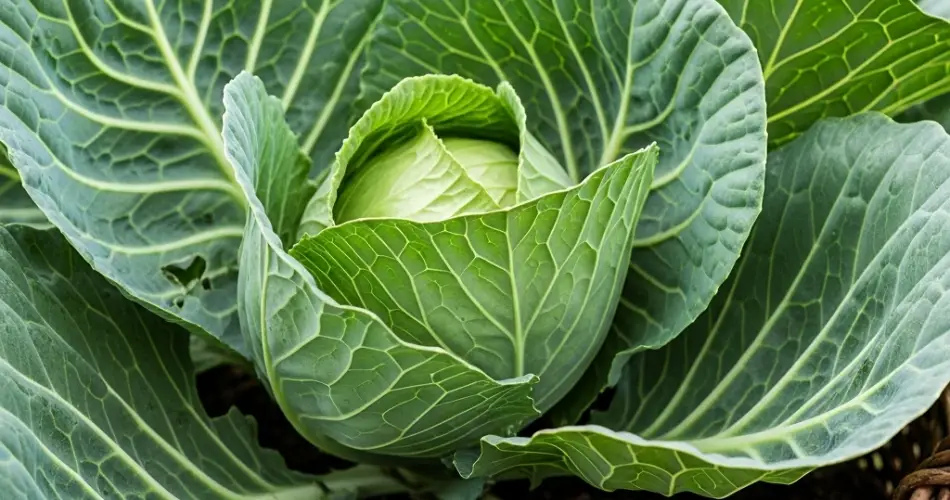
Cabbage is a cool-weather vegetable prized for its crisp leaves, versatility in the kitchen, and rich nutritional value. Traditionally, it is grown in open garden plots, but modern gardening methods now allow cabbage to thrive even in small spaces. One effective approach is cultivating cabbage in baskets, which not only saves space but also creates a neat, organized garden that is easy to manage. Basket gardening is especially useful for those who live in apartments or have limited outdoor space. With the right setup and care, you can enjoy healthy, compact heads of cabbage grown right at home.
Why Grow Cabbage in Baskets?
Basket gardening provides several benefits for cabbage growers. Unlike traditional garden beds, baskets allow you to control the soil quality and drainage, ensuring optimal growing conditions. They are also portable, meaning you can move your cabbage plants to follow the sun or protect them from harsh weather. Furthermore, baskets elevate the plants off the ground, reducing the risk of soil-borne pests and diseases.
Another advantage is aesthetics. Baskets filled with lush green cabbage heads can add a touch of charm to balconies, patios, or garden spaces. They serve both a decorative and functional purpose, making them ideal for urban gardeners who value both beauty and productivity.
Choosing the Right Basket
Not every basket is suitable for growing cabbage. Consider the following when selecting one:
-
Size: Cabbage requires space for its roots and growing head. A basket at least 12–16 inches deep and wide is recommended.
-
Material: Woven baskets lined with coconut coir or moss are ideal, as they hold soil while allowing air circulation. Plastic or resin baskets are durable options as well.
-
Drainage: Ensure the basket has good drainage to prevent waterlogging, which can harm cabbage roots.
If using a woven basket, line it with a breathable material like coconut fiber to prevent soil loss while still allowing excess water to drain.
Preparing the Soil
Cabbage is a heavy feeder and thrives in rich, fertile soil. For best results, prepare a well-balanced potting mix:
-
Base mix: High-quality potting soil is a good foundation.
-
Nutrients: Mix in plenty of compost or well-rotted manure to provide the nutrients cabbages need.
-
Drainage: Add perlite or coarse sand to improve drainage.
-
pH balance: Cabbage prefers slightly acidic to neutral soil, with a pH of 6.0–7.0.
This combination ensures that your plants get the right balance of fertility, aeration, and water retention.
Planting Cabbage in Baskets
Cabbage can be started either from seeds or seedlings:
-
From seeds: Sow seeds about ¼ inch deep into the prepared basket soil. Thin seedlings once they are a few inches tall, keeping the strongest plant per basket.
-
From seedlings: Transplant young cabbage plants directly into the basket, spacing them adequately if using larger containers. One plant per medium basket is ideal to avoid crowding.
When planting, ensure that the base of the plant is level with the soil surface. Firm the soil gently around the stem to provide stability.
Watering and Feeding
Cabbage needs consistent moisture to grow firm, healthy heads. However, overwatering can lead to root rot or disease.
-
Watering schedule: Check the soil daily and water when the top inch feels dry. Hanging or raised baskets may dry out faster, so monitor more frequently in warm weather.
-
Mulching: Add a thin layer of organic mulch on top to help retain moisture and regulate temperature.
-
Fertilization: Feed your cabbage every two weeks with a balanced liquid fertilizer or compost tea. As the plant matures, switch to a fertilizer higher in potassium and phosphorus to encourage firm head development.
Caring for Cabbage Plants
Cabbage requires regular attention to remain healthy:
-
Sunlight: Place the basket where it will receive at least 6 hours of direct sunlight daily.
-
Pruning: Remove yellowing or damaged leaves to promote airflow and direct nutrients to the head.
-
Pest control: Watch for common pests like cabbage worms, aphids, and slugs. Use natural methods such as neem oil sprays, floating row covers, or handpicking to keep them under control.
-
Temperature: Since cabbage is a cool-season crop, protect plants from excessive heat by moving baskets into partial shade if necessary.
Harvesting Cabbage
Cabbage is ready to harvest when the heads are firm and compact. Gently squeeze the head; if it feels solid, it is mature.
-
Timing: Most cabbage varieties are ready 70–90 days after planting, though smaller varieties may mature faster.
-
Method: Use a sharp knife to cut the head off at the base, leaving the outer leaves and roots in the basket. Sometimes, smaller side shoots will form, giving you a bonus harvest.
-
Storage: Freshly harvested cabbage can be stored in a cool, dry place for several weeks or refrigerated to extend freshness.
Conclusion
Growing cabbage in baskets is a practical, rewarding method for anyone with limited gardening space. By choosing the right basket, preparing nutrient-rich soil, and maintaining consistent watering and feeding, you can successfully grow firm, healthy cabbage heads in a small area. Basket gardening also gives you greater flexibility in managing sunlight, pests, and weather, making it an excellent option for urban gardeners. With just a little care and attention, you can enjoy crisp, homegrown cabbage from your own balcony or patio—perfect for fresh meals straight from your garden to the table.


