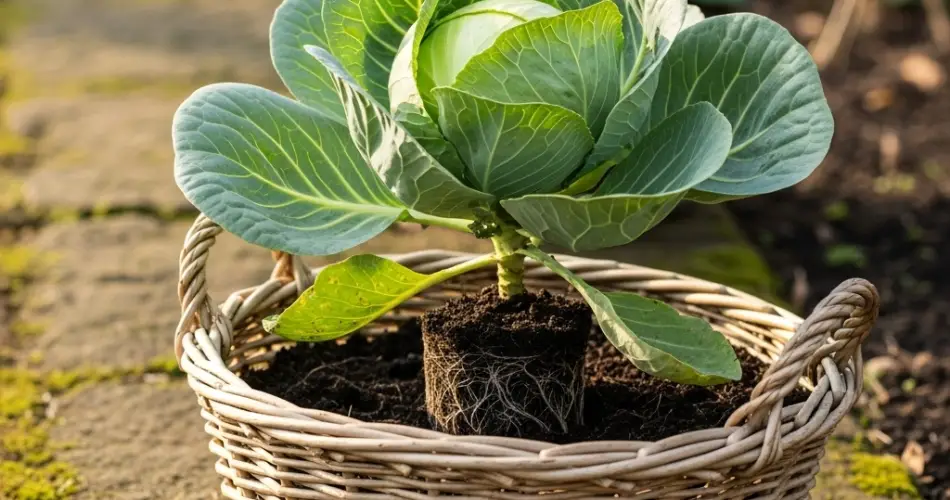
Cabbage is a nutritious and versatile vegetable that has been a staple in kitchens for centuries. Known for its crisp leaves and adaptability in recipes, it is also one of the easiest cool-weather crops to grow at home. While many gardeners traditionally cultivate cabbage in garden beds, basket gardening has become an innovative way to grow this leafy green in limited spaces. With proper planning and care, you can produce firm, healthy cabbage heads right from a balcony, patio, or small yard.
This guide outlines the essential steps for growing and caring for cabbage in baskets, making it easy even for beginner gardeners to achieve success.
Why Choose Basket Gardening for Cabbage?
Basket gardening offers a convenient solution for urban gardeners or those with small outdoor areas. Cabbage plants require space for their roots, but with the right basket size, they grow remarkably well. Baskets provide several advantages:
-
Portability: You can move them to follow the sun or to protect plants from harsh weather.
-
Soil control: It’s easier to manage the nutrient balance and drainage compared to ground planting.
-
Pest management: Elevating cabbage off the ground helps reduce the risk of pests like slugs and soil-borne diseases.
-
Aesthetics: Lush cabbage heads spilling over baskets add charm to balconies or patios, making them both decorative and practical.
Selecting the Right Basket
The first step to success is choosing a suitable basket. Not all baskets will support healthy cabbage growth. Keep these points in mind:
-
Depth and width: Select a basket at least 12–16 inches deep and wide to allow proper root development.
-
Material: Woven baskets lined with coconut fiber, moss, or fabric work well, but plastic and resin options are also reliable.
-
Drainage: Adequate drainage is essential to prevent waterlogging. If using a woven basket, line it carefully to retain soil while letting excess water escape.
A medium basket generally supports one cabbage plant. If using a larger container, space plants 12–18 inches apart for best results.
Preparing the Soil
Cabbage is a heavy feeder, so nutrient-rich soil is critical. Prepare a fertile, well-draining mix that gives plants the best chance at forming strong heads:
-
Potting mix base: Choose high-quality potting soil as the foundation.
-
Organic matter: Blend in compost or aged manure to improve fertility and soil texture.
-
Drainage boosters: Add perlite, vermiculite, or coarse sand to ensure water doesn’t stagnate.
-
pH: Aim for a slightly acidic to neutral pH of 6.0–7.0.
Refreshing the soil with compost or organic fertilizer before planting each season ensures cabbage plants get the nutrients they need.
Planting Cabbage in Baskets
You can start cabbage either from seeds or transplants:
-
Seeds: Sow seeds directly in the basket about ¼ inch deep. Thin seedlings to the strongest plant once they reach a few inches tall.
-
Seedlings: Purchase or grow your own young plants indoors, then transplant them into the basket once they have 4–6 true leaves.
Make sure the soil is firmed around the base of each plant to keep them stable as they develop.
Watering and Feeding
Cabbage requires steady moisture to develop crisp, firm heads. In baskets, soil tends to dry out faster than in-ground beds, so monitoring is crucial.
-
Watering routine: Water deeply whenever the top inch of soil feels dry. Hanging baskets may need more frequent watering.
-
Mulching: Apply a thin layer of straw, shredded leaves, or compost on the soil surface to help retain moisture and regulate temperature.
-
Fertilizing: Feed cabbage with a balanced liquid fertilizer every two weeks. During head formation, switch to a mix richer in potassium and phosphorus to encourage solid growth.
Consistent care helps prevent common problems such as splitting heads caused by uneven watering.
Protecting and Maintaining Plants
Cabbage baskets require a bit of routine maintenance, but the effort is simple:
-
Sunlight: Place baskets in a spot with at least 6 hours of full sun daily.
-
Temperature: Since cabbage prefers cooler conditions, move baskets into partial shade during extreme heat.
-
Pruning: Remove yellowing or damaged outer leaves to improve airflow and reduce disease risk.
-
Pest management: Watch for cabbage worms, aphids, and slugs. Use natural controls like neem oil, row covers, or handpicking to keep pests in check.
Harvesting Basket-Grown Cabbage
Cabbage is ready to harvest once the head feels firm and compact. Gently press the head with your hand; if it resists pressure, it is ready.
-
Timing: Depending on the variety, cabbage typically matures in 70–90 days. Smaller or early varieties may be ready sooner.
-
Harvest method: Use a sharp knife to cut the head at the base, leaving the outer leaves and roots intact. Some plants may sprout smaller secondary heads for an additional harvest.
-
Storage: Fresh cabbage can be stored in a cool place for several weeks, or refrigerated for longer freshness.
Conclusion
Cabbage may be known as a field crop, but basket gardening proves that it can thrive in compact spaces with just a little care. By selecting the right basket, preparing nutrient-rich soil, and maintaining consistent watering and feeding, you can enjoy healthy, crisp cabbage heads right from your balcony or patio. Beyond providing delicious, homegrown produce, basket-grown cabbage adds a touch of green beauty to your living space. With minimal effort and steady attention, you’ll find that cabbage is one of the easiest vegetables to cultivate in baskets, making it a perfect choice for urban gardeners and beginners alike.


