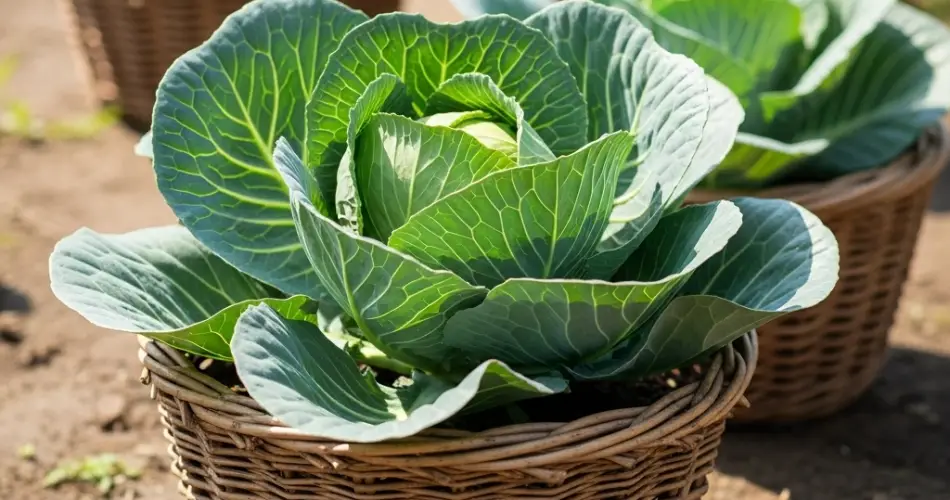
Cabbage is a cool-season vegetable that thrives when given the right environment, but in urban gardening, space limitations often require creative solutions. Woven containers—whether made of natural fibers, recycled materials, or decorative basket-style planters—offer an attractive and practical way to grow cabbage in small spaces. However, success depends largely on the soil mix. Because cabbage is a heavy feeder with deep roots, the right soil composition ensures healthy leaves, firm heads, and consistent growth throughout the season.
This guide explores the best soil mix for cabbage in woven containers and offers practical tips to maximize yields in limited spaces.
Why Soil Mix Matters for Cabbage
Unlike lightweight herbs or shallow-rooted greens, cabbage demands a nutrient-rich and well-structured growing medium. The plant’s roots need access to both air and moisture while also drawing from a deep reservoir of nutrients to form compact, dense heads. In woven containers, where soil can dry out more quickly and nutrients leach with each watering, using the correct soil blend is crucial. A poor mix can lead to stunted plants, loose or underdeveloped heads, and vulnerability to pests and diseases.
Key Qualities of a Good Soil Mix
When preparing soil for cabbage in woven containers, keep these essential qualities in mind:
-
Nutrient-Rich: Cabbage requires plenty of nitrogen for leafy growth, along with phosphorus and potassium for head development.
-
Moisture-Retentive yet Well-Draining: The soil should hold enough water without becoming waterlogged.
-
Light and Aerated: Roots need oxygen to grow strong and avoid rotting.
-
Long-Lasting Structure: Because cabbage takes several months to mature, the soil mix should remain stable over time.
Recommended Soil Mix for Cabbage
A balanced soil mix for woven containers can be made by combining common organic materials in the right proportions. Here is a tried-and-true recipe:
-
40% High-Quality Potting Soil: Provides a stable base with good texture and drainage.
-
30% Compost: Supplies essential nutrients and supports beneficial microorganisms.
-
20% Coco Coir or Peat Moss: Improves water retention while keeping soil light.
-
10% Perlite or Vermiculite: Ensures aeration and prevents compaction.
This blend balances fertility, drainage, and moisture retention—key factors for healthy cabbage growth in containers.
Boosting Fertility with Additives
Because woven containers may allow nutrients to leach faster than solid pots, it is wise to fortify the mix with additional amendments:
-
Worm Castings: Provide slow-release nitrogen and improve soil structure.
-
Bone Meal: A natural source of phosphorus for root and head formation.
-
Kelp Meal or Seaweed Powder: Adds trace minerals and boosts overall plant resilience.
-
Crushed Eggshells or Garden Lime: Help balance soil pH, as cabbage prefers slightly acidic to neutral soil (pH 6.0–7.0).
Mix these amendments evenly throughout the soil before planting, and top-dress occasionally during the growing season for sustained fertility.
Preparing the Woven Container
Before filling your woven basket or container, ensure it is properly prepared to hold soil while allowing good drainage:
-
Line the Interior: Use burlap, landscape fabric, or coconut husk liners to prevent soil from escaping while still letting excess water drain.
-
Check Weight Capacity: Woven containers can be heavy when filled, so place them in a stable spot on your balcony or patio before filling.
-
Layer for Drainage: A thin base layer of gravel or small stones beneath the soil mix helps prevent water from pooling at the bottom.
Planting and Care
Once the container is prepared and filled with your soil mix, plant cabbage seedlings that are 4–6 inches tall. Allow one plant per medium-sized woven container, as overcrowding can reduce head formation. Water deeply after transplanting to settle the soil and remove air pockets.
Because woven containers dry out faster than traditional beds, check soil moisture regularly. Water consistently to keep the mix evenly moist but never soggy. A layer of organic mulch, such as straw or shredded leaves, helps retain moisture and regulate soil temperature.
Feeding Through the Growing Season
Cabbage in containers benefits from supplemental feeding due to limited soil volume. Apply a balanced organic liquid fertilizer or compost tea every two weeks during the growing season. In the early stages, focus on nitrogen-rich feeds to promote leafy growth. As heads begin to form, shift toward a fertilizer higher in potassium and phosphorus to encourage firm, compact development.
Common Issues to Watch For
Even with the best soil mix, woven containers present a few challenges:
-
Nutrient Leaching: Fertilize regularly to replace nutrients lost through frequent watering.
-
Drying Out Quickly: Monitor soil moisture daily, especially during warm or windy weather.
-
Container Breakdown: Natural fiber baskets may degrade over time—line them properly or choose sturdier woven planters for longevity.
Addressing these challenges ensures that your cabbage plants remain healthy and productive.
Final Thoughts
The secret to successful cabbage harvests in woven containers lies in creating the perfect soil environment. A blend of potting soil, compost, coco coir, and perlite provides the ideal base, while organic amendments ensure long-term fertility. With proper preparation, consistent watering, and timely feeding, your balcony or patio can produce crisp, flavorful cabbages that rival those grown in traditional garden beds.
Woven container gardening not only maximizes limited urban space but also brings a rustic and decorative element to your home. By mastering the soil mix, you can enjoy fresh, homegrown cabbage while making the most of small-space gardening opportunities.


