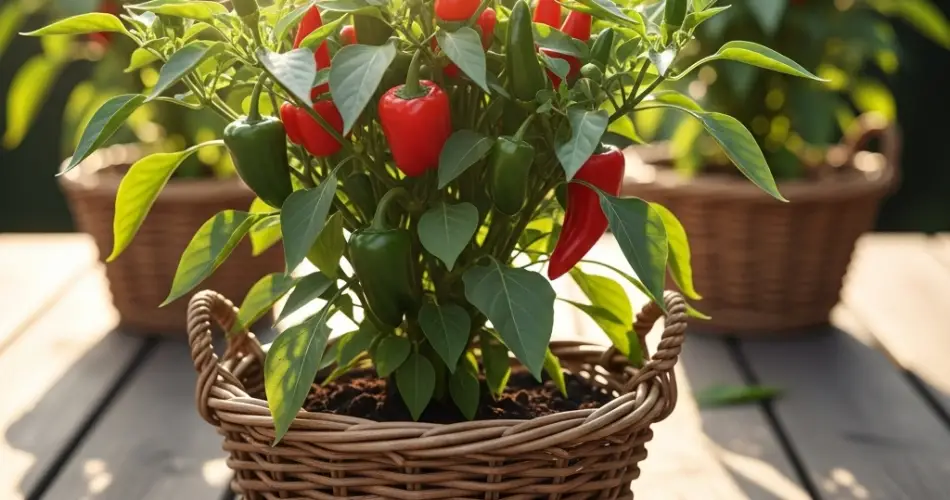
Urban gardening has become a popular solution for those who want to grow their own fresh produce without the need for a traditional garden plot. Among the most rewarding crops for small-space gardening are chili peppers. These vibrant plants are not only ornamental with their colorful fruits but also practical, providing a steady supply of spice for your kitchen. Growing chili peppers in baskets is a smart way to maximize space, add greenery to balconies or patios, and enjoy the satisfaction of harvesting your own fiery pods.
Why Chili Peppers Thrive in Baskets
Chili peppers are highly adaptable and well-suited to container gardening. When grown in woven or hanging baskets, they benefit from excellent air circulation, which reduces the risk of soil-borne diseases. The lightweight and portable nature of baskets also allows you to move the plants to sunnier spots or protect them from heavy rain. In addition, chili peppers are naturally compact, making them perfect for limited urban spaces.
The aesthetic appeal is another advantage. A basket of chili peppers hanging on a balcony railing or placed near a window creates both a decorative and functional display. As the peppers ripen, their shades of green, yellow, orange, and red add a splash of color to any urban setting.
Choosing the Right Basket
Not all baskets are equally suited for growing chili peppers, so choosing the right one is essential. Opt for woven containers made from coconut coir, bamboo, rattan, or sturdy synthetic fibers. These materials allow air circulation and good drainage, both of which are important for chili pepper root health.
Before planting, make sure the basket is lined with burlap, plastic with drainage holes, or coconut husk liners to hold soil while still allowing excess water to escape. Chili peppers dislike soggy roots, so a well-prepared basket ensures the plant gets the balance of moisture and airflow it needs.
Ideal Soil Mix
Chili peppers require fertile, well-draining soil. A recommended mix includes:
-
40% high-quality potting soil as the base.
-
30% compost to provide organic nutrients.
-
20% coco coir or peat moss to help retain moisture without making the soil heavy.
-
10% perlite or vermiculite to improve aeration and drainage.
To enrich the mix, add a handful of worm castings for slow-release nutrients and a small amount of crushed eggshells to supply calcium, which helps prevent blossom-end rot. This combination creates an ideal growing medium for strong and productive chili plants.
Planting and Positioning
Start with healthy seedlings that are 6–8 inches tall. Plant one chili per medium basket to give each root system enough room to spread. Place the basket in a location with at least six hours of direct sunlight daily, as chili peppers are sun-loving plants.
If you are using hanging baskets, secure them firmly, as the combined weight of soil, water, and a growing plant can be considerable. For floor-standing woven containers, make sure they rest on a stable surface and have proper drainage.
Watering and Feeding
Consistent watering is essential for chili peppers. In baskets, soil tends to dry out faster than in ground beds, so check moisture daily. Water when the top inch of soil feels dry, ensuring that water drains freely from the bottom. Avoid overwatering, as it can lead to root rot.
Chili peppers also benefit from regular feeding. Start with a nitrogen-rich organic fertilizer in the early stages to promote leafy growth. Once flowering begins, switch to a fertilizer higher in phosphorus and potassium to support blossoms and fruit development. Liquid seaweed extract or compost tea applied every two weeks can keep your plants vigorous and productive.
Managing Growth and Supporting Plants
Most chili pepper varieties stay compact, but some may grow tall and require support. Use small bamboo stakes or lightweight trellises within the basket to keep stems upright. Pruning lightly by pinching off the tips of the main stems encourages bushier growth and more fruiting branches.
Harvesting Chili Peppers
Chili peppers are ready to harvest when they reach their mature size and color. Depending on the variety, this could be green, red, orange, or even purple. Use scissors or garden shears to snip peppers off the plant, leaving a small stem attached to avoid damaging the branches.
Regular harvesting encourages the plant to produce more fruit, so don’t hesitate to pick peppers as they ripen. A single well-cared-for plant in a basket can supply chilies for months.
Pest and Disease Management
Though chili peppers are generally resilient, they can still face common container gardening challenges. Watch out for aphids, whiteflies, and spider mites, especially in warm, dry conditions. Spraying with a mild solution of neem oil or insecticidal soap can help control infestations. To prevent fungal problems, avoid wetting the leaves when watering and ensure baskets are placed where air can circulate freely.
Final Thoughts
Growing chili peppers in baskets combines practicality, beauty, and flavor in one compact gardening project. With the right soil mix, consistent care, and a sunny spot, you can transform a balcony, patio, or windowsill into a vibrant chili haven. Not only will you enjoy the decorative charm of ripening peppers, but you’ll also have a steady supply of fresh spice at your fingertips.
Urban gardening with chili peppers proves that even the smallest spaces can yield big rewards. With a simple woven basket and some attentive care, anyone can experience the joy of harvesting homegrown chilies right from their balcony.


