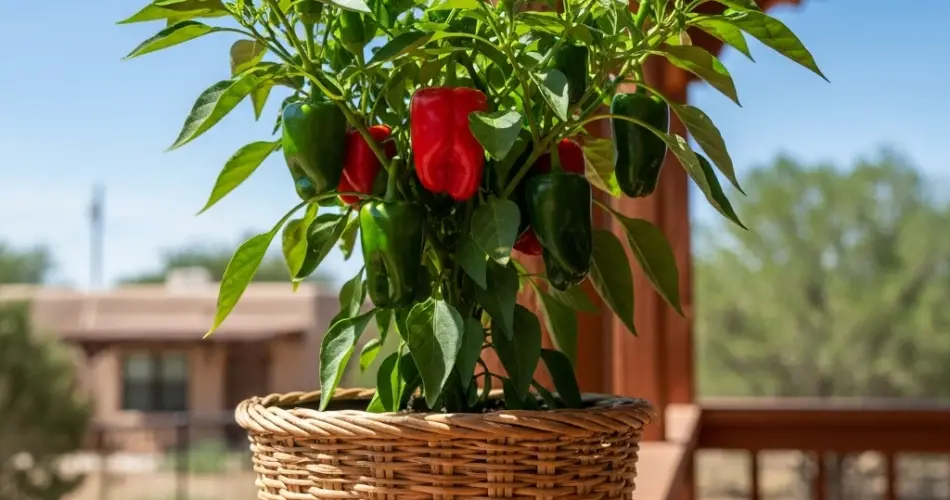
Chili peppers are one of the most versatile crops for home gardeners. They not only add vibrant color to your space but also provide a continuous harvest of spicy fruits to enhance your cooking. For gardeners with limited outdoor space, basket gardening is a practical and attractive way to grow chilies. Hanging or standing baskets save space, improve drainage, and make it easy to care for your plants. To get the best results, however, choosing the right soil and providing proper care are essential.
This guide explores the best soil mix for basket-grown chilies and the key care practices needed to help them thrive.
Why Grow Chilies in Baskets?
Basket gardening offers a number of benefits for chili plants:
-
Space efficiency: Perfect for balconies, patios, or small yards.
-
Better drainage: Baskets allow excess water to escape, reducing the risk of root rot.
-
Mobility: Plants can be moved to sunnier spots or sheltered during storms.
-
Decorative appeal: Lush green foliage and bright red, yellow, or purple chilies look striking in woven or hanging baskets.
Best Soil Mix for Basket-Grown Chilies
The right soil is the foundation of successful chili gardening. Chilies dislike heavy, compacted soil and instead need a light, nutrient-rich, and well-draining growing medium.
Key Soil Requirements
-
Drainage:
Basket-grown chilies need soil that drains well to prevent waterlogging. Overly wet roots can lead to fungal issues and root rot. -
Nutrients:
Nutrient-rich soil ensures strong stems, abundant flowers, and productive fruiting. A mix enriched with compost or aged manure works best. -
Texture:
The soil should be loose and airy to support root development. A blend of potting soil, compost, and perlite or sand creates the ideal structure. -
pH Level:
Chilies grow well in slightly acidic to neutral soil with a pH of 6.0–7.0.
Recommended Soil Mix
-
50% high-quality potting soil
-
30% compost or well-rotted manure
-
20% perlite, vermiculite, or coarse sand
This combination ensures a balance of moisture retention, aeration, and nutrients. Before planting, mix in a slow-release organic fertilizer to give young plants a strong start.
Basket Preparation
The type of basket you choose affects the performance of your chili plants.
-
Size: Use baskets at least 12–14 inches deep for one plant. Larger baskets can hold multiple plants, with at least 12 inches of space between each.
-
Lining: Line woven baskets with coconut coir or sphagnum moss to hold soil in place while allowing excess water to drain.
-
Drainage holes: Ensure proper drainage at the bottom to avoid soggy roots.
Watering Requirements
Soil in baskets dries out faster than ground soil, making consistent watering crucial.
-
Check moisture: Water when the top inch of soil feels dry.
-
Deep watering: Allow water to soak through to the roots, then drain completely.
-
Hot climates: In warm weather, watering may be needed daily.
-
Mulching: A layer of straw, dried leaves, or coco coir helps retain moisture and keeps roots cool.
Feeding for Healthy Growth
Chilies are heavy feeders, especially when grown in baskets where nutrients leach out more quickly.
-
Early growth: Use a balanced fertilizer with equal amounts of nitrogen, phosphorus, and potassium.
-
Flowering and fruiting stage: Switch to a fertilizer higher in potassium and phosphorus to encourage blooms and fruit development.
-
Organic options: Compost tea, fish emulsion, and seaweed extract are excellent for promoting strong growth and fruiting.
Feed your chili plants every two weeks during the growing season to maintain healthy productivity.
Light and Temperature Needs
Chilies love warmth and sunlight.
-
Sunlight: Provide 6–8 hours of direct sunlight daily. If growing indoors, use a grow light to supplement natural light.
-
Temperature: Chilies grow best in temperatures between 70–85°F (21–29°C). Protect them from cold drafts or temperatures below 55°F (13°C).
-
Placement: Hang baskets where plants receive plenty of light but are shielded from strong winds.
Supporting and Pruning Plants
As chili plants grow, they may need a little extra support.
-
Stakes or cages: Insert bamboo stakes or small cages into baskets to support heavy branches.
-
Pruning: Remove weak branches and excess foliage to improve airflow and encourage larger fruits.
-
Early flowers: Pinch off the first few flowers if the plant is still small, directing energy into stronger growth before heavy fruiting begins.
Pest and Disease Management
Basket-grown chilies are less prone to soil-borne diseases, but they can still attract pests.
-
Common pests: Watch for aphids, whiteflies, and spider mites. Use neem oil or insecticidal soap for control.
-
Fungal issues: Avoid overwatering and ensure good air circulation. Powdery mildew and root rot can occur in damp conditions.
-
Regular checks: Inspect plants weekly and address issues early.
Harvesting Basket-Grown Chilies
Chilies are usually ready for harvest 60–90 days after planting, depending on the variety.
-
Signs of readiness: Fruits are firm, glossy, and fully colored.
-
Harvest method: Use scissors or pruning shears to cut fruits cleanly, leaving part of the stem attached.
-
Encourage more harvests: Picking chilies regularly stimulates the plant to produce more.
Conclusion
Basket-grown chilies are an excellent choice for small-space gardeners who want fresh, colorful, and flavorful harvests. By preparing the right soil mix, watering consistently, providing proper nutrients, and giving them enough sunlight, you can enjoy a thriving chili harvest from your balcony or patio. With a little care, your chili baskets will produce an abundance of fiery fruits that add both beauty and flavor to your everyday life.


