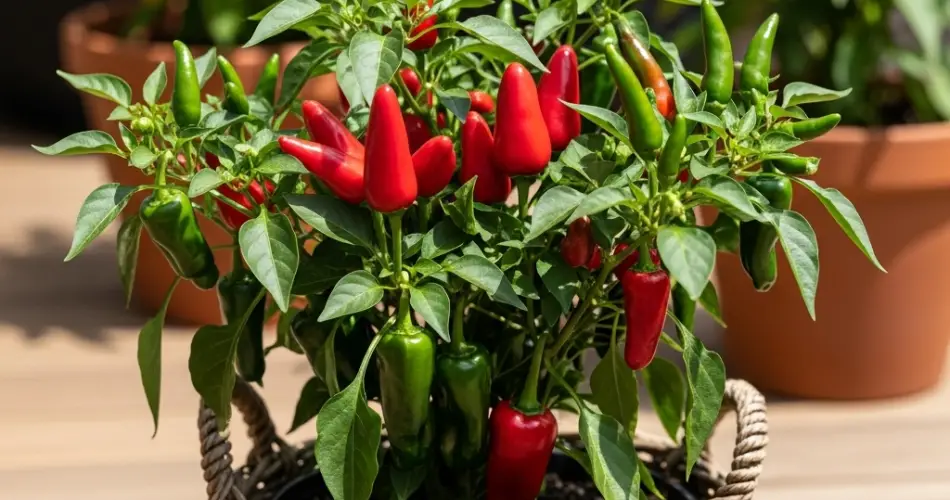
Urban living often means dealing with limited outdoor space, but that shouldn’t stop you from growing your own fresh produce. With a bit of creativity, even the smallest balcony, patio, or window can be transformed into a productive garden. One of the best crops for compact, vertical gardening is chili peppers. These fiery, colorful plants are perfect for hanging baskets, providing both ornamental beauty and a steady harvest of spice. Whether you’re a beginner or a seasoned gardener, growing hanging chili plants is a rewarding way to maximize small spaces while keeping fresh flavor within easy reach.
Why Choose Hanging Chili Plants?
Chili peppers adapt exceptionally well to container gardening, making them ideal candidates for hanging baskets. Unlike bulky vegetables, chili plants remain relatively compact yet produce generously. Hanging baskets allow the plants to cascade naturally, creating a striking display of green leaves and colorful pods that double as both decoration and food source.
Hanging baskets also solve several common urban gardening problems. They lift plants off the ground, reducing the risk of pests like slugs or snails. They save valuable floor space, freeing up your balcony or patio for other activities. Additionally, baskets provide better airflow around the plants, lowering the chances of fungal infections and root rot.
Choosing the Right Basket and Setup
Not all baskets are suitable for chili peppers. The best choices are woven baskets made from coconut coir, rattan, bamboo, or other sturdy fibers, as these materials allow for proper drainage and aeration. Since chili peppers dislike sitting in waterlogged soil, drainage holes or a breathable liner are essential. Coconut husk liners are particularly effective, as they retain moisture while still letting excess water escape.
When selecting a location for your hanging chili plants, prioritize sunlight. Chili peppers thrive in at least six to eight hours of direct sun each day. A sunny balcony railing, a strong wall hook, or even a window with a sturdy bracket can provide the ideal setup. Just ensure the basket is securely fastened, as the combined weight of soil, plant, and water can be significant.
The Best Soil Mix for Hanging Chilis
Soil is the foundation of a healthy plant, and chili peppers are no exception. For hanging baskets, a light, nutrient-rich mix is essential. A good recipe includes:
-
40% potting soil for structure.
-
30% compost for organic nutrition.
-
20% coco coir or peat moss to retain moisture.
-
10% perlite or sand for aeration and drainage.
Adding worm castings or well-rotted manure enhances fertility, while a small amount of crushed eggshell provides calcium to prevent blossom-end rot. The goal is a soil mix that holds water but does not compact, allowing roots to breathe.
Planting and Early Care
Begin with sturdy seedlings about 6–8 inches tall. Plant one chili per medium basket or two in a larger basket to avoid crowding. Press the soil firmly around the roots and water lightly to help the plant settle.
During the first few weeks, water consistently but avoid overwatering. Hanging baskets dry out more quickly than ground beds, so check soil moisture daily. If the top inch of soil feels dry, it’s time to water. A deep watering in the morning allows the plant to stay hydrated throughout the day.
Feeding for Strong Growth and High Yields
Chili plants are heavy feeders, particularly in containers. Use an organic liquid fertilizer every two weeks during the growing season. Start with a nitrogen-rich feed to promote leafy growth, then switch to one higher in potassium and phosphorus once flowers appear. Options such as compost tea, fish emulsion, or liquid seaweed work well for sustaining plant vigor.
Supporting and Pruning
Though chili plants tend to be compact, some varieties can grow tall or heavy with fruit. Small bamboo sticks or lightweight trellises inserted into the basket can help support stems. Pruning is also beneficial—pinching off the growing tips encourages bushier growth and more branches, which translates into more flowers and fruit. Removing any yellowing leaves keeps the plant tidy and prevents disease.
Harvesting Your Chili Peppers
One of the joys of growing chili peppers in hanging baskets is the easy access to fruit. Chilis can be harvested when they reach full size, even if they’re still green, or you can wait for them to turn red, yellow, or orange depending on the variety. Use scissors or garden shears to clip the fruits cleanly, leaving a small piece of stem attached. This avoids damaging the plant and encourages further production.
Frequent harvesting stimulates more blooms and fruit set, ensuring a continuous supply throughout the growing season. A single plant in a basket can yield dozens of peppers when well cared for.
Pest and Disease Prevention
While hanging baskets naturally reduce ground-based pests, chili plants can still attract aphids, spider mites, or whiteflies. Regularly inspect the leaves, especially the undersides, and treat infestations promptly with neem oil spray or insecticidal soap. Good air circulation helps prevent fungal diseases, while avoiding overhead watering reduces the risk of leaf spots and mildew.
Final Thoughts
Hanging chili plants bring together the best of urban gardening—compact design, decorative charm, and practical harvests. They are an ideal choice for balconies, patios, or even small indoor spaces with plenty of light. With the right soil, consistent watering, and a little attention, these fiery plants will reward you with a season-long supply of fresh chilies.
By combining functionality and aesthetics, hanging chili plants turn limited space into a productive garden, proving that anyone can grow flavorful food at home. Whether you prefer mild peppers or fiery hot varieties, there’s a chili perfect for your basket garden.


