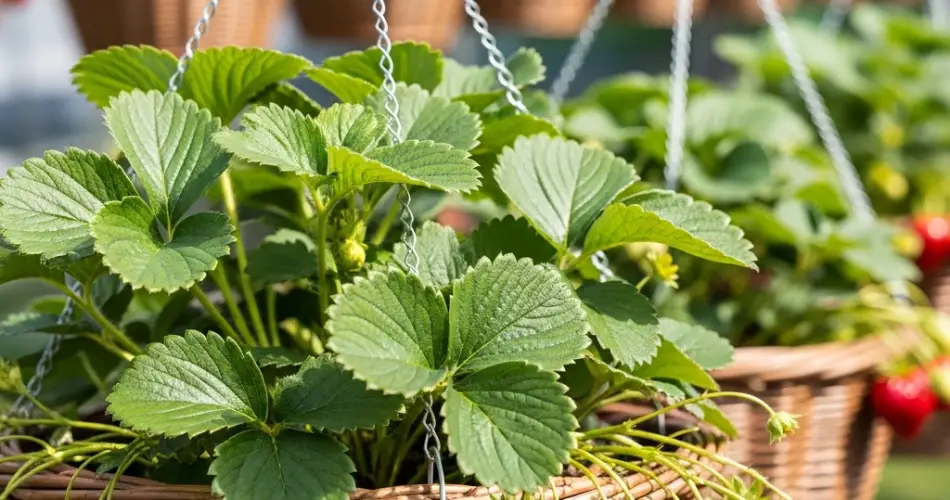
Urban living often comes with limited outdoor space, but that doesn’t mean you need to miss out on the joys of gardening and fresh harvests. Strawberries, with their vibrant colors, sweet taste, and compact growth habits, are one of the best fruits for small-space gardens. One particularly effective and attractive method for growing strawberries in cities is planting them in baskets. Whether hung from a balcony, placed on a patio hook, or displayed along a sunny wall, strawberries in baskets thrive and reward gardeners with abundant harvests.
Why Grow Strawberries in Baskets?
Strawberries are naturally well-suited for container gardening. Growing them in baskets adds both practical benefits and visual appeal:
-
Space-saving design: Hanging baskets free up ground space, making them perfect for apartments and compact patios.
-
Cleaner fruit: Because the berries hang down, they stay away from soil and debris, reducing the chance of rot.
-
Improved air circulation: Elevation helps prevent fungal issues like powdery mildew and keeps plants healthier.
-
Aesthetic charm: Cascading vines and dangling strawberries create a decorative, edible display.
For urban dwellers, baskets are not just functional but also stylish, turning small outdoor areas into lush green corners.
Choosing the Right Basket
The success of your strawberry harvest depends on selecting the right type of basket. Consider these factors:
-
Size: A basket at least 12–14 inches in diameter and 8–10 inches deep is ideal for root development. Larger baskets allow multiple plants and better growth.
-
Material: Plastic hanging pots retain moisture better, while woven baskets lined with coco coir or moss offer a rustic look but may dry out faster. Choose according to your lifestyle and watering routine.
-
Drainage: Proper drainage is critical. Ensure the basket has holes at the bottom so excess water can escape. If you’re using a lined basket, check that water doesn’t pool inside.
-
Support: A fully planted basket filled with soil can be heavy, especially after watering. Use sturdy brackets or ceiling hooks designed for weight-bearing.
Preparing the Soil
Strawberries need well-draining, fertile soil to flourish in baskets. Since container soil dries out more quickly than garden beds, creating the right mix is essential.
-
Soil mix: Blend high-quality potting soil with compost to boost fertility. Adding perlite or coarse sand improves drainage.
-
Nutrient boost: Strawberries are heavy feeders. Incorporating organic matter like aged manure or worm castings ensures consistent nutrient supply.
-
pH balance: Aim for slightly acidic soil, between 5.5 and 6.5, for the best flavor and yield.
Before planting, fill the basket with soil, leaving about an inch of space from the top to prevent overflow when watering.
Planting Strawberries in Baskets
Strawberries can be started either from young nursery plants or bare-root runners. Both work well in baskets.
-
Positioning: Place plants so the crown (the point where roots meet leaves) sits just above the soil surface. Burying the crown can cause rot.
-
Spacing: In a 12–14 inch basket, you can plant 3–4 strawberry plants. For larger baskets, add more, keeping at least 6 inches between plants.
-
Side planting: If your basket has gaps or openings, insert additional plants along the sides. This creates a cascading effect with strawberries hanging from all around the basket.
Caring for Strawberries in Baskets
Urban-grown strawberries in baskets require consistent attention, as the confined space means faster changes in soil conditions.
-
Sunlight: Place baskets where they receive 6–8 hours of direct sunlight daily. Balconies with good morning sun are ideal.
-
Watering: Hanging baskets dry out quickly, especially in warm weather. Water daily during hot months, ensuring soil stays moist but not waterlogged. A self-watering basket can make this easier.
-
Fertilizing: Feed strawberries every 3–4 weeks with a balanced liquid fertilizer. When the plants begin flowering, switch to a fertilizer higher in potassium to support fruiting.
-
Mulching: Add a thin layer of straw or coconut coir mulch to help retain moisture and keep fruit cleaner.
-
Pruning and care: Remove yellowing leaves and trim runners if you want the plant to focus on producing larger berries.
Harvesting Sweet Success
Strawberries usually start producing within a couple of months after planting. Fruits are ready when fully red, firm, and fragrant.
-
Pick regularly: Harvest every 2–3 days during peak season to encourage continued fruiting.
-
Handle gently: Twist the berry off the stem with care, leaving a small piece of stem attached to extend shelf life.
-
Enjoy fresh: Strawberries are best eaten shortly after picking, but they can also be used for jams, desserts, or freezing.
Overcoming Common Challenges
Even in baskets, strawberries may face a few challenges:
-
Drying soil: Combat by mulching and watering consistently. In hotter climates, consider double-layered baskets that hold moisture longer.
-
Pests: Birds often target ripe fruit. A lightweight net can protect your harvest. Aphids and spider mites may appear; organic sprays like neem oil are effective controls.
-
Poor yields: This often results from insufficient sunlight or lack of nutrients. Adjust placement and fertilization for better results.
Conclusion
Growing strawberries in baskets offers a practical, decorative, and rewarding gardening experience for urban dwellers. With the right setup, proper soil, and consistent care, you can enjoy fresh, sweet berries even in the smallest of spaces. From balconies to patios, hanging strawberry baskets transform city living into a fruitful and flavorful adventure.
Fresh harvests, right at arm’s reach, prove that gardening success is possible no matter how little space you have.


