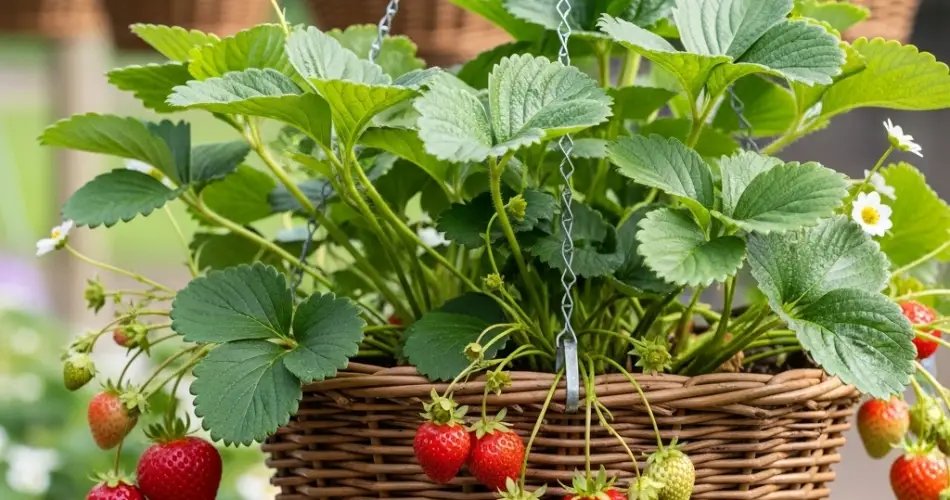
Strawberries are one of the most popular fruits to grow at home, and with good reason. They’re delicious, versatile, and rewarding to harvest. While traditional garden beds provide ample space for strawberry plants, not everyone has a large outdoor area. Fortunately, strawberries adapt beautifully to container gardening, especially when grown in woven containers. These unique planters combine practicality with charm, making them a perfect solution for balconies, patios, and other compact spaces.
Why Choose Woven Containers for Strawberries?
Woven containers—often made of natural materials like rattan, bamboo, or wicker—bring both function and beauty to a small garden. Unlike rigid pots, they allow for better airflow, which helps prevent soil compaction and encourages healthy root growth. When lined properly, they also provide excellent drainage, reducing the risk of root rot.
Another advantage is their aesthetic appeal. A basket of strawberries adds rustic charm to small outdoor or indoor spaces. Whether hung from a balcony railing, placed on a windowsill, or arranged in tiers, woven containers make gardening both space-efficient and visually pleasing.
Preparing Woven Containers for Planting
Before planting strawberries, woven containers require some preparation to ensure durability and proper plant care.
-
Choose the right basket: Select a container at least 10–12 inches deep and wide enough to hold several strawberry plants. Sturdier materials like bamboo or tightly woven rattan last longer outdoors.
-
Add a liner: Since woven containers are porous, a liner prevents soil from spilling out while still allowing drainage. Coco coir liners, burlap, or heavy-duty plastic with small drainage holes work well.
-
Soil mix: Strawberries prefer light, fertile, and well-draining soil. A mix of potting soil, compost, and a bit of perlite or sand keeps roots healthy and prevents excess water retention.
With these steps, your woven basket will be ready to support productive and healthy strawberry plants.
Planting Strawberries in Woven Containers
Strawberries can be planted from bare-root crowns or young seedlings. For successful planting:
-
Positioning: Plant the crown so it sits just above the soil level. Burying it too deep risks rot, while leaving roots too exposed can dry them out.
-
Spacing: In a medium basket, place 2–3 plants evenly spaced. For larger woven containers or tiered baskets, more plants can be added without overcrowding.
-
Layering approach: Some gardeners plant strawberries in layers within deep woven baskets, creating a cascading effect as the plants grow and produce runners.
Caring for Strawberries in Small Spaces
Strawberries need consistent care, especially when grown in containers that dry out more quickly than garden soil.
Watering
Regular watering is key. Check the soil daily, especially during warm weather. Water thoroughly when the top inch of soil feels dry, but avoid waterlogging. Mulching the soil surface with straw, pine needles, or shredded leaves helps retain moisture and keeps fruit clean.
Sunlight
Strawberries require at least 6–8 hours of direct sunlight each day. Place woven containers on a sunny balcony, windowsill, or patio. If grown indoors, positioning near a south-facing window or using grow lights ensures adequate light for flowering and fruiting.
Feeding
Since containers lose nutrients faster than ground soil, strawberries benefit from regular feeding. Use a balanced organic fertilizer at planting time, followed by a potassium-rich liquid feed every 3–4 weeks during the growing season to support strong fruit development.
Creative Woven Container Ideas
Woven containers open the door to creative planting arrangements. Some ideas include:
-
Hanging baskets: Perfect for balconies, they allow fruit to dangle over the sides, staying cleaner and less prone to pests.
-
Tiered woven planters: Stacking baskets vertically maximizes limited space while creating a decorative feature.
-
Window baskets: A lined woven basket fixed under a window not only saves space but also offers easy access to fresh berries.
-
Mixed plantings: Add small herbs like thyme or mint at the edges of the basket for a fragrant and productive mini-garden.
These ideas make woven containers both functional and decorative, turning small spaces into productive strawberry patches.
Common Challenges and Solutions
Growing strawberries in woven containers comes with some challenges, but most can be managed with simple solutions:
-
Drying out quickly: Line baskets well, mulch the soil, and water consistently.
-
Short lifespan of baskets: Natural woven materials may deteriorate over time. To extend their life, use a sturdy liner or place the woven container inside a more durable pot.
-
Pests: While elevated baskets deter ground pests like slugs, you may still encounter aphids or birds. Use neem oil for insects and lightweight netting to protect ripening fruit.
Harvesting and Enjoying Basket-Grown Strawberries
Strawberries are ready to harvest when fully red, firm, and glossy. Pick them with the green cap attached to maintain freshness. Frequent harvesting encourages plants to produce more berries throughout the season.
One of the joys of container gardening is accessibility. With woven baskets, you can harvest strawberries right at arm’s reach, making them a perfect choice for families and urban gardeners.
Conclusion
Woven containers provide an elegant and practical solution for growing strawberries in small spaces. With proper preparation, thoughtful planting, and consistent care, you can enjoy a steady supply of fresh, sweet berries no matter the size of your living area. From hanging baskets on balconies to rustic woven planters on windowsills, strawberries adapt beautifully and reward you with delicious harvests season after season.


