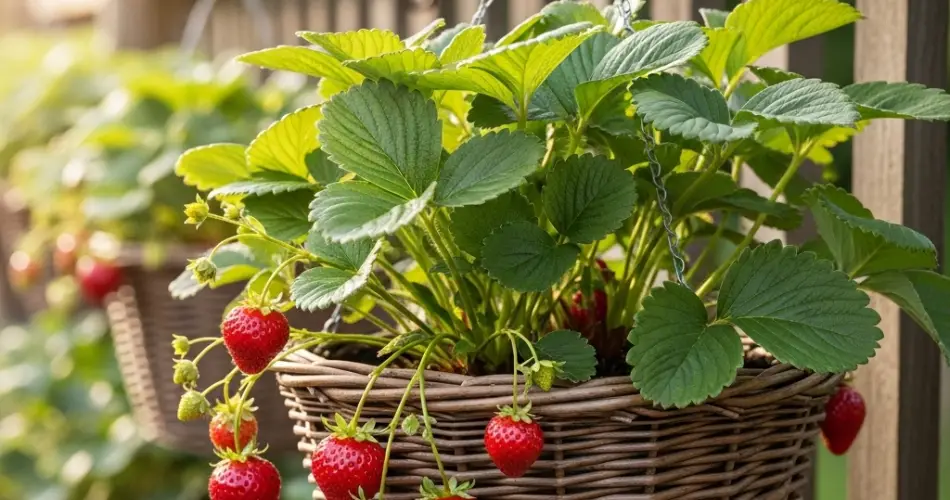
Few fruits are as rewarding to grow at home as strawberries. Their sweet flavor, vibrant red color, and versatility in the kitchen make them a favorite among gardeners. Even if you lack a large outdoor space, strawberries can thrive beautifully in baskets. With the right care, you can enjoy continuous harvests of fresh, juicy berries from your balcony, patio, or even a sunny windowsill.
Why Grow Strawberries in Baskets?
Basket gardening provides strawberries with excellent drainage, which is crucial since their roots are shallow and prone to rot in waterlogged soil. The raised position of baskets also keeps fruit cleaner and less vulnerable to pests like slugs or ground-dwelling insects. In addition, baskets are space-saving, portable, and can add charm when hung or placed decoratively in small areas.
Another advantage is airflow. Baskets promote good circulation around the plants, reducing the risk of fungal diseases. When properly cared for, strawberries in baskets often produce healthier foliage and cleaner fruit compared to ground planting.
Choosing the Right Basket and Soil
For success, selecting the proper container and soil mix is essential.
-
Basket size: Opt for a basket that is at least 12 inches deep and wide, giving roots ample room to spread. Hanging baskets or sturdy woven baskets lined with coco coir are excellent options.
-
Lining: A good liner keeps soil in place while maintaining breathability. Coco fiber, sphagnum moss, or burlap work well.
-
Soil mix: Strawberries prefer light, fertile soil with excellent drainage. A mix of high-quality potting soil, compost, and a bit of sand or perlite ensures roots stay healthy. Avoid heavy clay-based soils, which retain too much water.
Adding slow-release organic fertilizer or well-rotted compost at planting time provides a nutrient-rich base for the plants.
Planting Strawberries in Baskets
Strawberries can be planted as bare-root crowns or young seedlings. When planting:
-
Positioning the crown: Place the crown (where leaves meet roots) just above the soil surface. Planting too deep may cause rot, while planting too shallow can dry the roots.
-
Spacing: In a standard 12-inch basket, plant 3–4 strawberry plants evenly spaced. This allows room for growth without overcrowding.
-
Companion planting: For a decorative touch, you can interplant with small herbs like thyme, which won’t compete heavily with strawberries and can help deter pests.
Watering and Moisture Control
Strawberries need consistent moisture, especially while flowering and fruiting. In baskets, soil tends to dry out faster than in the ground, so check moisture daily.
-
Watering schedule: Water thoroughly whenever the top inch of soil feels dry. Ensure excess water drains freely.
-
Avoid waterlogging: Roots are sensitive to standing water, so never let the basket sit in pooled water.
-
Mulching: A thin layer of straw, pine needles, or shredded leaves helps retain moisture and keeps berries clean.
During hot weather, baskets may require watering twice a day, particularly if hung in direct sunlight.
Sunlight and Temperature Needs
Strawberries thrive in full sun, requiring at least 6–8 hours of direct sunlight daily for best fruit production. On balconies or patios with limited sun, position baskets where they can catch morning and midday light.
Ideal temperatures range from 60°F to 80°F (15°C–27°C). If you live in a hot climate, provide light shade during peak afternoon heat to prevent stress and sunburn on the leaves.
Feeding and Fertilization
To keep strawberries productive, regular feeding is important.
-
At planting: Mix compost or slow-release organic fertilizer into the soil.
-
During growth: Every 3–4 weeks, apply a liquid fertilizer rich in potassium to encourage flower and fruit development.
-
Avoid excess nitrogen: Too much nitrogen leads to leafy growth at the expense of fruiting.
A compost tea or diluted seaweed solution is a gentle and natural way to boost nutrients.
Common Problems and Solutions
Like all plants, strawberries in baskets can face challenges.
-
Yellow leaves: Usually a sign of nutrient deficiency. A balanced liquid fertilizer can correct this.
-
Fungal diseases (like powdery mildew): Improve airflow, avoid overhead watering, and use organic fungicidal sprays if needed.
-
Pests (aphids, spider mites, or birds): Regularly inspect plants. Neem oil helps deter insects, while bird netting can protect ripening fruit.
Because baskets are elevated, they are less likely to be attacked by ground pests such as slugs, making maintenance easier.
Harvesting Strawberries
Strawberries are ready to harvest when they turn fully red, firm, and glossy. Pick them with the green cap still attached to preserve freshness. Frequent harvesting encourages the plants to produce more fruit.
One of the joys of basket-grown strawberries is that fruit tends to stay cleaner and less damaged compared to garden-grown ones. With good care, a basket can provide multiple harvests in a season.
Extending the Harvest
To enjoy strawberries for longer:
-
Succession planting: Stagger plantings by a few weeks so not all plants fruit at once.
-
Encourage runners: Strawberry plants produce runners, which can be rooted in small pots to expand your crop.
-
Overwintering: In colder climates, move baskets to a sheltered area, insulate them with straw or cloth, and protect roots from freezing.
Conclusion
Basket gardening offers an ideal method for cultivating strawberries in small spaces, combining practicality with aesthetic appeal. With the right container, fertile soil, steady watering, and sufficient sunlight, you can harvest an abundance of fresh, sweet berries throughout the season.
Whether on a balcony, patio, or hanging by a sunny window, basket-grown strawberries provide both beauty and delicious rewards. By following these care tips, you’ll be able to enjoy continuous harvests of one of nature’s most delightful fruits — right from your own home.


