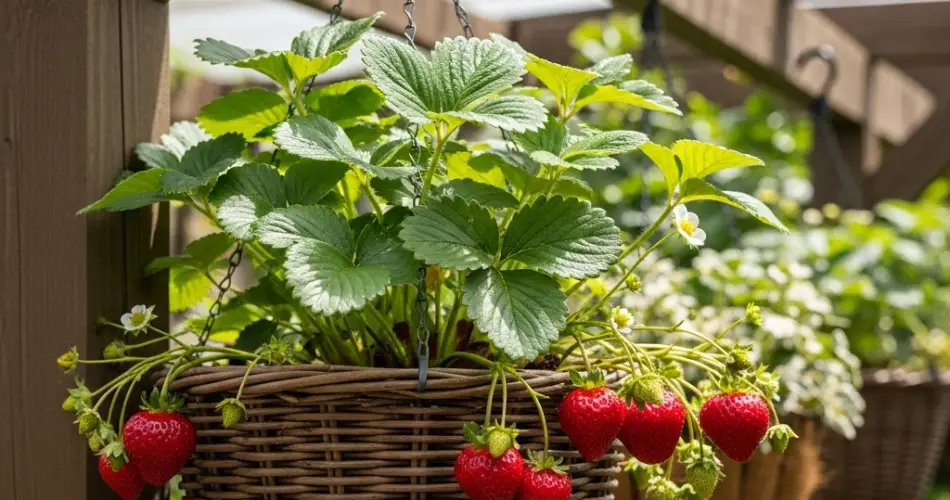
Strawberries are among the most loved fruits for home gardeners. Their sweet flavor, vibrant red color, and versatility in the kitchen make them a favorite choice for small-space gardening. The good news is that you don’t need a large garden bed to enjoy your own strawberry harvests. With the right approach, strawberries thrive beautifully in hanging pots, making them a perfect option for balconies, patios, and even sunny windows.
Growing strawberries in hanging pots not only saves ground space but also creates an attractive display as the plants spill over the edges, producing dangling clusters of fruit. This method is practical, rewarding, and can provide fresh harvests right outside your door.
Why Choose Hanging Pots for Strawberries?
Strawberries are naturally well-suited for container gardening, and hanging pots enhance their growth in several ways:
-
Space efficiency: Ideal for balconies, small patios, or urban homes where garden beds aren’t available.
-
Improved air circulation: Hanging pots reduce the risk of soil-borne diseases by keeping plants elevated.
-
Easy harvesting: Fruit hangs down the sides, making strawberries more accessible and easier to pick.
-
Decorative beauty: Strawberry plants with cascading leaves and berries create a stunning green-and-red display.
This combination of functionality and charm makes hanging pots one of the best methods for growing strawberries at home.
Step 1: Choosing the Right Pot
When selecting a hanging pot, consider the needs of strawberry plants:
-
Depth and width: Pots should be at least 12–14 inches wide and 8–10 inches deep to give the roots enough space to spread.
-
Material: Lightweight but durable materials such as plastic or woven hanging baskets work well. Ensure they can hold the weight of soil and water.
-
Drainage holes: Essential to prevent waterlogging, which can cause root rot. If using a lined basket, check that excess water can still escape.
-
Support: Use a strong hook or bracket capable of bearing the pot’s full weight once filled with soil, water, and growing plants.
Step 2: Preparing the Soil
Strawberries thrive in fertile, well-draining soil. A container mix enriched with organic matter works best.
-
Soil blend: Combine two parts potting soil, one part compost, and a small portion of perlite or sand for improved drainage.
-
Nutrients: Strawberries benefit from compost or aged manure mixed into the soil to boost potassium and phosphorus, which support fruit development.
-
pH level: Aim for slightly acidic soil, around 5.5–6.5, for the healthiest plants and sweetest berries.
Fill the pot almost to the top, leaving about an inch of space at the rim.
Step 3: Planting Strawberries
There are two main ways to plant strawberries in hanging pots:
-
Transplants: Small strawberry plants from a nursery are the easiest and quickest method. Place them in the soil with the crown just above the surface.
-
Bare-root runners: These take longer to establish but are cost-effective and adapt well to container growth.
When planting multiple strawberries in one pot, space them 6–8 inches apart. Hanging baskets often allow for side planting, where you tuck plants into holes along the sides for a cascading effect.
Step 4: Caring for Strawberries in Pots
Once planted, strawberries need consistent care to thrive and produce sweet, juicy fruit.
-
Sunlight: Place the pot where it receives 6–8 hours of direct sunlight daily. Strawberries require lots of light to form flowers and berries.
-
Watering: Hanging pots dry out quickly, so check moisture daily. Keep the soil evenly moist but not soggy. Mulching the surface with straw or coconut coir helps retain moisture.
-
Fertilization: Every 3–4 weeks, apply a balanced liquid fertilizer or compost tea. During the flowering and fruiting stage, switch to a fertilizer higher in potassium.
-
Pruning: Remove yellow leaves and spent flowers to encourage healthy growth. Trim off runners if you want the plant to focus energy on fruit production.
Step 5: Harvesting Your Strawberries
Strawberries typically begin producing fruit 4–6 weeks after flowering. Harvest them when they are fully red and slightly firm.
-
Picking: Gently twist the berry off with a small part of the stem still attached.
-
Frequency: Check daily, as ripe strawberries spoil quickly if left on the plant.
-
Season extension: By staggering plantings or growing different varieties, you can enjoy strawberries for a longer season.
The more often you pick ripe berries, the more energy the plant directs into producing new fruit.
Common Challenges and Solutions
Even in hanging pots, strawberry plants may face a few issues:
-
Drying out: Water more frequently in hot weather, and use self-watering hanging baskets if possible.
-
Pests: Birds love strawberries, so consider netting the pot if outdoors. Aphids and spider mites can also appear; organic sprays like neem oil work well.
-
Small berries: Usually caused by poor pollination or lack of nutrients. Hand-pollinating with a soft brush and applying potassium-rich fertilizer can help.
Conclusion
Growing strawberries in hanging pots is a simple and rewarding way to enjoy fresh harvests even in the smallest spaces. With the right container, nutrient-rich soil, and consistent care, these plants will reward you with sweet berries and lush greenery that brighten up any balcony or patio.
Whether you are a beginner gardener or an experienced grower, strawberries in hanging pots prove that big rewards can come from compact spaces. Fresh, homegrown fruit is always within reach—just outside your door.


