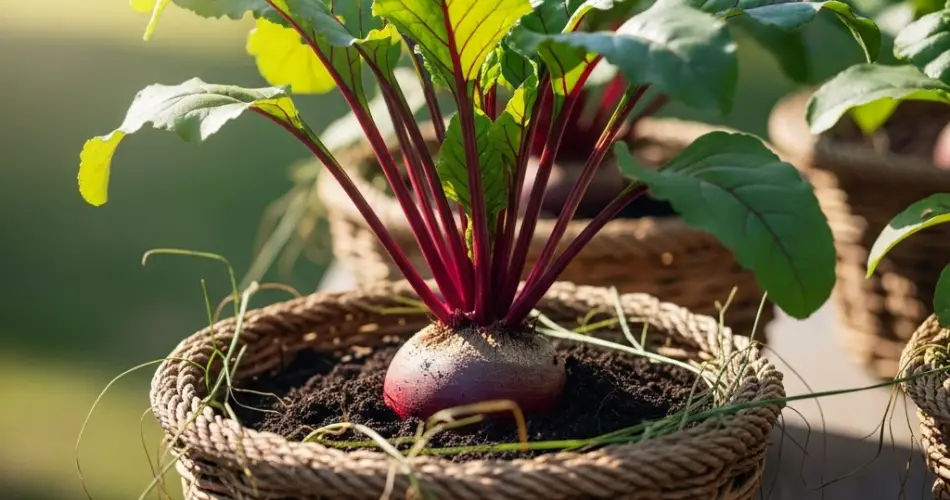
Beetroots are a versatile vegetable, loved for their earthy flavor, vibrant color, and impressive nutritional value. Not only do the roots provide a rich source of vitamins and minerals, but the leafy tops are also edible and packed with antioxidants. For gardeners with limited outdoor space, growing beetroots in baskets is a simple and effective way to enjoy fresh harvests right at home. With the right care techniques, you can cultivate healthy, flavorful beets in even the smallest spaces.
Why Grow Beetroots in Baskets?
Basket gardening offers unique advantages for growing root crops like beetroots. Woven or fabric baskets provide excellent aeration, ensuring that roots don’t become waterlogged or compacted. This breathable environment helps roots develop evenly, resulting in smooth, well-shaped beets.
Another benefit is mobility. Baskets are lightweight and portable, making it easy to move them for better sunlight, protection from heavy rains, or insulation during cooler months. Additionally, basket gardens add a rustic, decorative touch to patios, balconies, or small garden corners.
Choosing the Right Basket and Soil
Successful beetroot growth starts with selecting the correct basket and soil mix.
-
Basket size: Choose a container that is at least 12 inches deep and wide enough to allow multiple plants to grow without crowding.
-
Lining: If using a traditional wicker or bamboo basket, line it with burlap, coco coir, or a fabric grow liner. This keeps soil from spilling out while allowing drainage and airflow.
-
Soil requirements: Beetroots prefer light, loose, and well-draining soil. A blend of garden soil, compost, and sand or perlite works best. Heavy clay should be avoided, as it restricts root growth and causes misshapen beets.
Before planting, enrich the soil with organic compost or a slow-release fertilizer to support healthy root and leaf development.
Planting and Spacing
Beetroots are best started from seeds rather than transplants, as they establish more reliably.
-
Sowing depth: Plant seeds about ½ inch deep in evenly spaced rows.
-
Spacing: Each seed cluster produces multiple seedlings, so thinning is necessary. Keep plants around 3 inches apart to give roots space to grow.
-
Thinning: Once seedlings reach 2–3 inches tall, thin them by cutting weaker ones at the base instead of pulling them out. This prevents disturbance to neighboring roots.
Watering and Moisture Management
Consistent moisture is key for healthy, tender beets. Water the baskets regularly, keeping the soil evenly moist but never waterlogged. Inconsistent watering can lead to woody or cracked roots. Because baskets dry out faster than garden beds, you may need to water more frequently, especially during warm or windy days.
Mulching the soil surface with straw or shredded leaves helps retain moisture, regulates soil temperature, and reduces evaporation.
Sunlight and Temperature Needs
Beetroots thrive in cool to mild conditions, with optimal temperatures between 50°F and 75°F (10°C–24°C). They require at least 6 hours of sunlight daily. However, in very hot regions, place the baskets where they receive morning sun and light afternoon shade to avoid stress.
During colder months, woven baskets can be wrapped with insulating fabric or placed in sheltered spots to protect against frost.
Fertilization and Nutrition
Beetroots are moderate feeders but benefit from consistent nutrients. Apply a balanced fertilizer every 3–4 weeks or use compost tea as a natural booster.
-
Avoid too much nitrogen: Excess nitrogen promotes leafy growth at the expense of root development.
-
Focus on phosphorus and potassium: These nutrients support root expansion and improve the sweetness of the beets.
Common Problems and Solutions
Like all crops, beetroots can face challenges. Here are some quick solutions:
-
Yellowing leaves: This often indicates a nutrient deficiency. Add compost or a balanced fertilizer.
-
Misshapen roots: Usually caused by compacted soil or poor spacing. Use loose soil and ensure proper thinning.
-
Pests like aphids or leaf miners: These can damage the greens. Regularly inspect plants and use natural sprays like neem oil if necessary.
Harvesting Basket-Grown Beetroots
Beetroots are ready for harvest in 50–70 days, depending on the variety. Harvesting can be done at different stages:
-
Baby beets: Harvest when roots are 1–2 inches in diameter for a tender, sweet flavor.
-
Mature beets: Wait until they reach about 3 inches across for a fuller flavor.
Gently loosen the soil and pull up the plants by their tops. Don’t forget to use the greens as well — they make excellent additions to salads, stir-fries, and smoothies.
Succession Planting for Continuous Harvests
To enjoy a steady supply, practice succession planting. Sow new seeds every 3–4 weeks in the same basket or additional containers. This ensures a continuous harvest throughout the season, with fresh beets always on hand.
Interplanting with quick-growing greens like lettuce or radishes can also maximize your basket space. These crops mature faster and can be harvested before the beets need full room to expand.
Conclusion
Basket gardening makes beetroot cultivation both simple and rewarding, even in compact living spaces. With breathable containers, rich soil, consistent watering, and proper spacing, you can grow vibrant, flavorful beets right on your balcony or patio. Their dual yield of roots and greens makes them one of the most efficient crops for small-scale gardening.
By following these care tips, your basket-grown beetroots will thrive, providing you with a fresh and colorful harvest that’s as beautiful as it is delicious.


