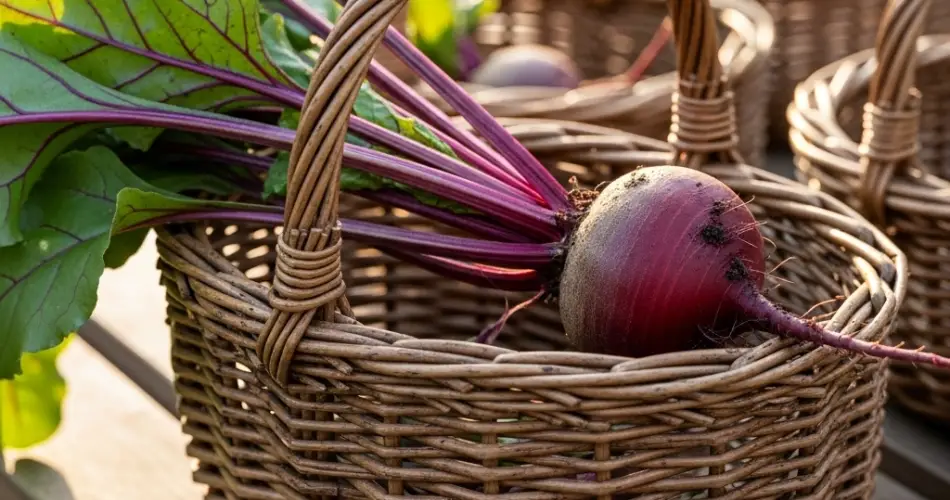
Beetroots are one of the most rewarding vegetables to grow at home. Not only do they produce vibrant, nutrient-rich roots, but they also offer edible leafy greens that can brighten up your meals. Traditionally grown in garden beds, beets can also thrive in containers—including hanging pots—making them an ideal choice for those with limited space. By using hanging pots, you can transform balconies, patios, or even small courtyards into productive mini-gardens while enjoying the unique charm of dangling greenery and colorful harvests.
This guide explores everything you need to know about successfully cultivating beetroots in hanging pots, from container selection to care, maintenance, and harvest.
Why Grow Beetroots in Hanging Pots?
Beetroots are versatile crops that adapt well to container gardening, and hanging pots provide specific benefits:
-
Space saving: Perfect for balconies or apartments with no garden beds.
-
Portability: Pots can be moved to catch sunlight or shield plants from harsh weather.
-
Decorative value: The trailing leaves spilling from pots create a beautiful natural display.
-
Drainage control: Hanging pots allow for good water management, reducing the risk of root rot.
Growing beets this way blends functionality with aesthetic appeal, giving you both food and decoration in one container.
Step 1: Choosing the Right Hanging Pot
Not all pots are suitable for root vegetables, so select carefully.
-
Depth and width: Choose a pot at least 10–12 inches deep and wide enough to accommodate multiple plants without overcrowding.
-
Material: Sturdy pots made of plastic, metal, or wood are ideal. Ensure they can bear the weight of soil and water when suspended.
-
Drainage holes: Proper drainage is essential to prevent soggy soil, which damages beet roots.
-
Lining (optional): Use coconut coir or a breathable liner to retain soil while still allowing drainage.
Step 2: Preparing the Soil
Soil quality determines how well beetroots grow in containers. Since roots are the primary harvest, the soil must be light and nutrient-rich.
-
Texture: Use a loose, well-draining mix to prevent compaction. A blend of garden soil, compost, and perlite works well.
-
Nutrients: Incorporate organic compost or worm castings to supply potassium and phosphorus, which promote strong root growth.
-
pH level: Beetroots prefer slightly acidic to neutral soil, with a pH of 6.0–7.5.
Fill the pot nearly to the rim, leaving an inch of space to prevent overflow when watering.
Step 3: Planting Beetroots
Beetroots grow best from direct seeding, as transplanting can disturb their roots.
-
Sowing depth: Plant seeds about ½ inch deep.
-
Spacing: Place seeds 2 inches apart to allow enough room for roots to expand.
-
Thinning: Since beet seeds are clusters, you may get multiple seedlings per spot. Once they reach 3–4 inches tall, thin them to one plant every 3–4 inches. The thinned greens can be eaten fresh in salads.
-
Watering: Gently moisten the soil after planting to encourage germination.
Step 4: Caring for Hanging Pot Beets
Once established, beetroots require consistent but simple care.
-
Sunlight: Position the pot where it receives 6–8 hours of sunlight daily. Bright light ensures proper root development.
-
Watering: Keep the soil evenly moist, but avoid waterlogging. Hanging pots dry out faster than ground beds, so check moisture regularly.
-
Fertilization: Every 3–4 weeks, feed with a balanced liquid fertilizer or compost tea to encourage healthy leaves and roots.
-
Air circulation: Hanging pots allow for good airflow, which reduces disease risk, but monitor for pests such as aphids or leaf miners.
Step 5: Harvesting Your Beets
Beetroots are ready to harvest when they reach about 1.5–3 inches in diameter. This typically takes 7–10 weeks, depending on the variety and growing conditions.
-
Roots: Gently pull the plant from the soil when the tops of the roots are visible above the surface. Smaller roots are sweeter and more tender.
-
Greens: Harvest outer leaves throughout the growing period without damaging the central crown. Beet greens are packed with vitamins and can be sautéed, steamed, or eaten raw.
By staggering your sowing every two to three weeks, you can enjoy a steady supply of fresh beetroots and greens all season long.
Troubleshooting Common Problems
Even with attentive care, beets grown in hanging pots may face a few challenges:
-
Crowding: Overcrowded plants lead to small or misshapen roots. Proper thinning is essential.
-
Drying out: Hanging pots lose moisture quickly. Increase watering frequency during hot weather.
-
Nutrient deficiency: Yellowing leaves may signal a lack of nutrients. Apply an organic fertilizer rich in nitrogen for leafy growth and potassium for roots.
-
Pests: Watch for common pests like aphids. Natural remedies such as neem oil or insecticidal soap can help.
Conclusion
Growing beetroots in hanging pots is both practical and visually pleasing. With the right pot, soil, and consistent care, you can harvest colorful, nutritious beets directly from your balcony or patio. This method makes it possible to enjoy homegrown food even without traditional garden space, while also creating a unique and lively green display.
Whether you are a beginner or an experienced gardener, beetroots in hanging pots prove that small spaces can yield big rewards. The combination of beauty and productivity makes this approach a satisfying way to enjoy fresh, healthy harvests at home.


