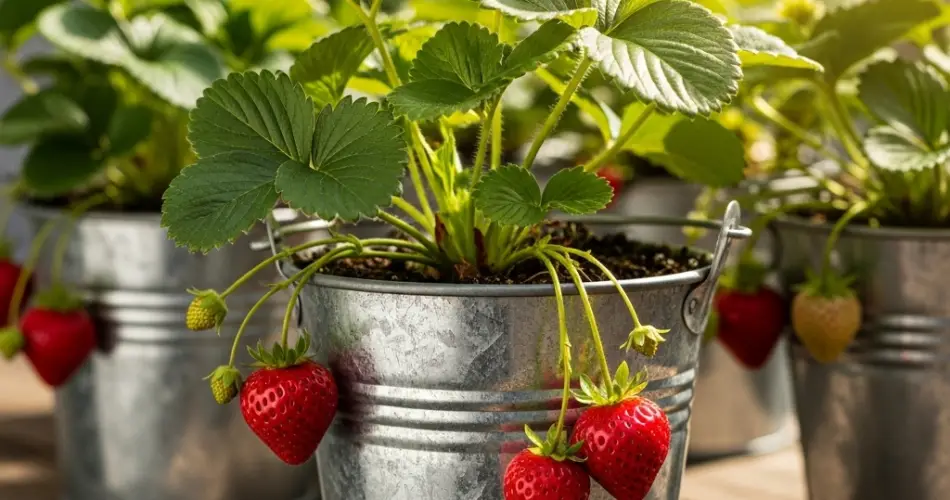
Strawberries are one of the most rewarding fruits to grow at home. Sweet, juicy, and packed with vitamins, these little red gems are a favorite for desserts, smoothies, or simply eaten fresh. While many people assume that strawberries require a sprawling garden bed, the truth is they thrive just as well in compact spaces. With the right setup, even urban gardeners with a balcony, patio, or rooftop can enjoy a steady harvest of fresh strawberries. This guide explores how to grow strawberries successfully in limited spaces.
Why Strawberries Are Perfect for Small Spaces
Strawberries are naturally well-suited to compact gardening. Their shallow root systems allow them to flourish in containers, hanging baskets, or vertical planters. Unlike fruit trees or larger crops, strawberries don’t need a large area to produce a satisfying harvest. Instead, they reward careful attention and smart use of available space.
Benefits of growing strawberries in limited spaces include:
-
Fresh supply at home: No need to buy store-bought berries when you can harvest them fresh.
-
Aesthetic appeal: Hanging baskets and vertical towers filled with strawberry plants double as decorative greenery.
-
Pest control: Container-grown strawberries are easier to protect from soil-borne diseases and ground pests.
-
Flexibility: Move containers to follow the sun or bring them indoors during harsh weather.
Choosing the Right Variety
Not all strawberry varieties are the same, and choosing the right type makes a big difference in small-space gardening.
-
June-bearing strawberries: Produce one large harvest in late spring or early summer. Great if you want a big batch for freezing or preserving.
-
Ever-bearing strawberries: Provide two to three smaller harvests during the growing season. Perfect for continuous picking.
-
Day-neutral strawberries: Yield fruit steadily throughout the season, making them ideal for container gardeners who prefer regular fresh berries.
Day-neutral and ever-bearing types are the best choices for limited spaces because they offer a longer fruiting period and make the most of your effort.
Containers and Growing Setups
Strawberries grow well in many container options, depending on your available space and style preference:
-
Pots and buckets: A simple plastic or clay pot, at least 8–10 inches deep, works well for a few plants.
-
Hanging baskets: Ideal for balconies, allowing plants to cascade and fruit without taking up floor space.
-
Vertical planters: Tower gardens or stacked containers maximize vertical space, letting you grow dozens of plants in a small footprint.
-
Window boxes: A charming option that works especially well for day-neutral varieties.
Ensure whichever container you choose has drainage holes to prevent root rot.
Soil and Planting
Strawberries need well-draining, fertile soil to thrive. A good mix includes:
-
1 part high-quality potting soil
-
1 part compost or organic matter
-
1 part perlite or coco coir for drainage and aeration
Strawberries prefer slightly acidic soil with a pH of 5.5–6.5.
Plant each strawberry crown so that the roots are fully covered but the central crown (the leafy growing point) is just above the soil surface. Overburying the crown can cause rot, while planting it too high can dry out the roots. Space plants about 8–10 inches apart if your container allows.
Watering and Fertilizing
Consistent watering is crucial for strawberries in containers, as the soil dries out quickly in small spaces. Water when the top inch of soil feels dry, keeping the soil evenly moist but not waterlogged. Hanging baskets and vertical planters may need more frequent watering, especially in hot weather.
Fertilize every 3–4 weeks with a balanced liquid fertilizer or a product formulated for fruiting plants. Organic options like fish emulsion or compost tea provide gentle, steady nutrients without overwhelming the plants.
Sunlight Requirements
Strawberries need at least 6–8 hours of direct sunlight per day to produce sweet, flavorful fruit. In urban settings, place your containers on a balcony, rooftop, or sunny windowsill. If natural sunlight is limited, supplemental grow lights can keep your plants productive.
Pest and Disease Control
Container strawberries are less prone to ground pests, but they can still attract aphids, slugs, and spider mites. Regularly check leaves for signs of damage, and use organic solutions like neem oil or insecticidal soap when necessary.
Fungal diseases, such as powdery mildew, can occur in humid conditions. Ensure good air circulation around your plants and avoid overhead watering to reduce the risk.
Harvesting Strawberries
Strawberries are ready to pick when they are fully red and slightly soft to the touch. Harvest every few days during the fruiting season to encourage more production. Gently twist the berry from the stem instead of pulling to avoid damaging the plant.
Freshly picked strawberries are best eaten immediately, but they can also be stored in the refrigerator for 2–3 days. For longer storage, freeze or preserve them as jam.
Conclusion
Strawberries are one of the most rewarding crops for urban gardeners. With their shallow roots, compact growth, and long fruiting season, they are ideal for limited spaces. Whether you choose hanging baskets, vertical planters, or simple pots, these adaptable plants bring both beauty and sweetness to your home. By selecting the right variety, providing well-draining soil, consistent care, and plenty of sunlight, you can enjoy a steady supply of delicious strawberries no matter how small your space.


