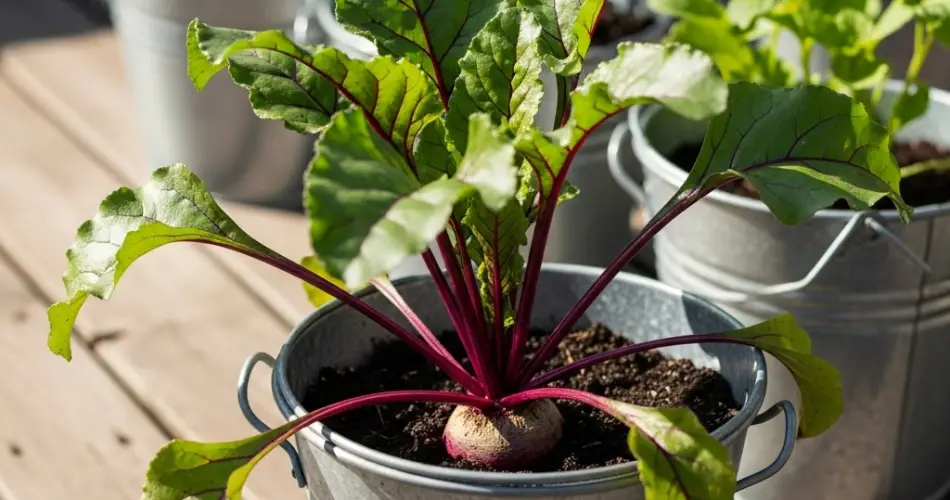
Beetroots—vibrant, earthy, and packed with nutrition—are one of the most satisfying root vegetables to grow at home. The good news? You don’t need a sprawling backyard to cultivate them. With a few basic supplies and a little attention, you can grow delicious beetroots in buckets right on your balcony, patio, or windowsill garden.
Growing beets in containers is a rewarding experience that gives you access to both tasty roots and nutrient-rich greens. Let’s explore how to grow beetroots from seed to harvest in buckets—even in the smallest of spaces.
Why Grow Beets in Buckets?
Beets are compact, fast-growing, and relatively low-maintenance, making them an ideal choice for container gardening. Here are a few advantages to growing beets in buckets:
-
Space-saving: Buckets fit easily on balconies, porches, or windowsills.
-
Soil control: You can optimize soil quality and drainage to suit beets’ needs.
-
Mobility: Move your buckets to catch more sunlight or avoid harsh weather.
-
Fresh supply: You can harvest both the beetroot and the edible leafy greens.
Whether you’re an experienced gardener or just starting out, growing beets in buckets is an easy and productive way to enjoy fresh, homegrown food.
Choosing the Right Beetroot Varieties
Many beetroot varieties grow well in containers. Here are a few options well-suited for bucket gardening:
-
‘Detroit Dark Red’ – A classic variety with deep red roots and tender greens.
-
‘Chioggia’ – Known for its striking pink and white rings; mild and sweet.
-
‘Golden’ – Produces golden-yellow roots with a less earthy flavor.
-
‘Babybeat’ – A compact variety perfect for small containers and quick harvests.
Choose a variety that fits your taste preference and desired harvest timeline.
Best Buckets for Growing Beets
Beets have shallow roots but need room to form round, healthy bulbs.
Ideal container size:
-
Depth: At least 10–12 inches deep
-
Width: 12 inches or more (wider buckets allow more plants)
Use clean plastic, metal, or ceramic buckets with drainage holes at the bottom to prevent root rot. Avoid overly small containers, as crowding can lead to poor root development.
Preparing the Perfect Soil
Beetroots thrive in loose, fertile, and well-draining soil. They’re sensitive to compacted soil and will struggle to form roots in dense or poor-quality mixes.
Ideal soil mix:
-
60% high-quality potting mix
-
30% compost (for nutrients)
-
10% perlite or sand (for improved drainage)
Ensure the soil pH is slightly acidic to neutral (6.0 to 7.0). Avoid adding too much nitrogen—this encourages leaf growth at the expense of root development.
Sowing Beetroot Seeds
Beet seeds are actually seed clusters, meaning each “seed” may sprout 2–3 seedlings.
Step-by-step planting:
-
Fill your bucket with prepared soil, leaving about an inch of space at the top.
-
Moisten the soil lightly before sowing.
-
Plant seeds about ½ inch deep and 2–3 inches apart.
-
Cover gently with soil and water softly.
After seedlings emerge (7–14 days), thin them to allow 3–4 inches between plants. Don’t discard the thinnings—they’re delicious in salads!
Caring for Beets in Buckets
Sunlight
Beets need at least 6 hours of direct sunlight daily. A south-facing balcony or patio is ideal. In cooler climates, full sun helps the roots develop faster.
Watering
Keep the soil consistently moist but not soggy. Beets prefer even moisture—too much water can lead to splitting, while too little can result in tough roots. Water when the top inch of soil feels dry.
Fertilizing
Use a low-nitrogen, balanced fertilizer once or twice during the growing season. A fertilizer higher in phosphorus and potassium will encourage root formation.
Mulching (optional)
A light layer of mulch helps retain moisture and regulate temperature, especially during hot spells.
Common Problems and Solutions
-
Crowded roots: Thin seedlings early to give roots room to expand.
-
Yellowing leaves: Often caused by poor drainage or nutrient deficiencies.
-
Pests: Watch for aphids and leaf miners; use insecticidal soap or neem oil if needed.
Rotate containers seasonally and refresh soil between plantings to avoid disease buildup.
Harvesting Your Beets
Beets are usually ready to harvest 50–70 days after planting, depending on the variety. You’ll know they’re ready when the shoulders of the beetroot begin to push up through the soil surface.
-
For baby beets, harvest when roots are about 1–2 inches in diameter.
-
For full-size beets, wait until roots reach 2–3 inches.
To harvest, gently pull the beet from the soil. Use garden gloves if needed to loosen the surrounding soil.
Don’t forget the greens! Beet leaves are edible and can be sautéed, steamed, or added to salads.
Regrowing from Scraps (Bonus Tip)
You can regrow beet greens from kitchen scraps! Cut off the top inch of the beetroot (with the greens removed), place it in shallow water on a sunny windowsill, and watch it sprout new leaves. Great for salads or smoothies!
Final Thoughts
From seed to harvest, beetroots are a rewarding crop for bucket gardeners. With the right soil, proper care, and a bit of patience, you can enjoy sweet, tender beets and nutritious greens grown in your own compact space. Whether you’re gardening on a balcony, porch, or rooftop, buckets full of beets are a simple, beautiful, and delicious way to grow your own food at home.


