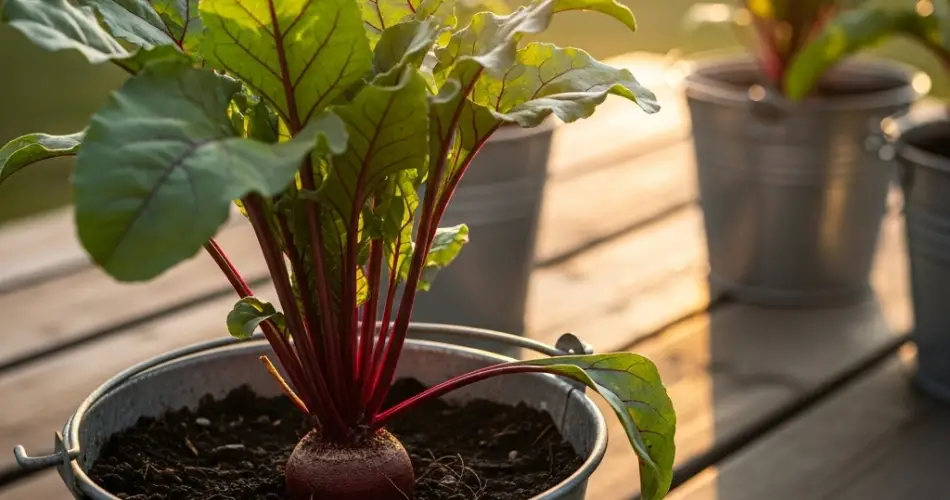
Beetroot, with its vibrant color, earthy sweetness, and impressive nutritional profile, is a favorite among home gardeners. This versatile vegetable can be roasted, juiced, pickled, or eaten raw in salads, making it a worthwhile addition to any kitchen garden. For gardeners with limited space, beetroot can be successfully grown in buckets, offering a simple yet productive way to harvest fresh, homegrown roots right from your balcony, patio, or small backyard. This beginner’s guide will walk you through everything you need to know about planting, caring for, and harvesting beetroot in buckets.
Why Grow Beetroot in Buckets?
Beetroot adapts very well to container gardening because it doesn’t require sprawling space and thrives in confined conditions when given proper soil and care. Here are some key benefits of growing beetroot in buckets:
-
Space efficiency: Perfect for apartments, balconies, or small gardens.
-
Control over soil quality: Buckets allow you to create the perfect growing medium without worrying about poor garden soil.
-
Portability: Buckets can be moved to ensure beets receive the right amount of sunlight.
-
Pest and weed management: Growing in containers reduces the risk of soil-borne diseases and unwanted weeds.
With these advantages, even novice gardeners can enjoy a healthy harvest of homegrown beetroot.
Choosing the Right Bucket
Beetroot grows underground, so the size and depth of your bucket are crucial. A container at least 10–12 inches deep and 12 inches wide works best. This gives the roots enough space to expand without becoming crowded. Plastic buckets are inexpensive, durable, and widely available, making them an excellent choice.
Before planting, ensure the bucket has adequate drainage holes at the bottom. Good drainage prevents waterlogging, which can cause root rot and stunted growth.
Preparing the Soil
Beetroot thrives in loose, well-draining soil rich in organic matter. A compact or clay-heavy mix can restrict root development and lead to misshapen beets. An ideal soil blend includes:
-
1 part garden soil
-
1 part compost or well-rotted manure
-
1 part perlite, vermiculite, or coarse sand for aeration
The soil should be slightly acidic to neutral, with a pH between 6.0 and 7.0. Mixing in compost provides essential nutrients and helps keep the soil light and crumbly, perfect for root crops.
Planting Beetroot
Beetroot is best grown from seeds, as transplanting seedlings often disturbs root development. Each beet seed is actually a cluster containing several seeds, so thinning will be necessary after germination.
-
Fill the bucket with prepared soil, leaving about two inches from the rim.
-
Sow seeds about ½ inch deep and 2 inches apart in rows or a circular pattern.
-
Lightly cover with soil and water gently.
Seeds typically germinate within 7–14 days. Once seedlings are 2–3 inches tall, thin them out, leaving about 3–4 inches of space between plants. The thinned seedlings can be eaten as microgreens or baby beet leaves, which are highly nutritious.
Watering and Care
Beetroot requires consistent moisture for healthy root development. Water the bucket whenever the top inch of soil feels dry, ensuring even watering to avoid woody or cracked roots. Buckets tend to dry out faster than ground soil, so monitor moisture closely, especially in warm weather.
Mulching with shredded leaves, straw, or coco husk helps retain soil moisture and keeps temperatures stable.
Fertilize beetroot lightly every 3–4 weeks with a balanced liquid fertilizer. Avoid excessive nitrogen, as it promotes leafy growth at the expense of root development.
Sunlight Needs
Beetroot prefers full sun, ideally 6–8 hours daily. However, it can tolerate partial shade, especially in hotter climates where too much direct sun may stress the plants. Placing your bucket in a bright, sunny spot ensures the roots develop well and the leaves stay healthy.
Common Pests and Problems
Beetroot is generally low-maintenance but can attract pests such as aphids, leaf miners, and flea beetles. Regularly inspect the leaves and use natural remedies like neem oil or insecticidal soap if necessary. Good airflow around the bucket helps prevent fungal issues.
Uneven watering is the most common problem in container-grown beets, leading to cracked or woody roots. Maintaining consistent moisture is key.
Harvesting Beetroot
Beetroot is ready to harvest 8–10 weeks after planting, depending on the variety. Most roots are best harvested when they are about the size of a golf ball to a tennis ball. Larger beets can become tough and woody.
To harvest, gently loosen the soil and pull the beetroot by its leafy tops. Don’t discard the greens—they are edible and highly nutritious, perfect for sautéing or adding to soups and salads.
Storing Your Harvest
Freshly harvested beetroot can be stored in the refrigerator for up to two weeks. For longer storage, remove the greens (leaving about an inch of stem attached to prevent bleeding) and store the roots in a cool, dark place or in damp sand to extend their shelf life. Beetroot can also be pickled or frozen after cooking.
Conclusion
Beetroot bucket planting is a simple, rewarding way to grow a nutritious crop in limited space. With the right soil, consistent watering, and proper care, you can enjoy tender, flavorful roots and leafy greens throughout the growing season. For beginners, this is one of the most forgiving root vegetables to start with, proving that fresh, homegrown produce is possible even in the smallest of spaces.


