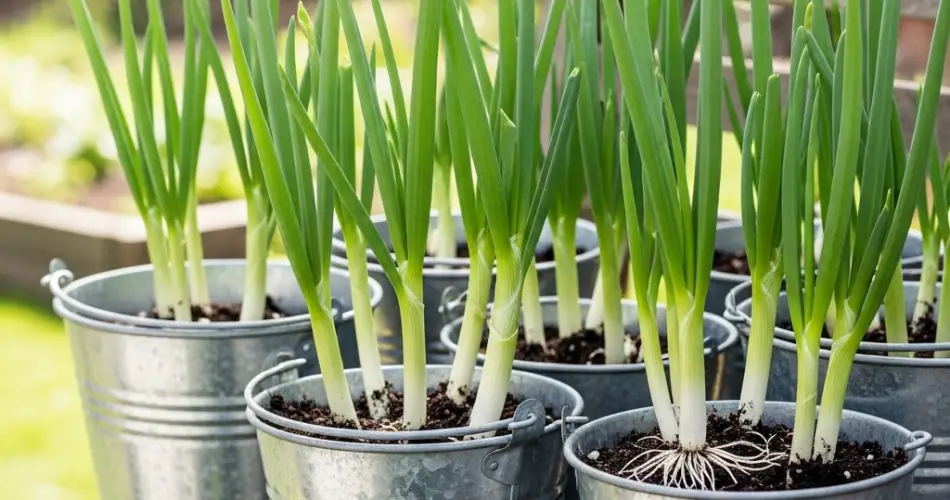
If you love cooking with fresh herbs and vegetables, scallions—also known as green onions or spring onions—are a must-have in your kitchen garden. These flavorful, fast-growing alliums are incredibly easy to grow, and best of all, they thrive in small spaces. Even with just a sunny balcony, you can enjoy a steady supply of crisp, fragrant scallions right from pots.
Whether you’re a beginner or an experienced urban gardener, growing scallions in pots is a low-maintenance and rewarding way to add fresh flavor to your meals. Here’s everything you need to know to cultivate your own balcony-friendly scallion harvests.
Why Grow Scallions in Pots?
There are several reasons why scallions are ideal for pot gardening:
-
Compact Size: Scallions don’t need deep soil or wide spacing, making them perfect for containers of any size.
-
Quick Harvest: Many varieties are ready to harvest in just 30 to 60 days.
-
Cut-and-Come-Again: You can trim what you need and let the rest keep growing.
-
Minimal Maintenance: Scallions are low-maintenance and generally pest-resistant.
-
Great for Beginners: They’re one of the easiest vegetables to grow in containers.
Because scallions are so forgiving and space-efficient, they’re an excellent choice for apartment dwellers or anyone looking to grow food on a balcony or small patio.
Best Varieties for Pots
While most scallions grow well in containers, here are a few varieties particularly suited for small spaces:
-
‘White Lisbon’ – A classic scallion variety with a mild flavor and quick growth.
-
‘Evergreen Hardy White’ – Perfect for year-round growing in pots; cold-tolerant and productive.
-
‘Ishikura’ – A Japanese bunching onion that produces long, slender stems and no bulbs.
Choose a variety that suits your climate and taste preferences. All of these can be grown from seed or from sets (immature bulbs), depending on availability.
Choosing the Right Pot
Scallions don’t have deep roots, so you don’t need large containers. However, the width of the pot matters more than the depth.
Ideal pot size:
-
Depth: At least 6 inches
-
Width: 10–12 inches or more for multiple plants
You can use plastic pots, ceramic containers, window boxes, or even recycled containers—just make sure they have adequate drainage holes to prevent water from accumulating at the bottom.
Soil Requirements
Scallions prefer well-draining, loose soil that retains some moisture without becoming soggy. For best results, use a high-quality potting mix enriched with compost.
Recommended mix:
-
60% potting soil
-
30% compost or worm castings
-
10% perlite or coarse sand (for drainage)
Keep the pH between 6.0 and 7.0. Avoid using garden soil in pots, as it can become compacted and reduce air flow to the roots.
How to Plant Scallions in Pots
1. Sowing Seeds:
-
Sow seeds ¼ inch deep and 1 inch apart.
-
Lightly cover with soil and water gently.
-
Keep the soil consistently moist until germination (usually 7–14 days).
2. Transplanting Sets or Store-Bought Scallions:
-
Plant immature bulbs or the white base of store-bought scallions about 1 inch deep.
-
Space them about 1–2 inches apart for dense planting.
You can plant scallions quite close together, especially if you’re harvesting them young.
Care and Maintenance
Sunlight:
Scallions need at least 6 hours of sunlight per day. A south- or west-facing balcony is ideal. In hotter climates, some light afternoon shade can help prevent wilting.
Watering:
Keep the soil evenly moist but not waterlogged. Water when the top inch of soil feels dry. Potted plants dry out more quickly than those in the ground, especially on sunny balconies.
Fertilizing:
Scallions are light feeders, but they benefit from a monthly application of a balanced liquid fertilizer or fish emulsion, especially if you’re harvesting frequently.
Harvesting Your Scallions
You can begin harvesting scallions once they reach about 6–8 inches tall, usually within 4–6 weeks of planting.
-
For full harvest, pull the entire plant from the soil.
-
For continuous harvest, snip the green tops and leave the lower stem and roots intact. The plant will regrow within a couple of weeks.
Harvest frequently to encourage new growth and keep your supply going.
Regrowing from Kitchen Scraps
You can regrow scallions from store-bought scraps! Just place the white root ends in a cup of water on a windowsill. Change the water every couple of days, and in about a week, you’ll see new green shoots. Once the roots grow longer, you can transplant them into pots for continued harvest.
Pests and Problems
Scallions are generally pest-resistant, but keep an eye out for:
-
Aphids: Spray with soapy water or neem oil.
-
Fungal issues: Avoid overwatering and ensure proper drainage and airflow.
Crowding can lead to poor air circulation, so thin out plants if necessary.
Final Thoughts
Scallions are a perfect addition to any balcony garden. They’re quick to grow, space-efficient, and versatile in the kitchen. Whether you’re topping off a soup, adding crunch to a salad, or spicing up a stir-fry, fresh homegrown scallions add unbeatable flavor.
With just a few pots, some soil, and regular care, you can enjoy fresh scallions all year round—no backyard needed. It’s one of the simplest, most rewarding ways to start your edible container garden.


