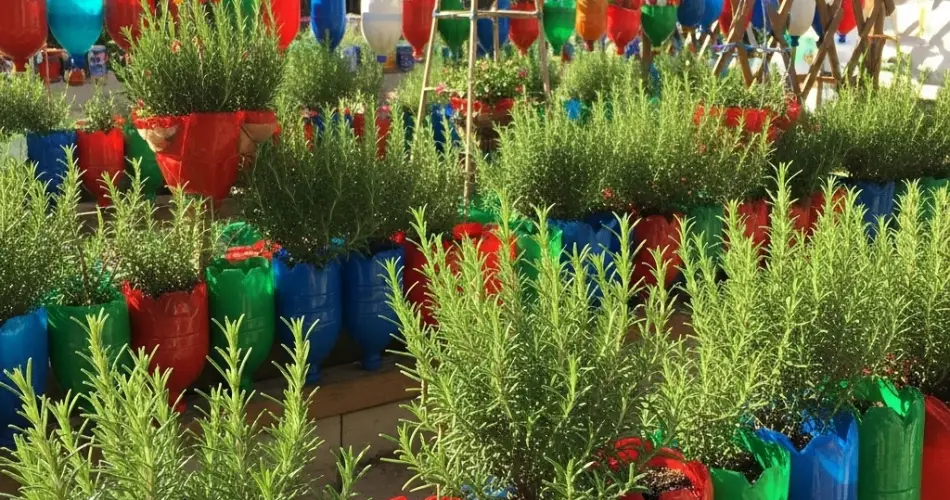
If you’re looking for a creative, sustainable, and space-saving way to grow herbs at home, consider starting a rosemary garden using upcycled plastic bottles. Rosemary, a fragrant and resilient Mediterranean herb, thrives in containers and doesn’t need constant watering or attention—making it an ideal candidate for this kind of DIY project.
Upcycling plastic bottles not only helps reduce waste but also transforms common household trash into a useful and decorative indoor or balcony garden. Whether you’re new to gardening or simply want to add more greenery to your home, growing rosemary in bottles is a practical and rewarding endeavor.
Why Grow Rosemary in Plastic Bottles?
Plastic bottles are lightweight, easy to work with, and widely available. By turning them into mini herb gardens, you save money, reduce plastic waste, and make the most of limited space. Rosemary is a woody herb with deep roots, but it adapts well to bottle containers when they’re properly prepared. Plus, its strong aroma repels pests, adds flavor to your cooking, and brings a calming presence to your home.
Bottle gardens are also portable, allowing you to move your plants indoors or outdoors depending on the season and light conditions.
What You’ll Need
To get started, you only need a few basic supplies:
-
One or more 1.5–2-liter plastic bottles
-
Scissors or a sharp cutter
-
A nail or heated needle (for drainage holes)
-
Well-draining potting mix (with sand or perlite)
-
Small pebbles or charcoal (optional, for drainage)
-
Rosemary seeds or cuttings
-
String or twine (for hanging, if desired)
-
A sunny spot such as a windowsill, balcony, or patio
Preparing the Bottle Planters
-
Clean the Bottle:
Rinse the bottle thoroughly to remove any residue. Remove the label for a cleaner appearance and to allow more light in if using a transparent bottle. -
Cut the Bottle:
Slice the bottle horizontally about one-third from the top. The bottom portion will serve as the main planter. You can use the top half as a humidity dome or discard it. -
Create Drainage Holes:
Use a nail or heated needle to poke several small holes in the bottom for drainage. This prevents water from accumulating and causing root rot. -
Add a Drainage Layer:
Place a thin layer of small pebbles or crushed charcoal at the base of the planter. This helps prevent the soil from compacting and keeps water moving through the soil efficiently. -
Add Potting Mix:
Fill the bottle with a well-draining soil mix. Rosemary prefers a sandy, dry soil similar to its natural habitat. You can mix standard potting soil with sand or perlite in a 2:1 ratio to improve drainage.
Planting Rosemary
You can grow rosemary from seeds, but it takes longer and can be unpredictable. Using cuttings from an existing plant is often faster and more reliable.
From Seeds:
-
Sprinkle rosemary seeds on the soil surface.
-
Lightly press them in and cover with a thin layer of soil.
-
Mist gently with water.
-
Place in a warm, sunny spot.
-
Germination may take 2–3 weeks.
From Cuttings:
-
Take a 4–6 inch cutting from a healthy rosemary plant.
-
Strip the leaves from the bottom two inches of the stem.
-
Dip the cut end in water or rooting hormone (optional).
-
Plant directly into the soil, firming the soil around the stem.
-
Water gently and place in indirect sunlight until roots form (usually in 2–3 weeks).
Care Tips for Bottle-Grown Rosemary
-
Sunlight:
Rosemary needs at least 6 hours of direct sunlight each day. Place your bottle planter on a bright windowsill, balcony, or outdoor table. -
Watering:
Rosemary prefers dry conditions. Water only when the top inch of soil feels dry. Avoid overwatering, especially in humid environments. -
Air Circulation:
Good airflow helps prevent fungal diseases. Don’t crowd your planters, and open windows if growing indoors. -
Feeding:
Rosemary doesn’t need heavy feeding. Apply a diluted organic fertilizer once every 6–8 weeks during the growing season. -
Pruning:
Trim the plant regularly to encourage bushy growth. Avoid letting it flower if you’re focusing on leaf production.
Harvesting Rosemary
Begin harvesting once the plant is well-established and has several inches of new growth. Use scissors or your fingers to snip sprigs just above a leaf node. Always leave some green growth behind to help the plant recover.
Fresh rosemary can be used immediately in cooking or dried for later use. To dry, hang sprigs upside down in a well-ventilated space and store them in airtight jars once fully dried.
Final Thoughts
Turning used plastic bottles into rosemary planters is a simple and eco-friendly way to grow your own herbs at home. It requires minimal space, effort, and investment while offering long-term rewards in the form of fresh, fragrant leaves for your kitchen and a greener environment.
Whether placed on a balcony, hung near a sunny window, or lined up on a windowsill, these upcycled bottle gardens add beauty, functionality, and sustainability to your daily life. Give it a try and enjoy the benefits of homegrown rosemary—right from your recycled planter.


