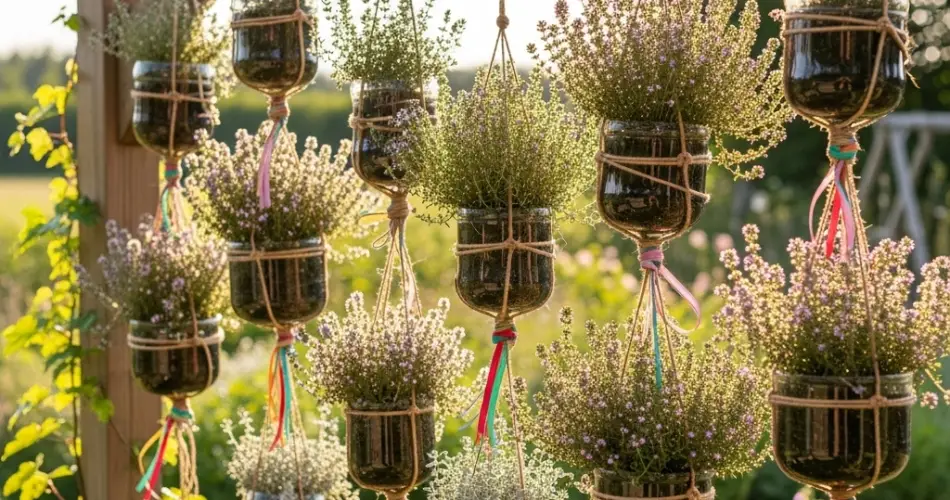
Growing your own herbs doesn’t require a yard or even much space. With a little creativity and some recycled materials, you can build a compact, hanging thyme garden using plastic bottles. This method is ideal for balconies, kitchen windows, or fences—turning unused vertical space into a productive and fragrant herb garden.
Thyme is a hardy Mediterranean herb that adapts well to containers, making it perfect for this DIY setup. It needs little maintenance, thrives in well-draining soil, and loves sunlight. By using hanging bottles, you not only conserve space but also give this aromatic herb the airflow and drainage it needs to flourish.
Why Use Hanging Bottles for Thyme?
Plastic bottles are lightweight, easy to modify, and readily available in most homes. Hanging them saves counter or shelf space and creates a visually appealing display of greenery. Thyme’s shallow roots make it a great candidate for these compact planters, and when placed in sunny spots, it rewards you with fragrant, flavorful leaves that are excellent for cooking or tea.
This project also promotes upcycling, helping reduce plastic waste while encouraging sustainable gardening.
Materials You’ll Need:
-
1.5- or 2-liter clear plastic bottles
-
Thyme seeds or seedlings
-
Scissors or utility knife
-
Nail or heated skewer (to make holes)
-
Potting mix (well-draining, with sand or perlite)
-
String, twine, or wire for hanging
-
Small stones or gravel (optional, for drainage)
-
Watering can or spray bottle
-
Sunny space for hanging the bottles
Step 1: Prepare the Bottles
Start by washing and drying the plastic bottles. Using scissors or a utility knife, cut a wide rectangular window along one side of the bottle. This opening will serve as your planting area. Be sure to leave enough plastic around the edges to hold the soil securely.
Next, poke 3–4 small drainage holes in the bottom of the bottle using a heated nail, screwdriver, or skewer. Drainage is crucial to prevent water from accumulating and causing root rot.
Near the top of the bottle, make two small holes on opposite sides. Thread string or twine through these holes and tie securely. This will allow you to hang the planter.
Step 2: Fill the Bottle with Soil
If you want to improve drainage further, add a layer of small pebbles or gravel at the bottom of the bottle before adding soil. Fill the bottle with a well-draining potting mix—ideally one that includes perlite, coarse sand, or coco coir. Thyme prefers light, slightly sandy soil that dries out between waterings.
Fill the bottle about two-thirds full, and gently press down to eliminate large air pockets without compacting the soil too much.
Step 3: Plant the Thyme
You can grow thyme from seeds, cuttings, or small seedlings.
If using seeds:
Sprinkle 4–5 thyme seeds evenly across the soil and cover lightly with a thin layer of soil. Mist the surface with water to moisten the seeds.
If using a cutting or seedling:
Make a small hole in the center of the soil and place the plant gently in it. Cover the roots and press the soil lightly around the base.
Water thoroughly after planting, but ensure excess water drains out.
Step 4: Hang the Bottle Planter
Choose a spot that receives at least 5–6 hours of sunlight each day. Thyme thrives in full sun, and hanging bottles should be positioned to allow adequate light and airflow. A sunny kitchen window, balcony railing, or outdoor wall are excellent choices.
Make sure the hanging system is sturdy enough to support the weight of the bottle when filled with soil and water.
Step 5: Maintain and Care for Your Thyme
Water thyme when the top inch of soil feels dry. Since plastic bottles can retain heat and dry out quickly in the sun, you may need to check them more frequently during warm weather. Use a watering can with a narrow spout or a spray bottle to avoid overwatering.
Thyme doesn’t require heavy feeding. Apply a diluted organic liquid fertilizer or compost tea once a month if needed. Over-fertilizing can weaken the flavor of the leaves.
Pinch off flower buds as they appear to keep the plant focused on growing leaves rather than flowering.
Step 6: Harvesting
Once your thyme plant reaches about 4–6 inches tall, you can begin harvesting. Snip a few sprigs just above a leaf node to encourage branching and fuller growth. Regular harvesting helps keep the plant compact and productive.
Thyme is best used fresh but can also be dried and stored for future use.
Creative Tips for Hanging Bottle Gardens
-
Decorate bottles with paint, twine, or labels for a personalized look.
-
Hang multiple bottles vertically along a fence or balcony for a vertical herb garden.
-
Combine thyme with other herbs like oregano, mint, or basil in neighboring bottles for variety.
Conclusion
Creating a compact thyme garden using hanging bottles is an effective and eco-friendly way to grow your own herbs at home. It’s a simple, budget-friendly project that transforms plastic waste into a productive green space. Whether you live in a small apartment or just want to add fresh flavor to your cooking, this hanging herb garden offers beauty, convenience, and sustainability—all in one bottle.


