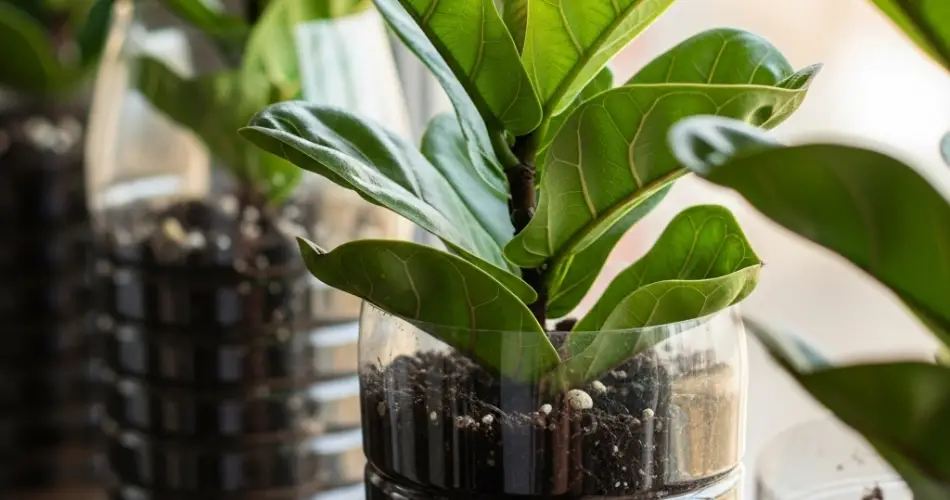
The fiddle leaf fig (Ficus lyrata) has become a favorite houseplant among interior design enthusiasts for its large, glossy leaves and bold presence. While it typically calls for spacious pots and bright corners, you can successfully grow young fiddle leaf figs in upcycled plastic bottles with just a bit of creativity and care. This eco-friendly approach gives plastic waste a second life and offers an affordable way to cultivate one of the most stunning indoor plants.
Whether you’re starting from a young plant or propagating a cutting, here’s how to grow a fiddle leaf fig in a recycled bottle container.
Why Use Plastic Bottles?
Plastic bottles are often discarded after a single use, but they’re durable, lightweight, and easy to transform into plant containers. With just a few cuts and adjustments, a standard 1.5-liter or 2-liter bottle can become a functional pot. Plus, clear bottles allow you to observe root growth and soil moisture—helpful for beginners learning to care for fiddle leaf figs.
Using recycled materials also promotes sustainable living. You can reduce household waste while still creating stylish and functional plant displays.
What You’ll Need
-
A 1.5L or 2L plastic bottle
-
Scissors or a sharp utility knife
-
A young fiddle leaf fig plant or rooted cutting
-
Well-draining potting mix
-
Decorative stones or gravel
-
Activated charcoal (optional)
-
A small trowel or spoon
-
Twine or fabric (for decorating, optional)
-
A pin or nail (for drainage holes)
Step-by-Step Guide
1. Prepare the Bottle
Wash the plastic bottle thoroughly and remove any labels or glue. Cut the bottle about one-third of the way down from the top. The bottom portion will serve as the planter.
Poke several small holes in the base using a hot needle, pin, or nail to allow for drainage. Good drainage is essential for fiddle leaf figs, which are prone to root rot if left in soggy soil.
You may also invert the top part of the bottle and fit it inside the bottom half to create a self-watering system, especially if you’re planning to be away from home for a few days at a time.
2. Create a Drainage Base
Add a 1–2 inch layer of small stones or gravel to the bottom of the container. This will prevent water from pooling at the roots. You can also sprinkle a thin layer of activated charcoal to help reduce odors and bacterial growth, especially if you’re keeping the plant indoors in a confined space.
3. Add the Potting Mix
Use a light, well-draining potting mix rich in peat, coco coir, and perlite. Avoid heavy soils that retain too much water. Fill the bottle about three-quarters full, depending on the size of your plant or cutting.
4. Plant Your Fiddle Leaf Fig
If using a young nursery plant, gently remove it from its original container. Loosen the roots slightly and place it into the new bottle planter. Fill in any gaps with more soil, pressing down gently to stabilize the plant.
If planting a rooted cutting, ensure the roots are at least a few inches long and healthy. Insert the cutting into the soil so that the roots are buried and the base of the stem is just above the soil line.
Water the plant lightly to help settle the soil.
Caring for Your Bottle-Grown Fiddle Leaf Fig
-
Light: Fiddle leaf figs thrive in bright, indirect light. Place your bottle container near a window with filtered sunlight. Rotate the container every few days to ensure even growth on all sides.
-
Watering: Check soil moisture before watering. Water only when the top 1–2 inches of soil feel dry. Since bottles retain moisture longer than clay or ceramic pots, err on the side of caution to avoid overwatering.
-
Humidity: These plants prefer moderate humidity. If your indoor air is dry, especially during colder months, consider misting the leaves or using a humidity tray nearby.
-
Cleaning: Wipe the leaves with a damp cloth occasionally to remove dust and help the plant breathe better.
-
Feeding: Feed with a diluted liquid houseplant fertilizer once a month during spring and summer. Avoid feeding during winter dormancy.
Style and Decor Tips
Bottle planters don’t have to look plain. Wrap the exterior with jute rope, paint it with acrylics, or cover it in fabric to match your room decor. You can even insert the bottle into a decorative outer container, like a basket or ceramic bowl, for a layered look.
Group several bottle planters of different heights together to create a chic indoor jungle vibe on a shelf or windowsill.
When to Repot
Fiddle leaf figs grow quickly in the right conditions. Once the plant becomes root-bound (you may notice roots pressing against the sides of the bottle), it’s time to upgrade to a larger container. Use this as an opportunity to continue your upcycling journey or transfer it to a traditional pot.
Final Thoughts
Growing a fiddle leaf fig in an upcycled plastic bottle is both sustainable and practical. With proper drainage, soil, and light, even a humble bottle can support the growth of this iconic houseplant. Not only are you saving money and reducing waste, but you’re also creating a one-of-a-kind indoor garden piece that reflects creativity and environmental awareness.
Upcycling doesn’t have to be complicated—just thoughtful. With a single bottle and a little care, you can enjoy the beauty of fiddle leaf figs in a unique and stylish way.


